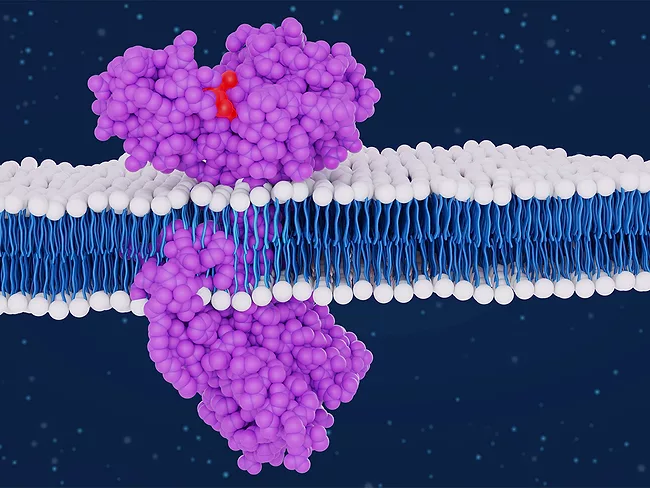
Modulating G protein-coupled receptors (GPCRs) is one of the major challenges in biomedicine. These are flexible proteins with small, deep binding pockets. The scientific community has explored small molecules, antibodies and nanobodies to develop ligands. Skape Bio Inc. is betting on creating miniproteins, a strategy that brings precise solutions for different functions.
Regulatory snapshots for biopharma and med tech, including global submissions and approvals, and other regulatory decisions and designations: Alvotech, Amneal, Attralus, Biogen, GE, Innovent, Iovance, Kashiv, Lupeng, Mammotome, Pharming, Quoin, Verastem, Xbrane, Zepto.
Biopharma and med-tech happenings, including deals and partnerships, and other news in brief: Cytodyn, Everest, Lonza, Mabworks, Massive, Mira, Miralogx, Mobil Saúde Comercial, Natera, Optellum, Stipple, Tempramed, Teva.
Clinical updates for biopharma and med tech, including data readouts and publications: ADC, AN2, Aurinia, Autobahn, Biogen, Fate, Fractyl, GH, Immutep, Innovent, Juncell, Kallyope, Novartis, Novartis, Spectral, Taiho, UCB, Vantive.

 RSS
RSS