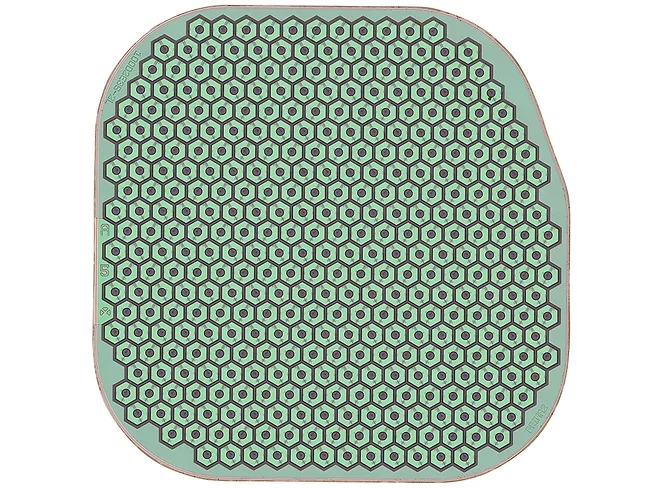
Science Corp. raised $230 million in an oversubscribed series C financing round to commercialize its Prima brain-computer interface (BCI) retinal implant and to advance other pipeline programs into the clinic. The investment brings the company’s total funding, since founding in 2021, to approximately $490 million and shows investors growing appetite for BCI technologies.
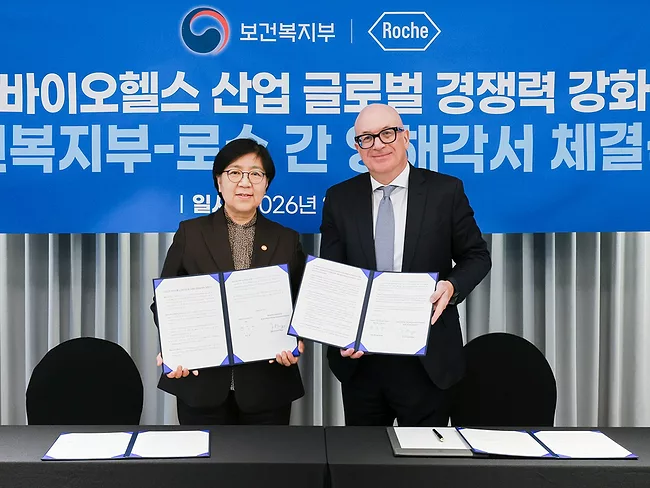
Roche Holding AG pledged to invest ₩710 billion (US$484.6 million) in South Korea over the next five years, positioning the country as a major global hub for clinical trials. The near $500 million agreement inked with the Korean government will bring Roche’s clinical trials for common or incurable diseases and innovative biopharmaceutical products to the country.
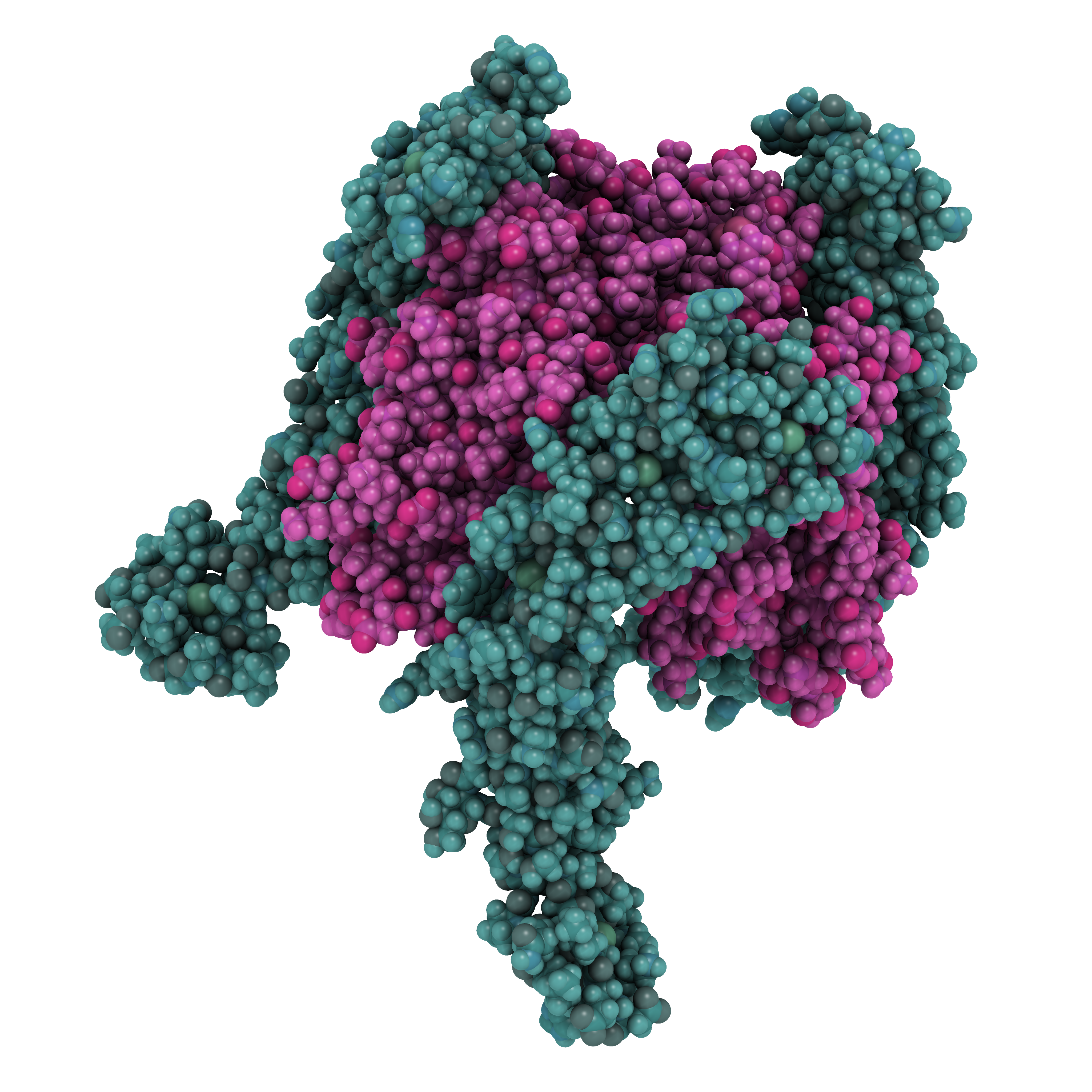
The OX40-targeting mechanism pursued by drug developers around the world found itself shadowed March 3 when Kyowa Kirin Co. Ltd. gave up work with rocatinlimab, a monoclonal antibody for which hopes had risen in moderate to severe atopic dermatitis, prurigo nodularis and moderate to severe asthma.
Shortly after Amgen Inc. walked away from its partnership with Kyowa Kirin Co. Ltd., the Tokyo-based company said it is discontinuing all ongoing clinical trials for rocatinlimab due to safety concerns.
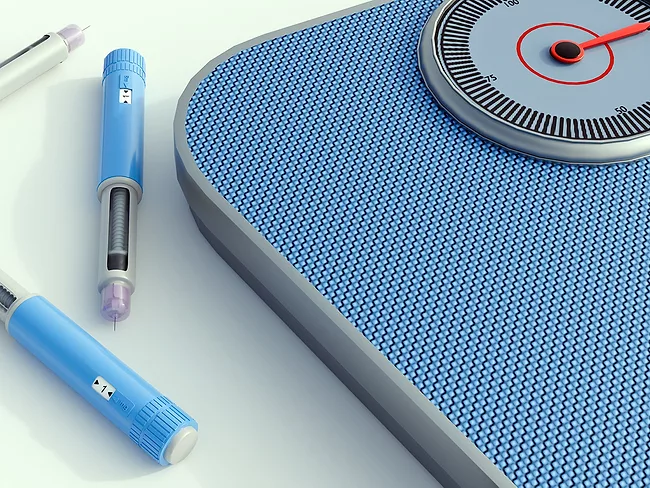
A new study has reinforced that GLP-1 receptor agonists are unlikely to produce durable weight loss, but indicates that rather than returning to the starting weight, individual weight gain will plateau at 75.5% of the weight lost.
Entering its first major cardiovascular disease collaboration with a biopharma company, while it advances two internal gene therapies, Tenaya Therapeutics Inc. signed on with Alnylam Pharmaceuticals Inc. to deliver up to 15 novel genetic targets that could lead to new heart disease medicines. The deal comes with $10 million up front, and up to $1.13 billion is available to South San Francisco-based Tenaya if all targets meet certain milestones, leading to approved therapeutics that Alnylam develops and commercializes.
Pepgen Inc. is forging ahead with tests of PGN-EDODM1 in other territories after the U.S. FDA placed a partial hold on the Freedom2-DM1 phase II trial, a multiple ascending-dose, randomized, placebo-controlled experiment in myotonic dystrophy type 1 (DM1).
Regulatory snapshots for biopharma and med tech, including global submissions and approvals, and other regulatory decisions and designations: Acadia, Asieris, Atara,Dxcover, Hua, Johnson & Johnson, Meiji Seika, Northsea,Pathai, Pharmaessentia, Pierre Fabre , Priovant, Recovryai, Splisense.
Biopharma and med-tech happenings, including deals and partnerships, and other news in brief: Adial, Celltype, Cirna, Congruence, Corstasis, Curie.Bio, Esperion, Forendos, Hepion, Kdventures, Molteni, Ono, Organon, Secarna, Senhwa, Sinopia.
 RSS
RSS