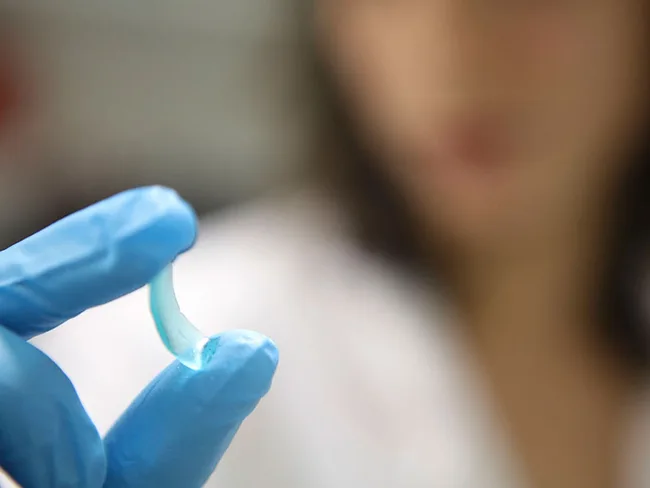
Tissium SA secured €60 million (US$68 million) in a financing package, which includes €30 million in a series D2 round and a €30 million facility from the European Investment Bank. The funds will be used to support the company's commercial and clinical activities, as well as its pipeline development and expansion of its platform technology, which removes the need for sutures and leads to better nerve repair.
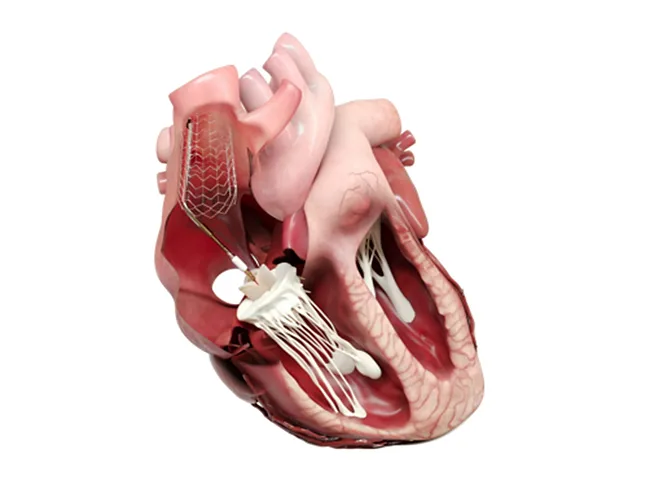
Croívalve Ltd. secured a further $20 million in series B financing for its Duo Adapt system, a transcatheter device that treats tricuspid regurgitation. The company also received $7 million from the European Innovation Council and the Disruptive Technologies Innovation Fund in grant financing. Croívalve will use the funds to expand its clinical study, which is evaluating the safety and performance of the Duo Adapt system in patients with severe or greater symptomatic tricuspid regurgitation.
Total med-tech financing through the first five months of 2026 reached $11.01 billion, falling between 2024’s $12.76 billion and 2023’s $8.95 billion over the same period, and trailing 2025’s $14.83 billion.
Mammogen Inc. raised $30 million in equity financing in a series A round to support the clinical advancement and commercialization of its RNA-powered molecular diagnostics platform. The company’s lead product is Gentru-breast, a blood-based assay designed to detect molecular signatures associated with breast cancer from a simple blood draw.
IMU Biosciences Ltd. has closed its series A at £40 million (US$53.9 million), adding £28.5 million to the initial close in January 2024, and bringing the total raised since the company’s formation in 2021 to £45 million. Since that first close, IMU has built what is claimed as the world’s largest high-definition immune system dataset, with almost 25,000 profiles of healthy volunteers and disease-specific patient cohorts.
IMU Biosciences Ltd. has closed its series A at £40 million (US$53.9 million), adding £28.5 million to the initial close in January 2024, and bringing the total raised since the company’s formation in 2021 to £45 million. Since that first close, IMU has built what is claimed as the world’s largest high-definition immune system dataset, with almost 25,000 profiles of healthy volunteers and disease-specific patient cohorts.
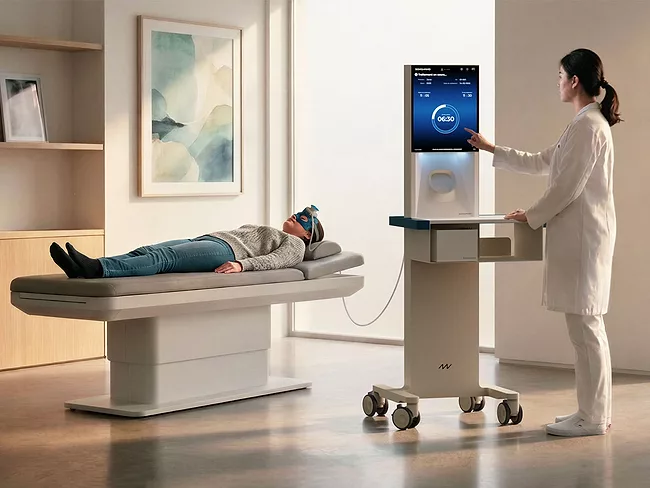
Sonomind SAS raised €20 million (US$23 million) in a series A funding round for its ultrasound-based neuromodulation technology for depression. The funds will be used for clinical trials of the non-invasive device, which uses a custom-made acoustic lens to precisely target deep regions within the brain to bring relief to patients suffering from treatment-resistant depression.
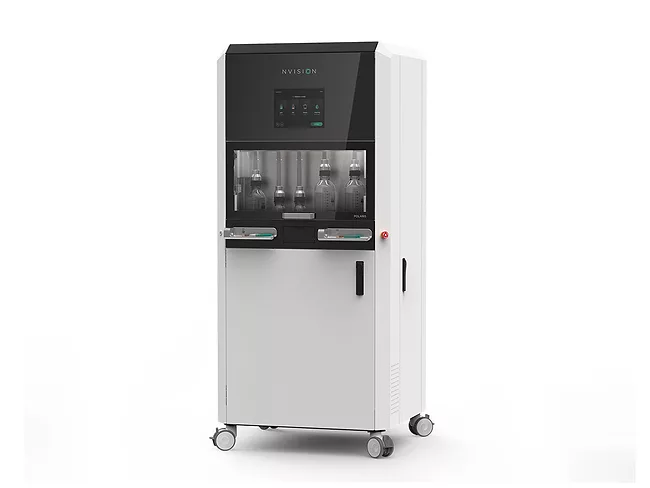
Nvision Imaging Technologies GmbH raised $55 million in a series B financing round led by Abbott Laboratories for its quantum-enhanced sensing platform, Polaris, which uses quantum technology to boost the MRI signal of sugar-based imaging agents to enable real-time measurement of metabolism on standard MRI systems. Sella Brosh, CEO and co-founder of Nvision, told BioWorld that the funds are extremely important as the company is scaling the Polaris systems to many more sites worldwide, which is a capital intensive process.
Med-tech financing activity in the first four months of 2026 reached $10.05 billion, similar to 2025’s $10.31 billion and 2022’s $10.62 billion. While below the peak years of 2019-2021, when financings were above $15 billion in the time period, total value is still above the levels seen in 2023-2024. April saw $1.51 billion raised, compared to $2.44 billion in March, $4.55 billion in February and $1.52 billion in January.
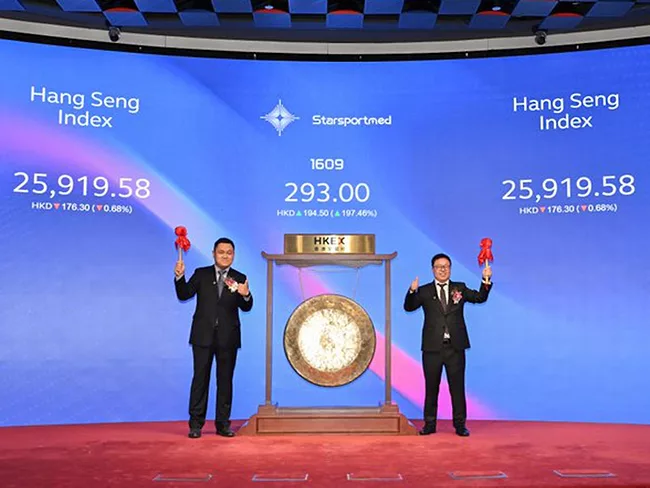
Star Sports Medicine Co. Ltd. debuted on the Hong Kong Stock Exchange with an HK$829.55 million (US$105.86 million) IPO May 5, with shares closing about 118% higher on the first day.
 RSS
RSS