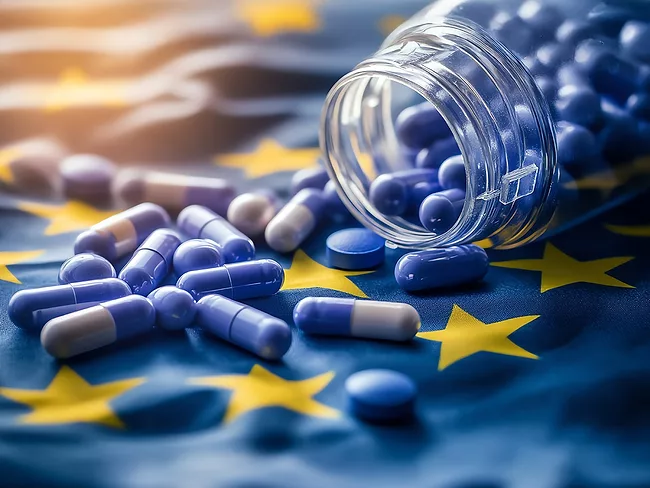
The EU’s Medical Devices Coordination Group (MDCG) issued another revision of its guidance for risk classification for in vitro diagnostics — the fourth such rewrite of a guidance that came out in 2020.
Med-tech happenings, including deals and partnerships, grants, preclinical data and other news in brief: Baird, Cepheid, Danaher, Nyxoah, Oxford Nanopore, Paige, Sectra, Shine.
Regulatory snapshots, including global submissions and approvals, clinical trial approvals and other regulatory decisions and designations: Genomic Testing Cooperative, Highlife, Carl Zeiss.
The on-again, off-again U.S. tariffs are off again, at least for now, for more than 75 countries that have reached out to the Trump administration to negotiate instead of retaliating. The 90-day pause will provide some breathing room for the med-tech industry. Pharmaceuticals and active pharmaceutical ingredients were among the few products exempted from the reciprocal tariffs, but that exemption for pharmaceuticals was expected to be short-lived. Meanwhile, pharma CEOs warned European Commission President Ursula von der Leyen April 8 that, unless the EU quickly changes its policy, pharmaceutical research, development and manufacturing is increasingly likely to be directed to the U.S.
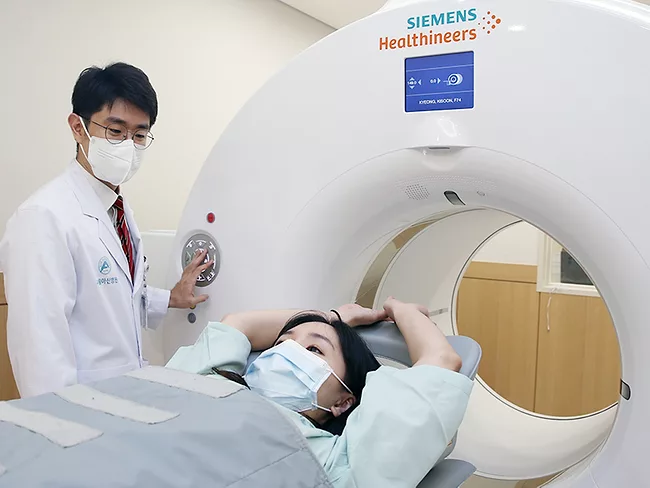
Radiopharmaceuticals, including 16α-18F-fluoro-17β-estradiol (18F-FES) PET/CT, are emerging as powerful tools with new diagnostic and therapeutic potential in breast cancer diagnosis and treatment, Han Sang-won, professor from the department of nuclear medicine at Asan Medical Center, recently told BioWorld.
In the wake of the pandemic, many leading med-tech companies took steps to on-shore and near-shore manufacturing, a move that could protect significant numbers of players from the worst of the effects of the tariffs announced by the Trump administration last week.
 RSS
RSS