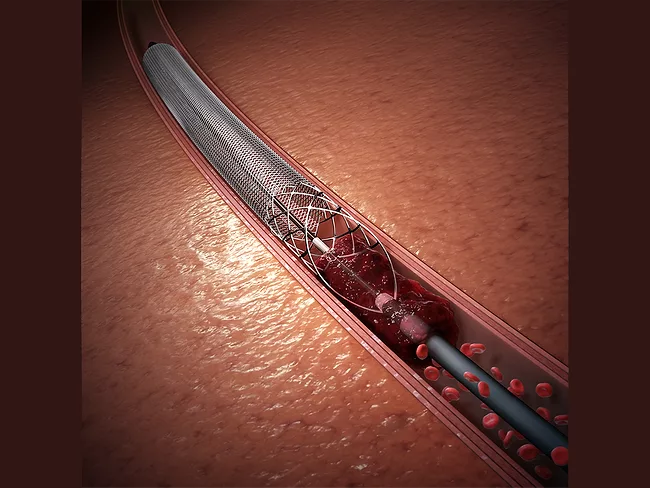
The U.S. FDA recently announced that Inari Medical Inc. issued a recall that corrects the instructions for use for roughly 2,500 units of the Clottriever XL catheter due to reports of device entrapment in the lung.
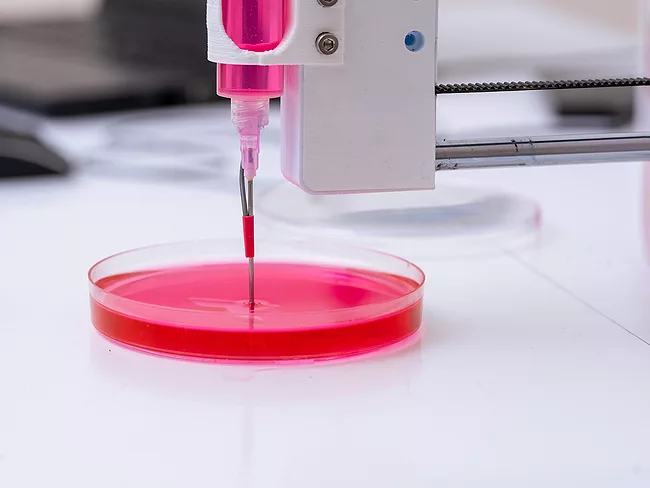
Additive manufacturing at the point-of-care (POC) might seem to open the world of medical device litigation to new theories of liability, but that isn’t likely in part because hospitals are wary of assuming the elevated legal risk associated with taking ownership of POC manufacturing activities.
Insulet Corp.’s Omnipod 5 automated insulin delivery system has been cleared by the US FDA for the indication of type 2 diabetes, making it the first automated insulin delivery system cleared for both type 1 and type 2 diabetes management.
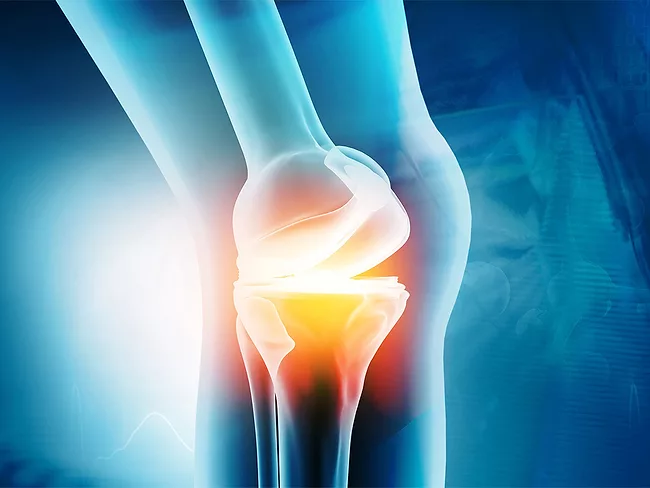
Vericel Corp.’s Maci for repairing cartilage defects in the knee has been approved by the U.S. FDA via a supplemental biologics license application. Using a patient’s own cells cultured on a porcine collagen membrane, Maci Arthro is delivered arthroscopically and allows for repair of knee cartilage defects up to 4 cm2.
Product liability is always a point of concern for manufacturers of medical devices and other U.S. FDA-regulated products, and the broad contours of product liability jurisprudence are well known by corporate counsel. However, artificial intelligence products are rapidly pressing their way into routine clinical use, representing a technological shift that may occasionally deviate from the existing rules of the road where product liability is concerned.
The U.S. CMS said its Medicare administrative contractors withdrew a draft local coverage determination that would have restricted the use of surveillance testing for allograft rejection.
Researchers from Case Western Reserve University and the U.S. Department of Veterans Affairs, continue their development of a neuroprosthetic which comprises a system of implanted or wearable sensors.
 RSS
RSS