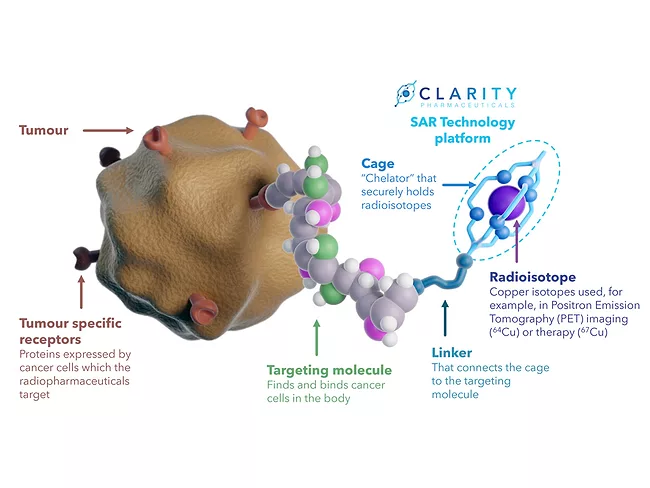
Clarity Pharmaceuticals Ltd. raised AU$121 million (US$79.29 million) through a private placement that will fund the company’s radiopharma pipeline comprising targeted copper therapies out to early 2026.
Metyos SAS has raised €2.3 million (US$2.7 million) in pre-seed funding for its biowearable sensor technology which monitors patients with chronic kidney disease (CKD). The funds will be used to progress the technology through clinical trials ahead of FDA approval.
Regulatory snapshots, including global submissions and approvals, clinical trial approvals and other regulatory decisions and designations: Avicenna.AI, Cerus, Endosound, Getinge, Medtronic, Roche, Shockwave.
Clinical updates, including trial initiations, enrollment status and data readouts and publications: C2N Diagnostics, Clearnote, Cleerly, Personalis, Quest Diagnostics.
Schlieren, Switzerland-headquartered Dinaqor AG reported seeking further protection for a technique for loco-regional perfusion (LRP) of a kidney and specifically claims the genes it may be used to deliver.
The U.S. FDA released two draft guidances in the third week of March 2024, one of which is a modest edit of an existing guidance for pre-submission activities between the agency and manufacturers.
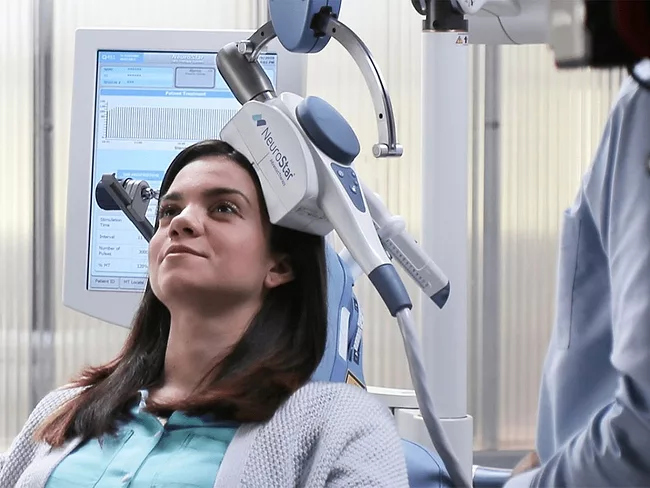
The U.S. FDA granted Neuronetics Inc. clearance for use of its Neurostar advanced therapy as an adjunctive treatment of major depressive disorder in patients aged 15 to 21, making it the first transcranial magnetic stimulation treatment (TMS) cleared for this age group, the company said.
China’s National Medical Products Administration has cleared China Grand Pharmaceutical and Healthcare Holdings Ltd. to advance radiopharmaceutical agent ITM-11 (177Lu-edotreotide) to phase III trials in gastroenteropancreatic-neuroendocrine tumors
 RSS
RSS