Biopharma happenings in Asia-Pacific including deals and partnerships, grants, preclinical data and other news in brief: 365mc, Acumen, Biogen, Bridge Health, Centargia, Harrow, Hekabio, I-Mab, JCR, Kadimastem, Kowa, Nicox, Nkgen, NLS, Otsuka, Raziel, Samsung.
China has proved to be a fertile ground for innovation as evidenced by some big deals in the antibody-drug conjugate (ADC) space, and the number of candidates entering clinical trials in China or being advanced in the U.S. by Chinese companies.
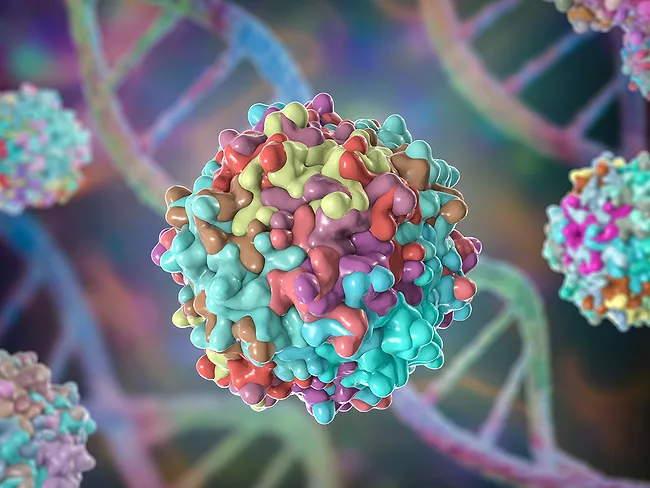
Under a new licensing deal announced July 8, JCR Pharmaceuticals Co. Ltd. granted Alexion Pharmaceuticals Inc. rights to its adeno-associated virus (AAV) capsids for use in up to five of Alexion’s genomic medicines programs.
Historically, Q2 has often been one of the strongest quarters for biopharma financing, but 2025’s figures suggest a more cautious investment climate. Biopharma companies raised $16.02 billion in the second quarter (Q2) of 2025, a modest increase from the $13.11 billion brought during Q1. While the uptick signals some recovery from Q1, the sector is still pacing well behind the highs of recent years.
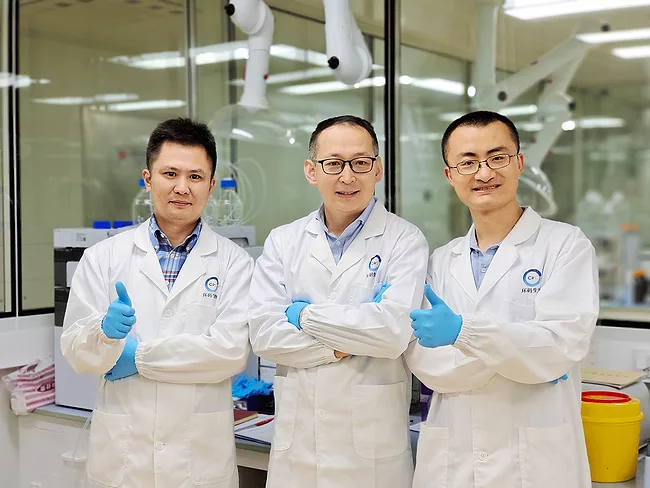
Shanghai Circode Biomed Co. Ltd. is set to begin clinical trials of HM-2002, a circular RNA (circRNA)-based drug for ischemic heart disease, having gained IND clearance in China Jan. 10 and the U.S. on May 30, Circode CEO Chenxiang Tang recently told BioWorld.
Roche AG subsidiary Chugai Pharmaceutical Co. Ltd. and Singapore’s Gero Pte. Ltd. plan to tackle age-related diseases by collaborating to identify drug targets through Gero’s AI-driven human data-first platform.
Takeda Pharmaceutical Co. Ltd.’s dual phase III victories in narcolepsy type 1 (NT1) with oral orexin receptor 2 (OX2R)-selective agonist oveporexton (also known as TAK-861) had Wall Street mulling what the outcome might mean for others trying the mechanism of action, and questions linger about side effects on eyesight.
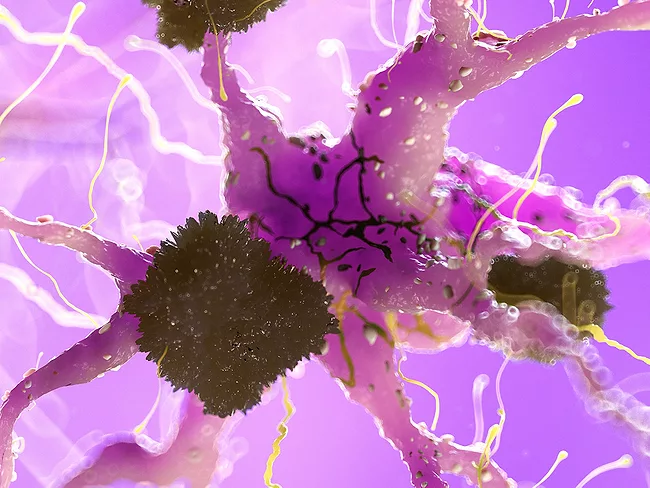
Illimis Therapeutics Inc. raised ₩58 billion (US$42 million) in a series B financing round. The funds will support development of ILM-01, its lead bispecific fusion protein candidate, into preclinical development for Alzheimer’s disease by the second half of 2025, along with the company’s neuroimmunology portfolio.

 RSS
RSS