Antibody-drug conjugate developer Duality Biotherapeutics Inc. is gearing up for a second IPO attempt this year, having filed on Feb. 27 a new prospectus on the Hong Kong Stock Exchange. Two other biotechs – Genuine Biotech Ltd. and Cloudbreak Pharma Inc. – also are having another go at a listing in Hong Kong in 2025.
HBM Alpha Therapeutics Inc. signed a potential $395 million licensing deal Feb. 26 with an unnamed “business partner” for its endocrine asset, HAT-001, adding another contender to the congenital adrenal hyperplasia space.
Regenerative medicine company Mesoblast Ltd. is preparing to launch its allogeneic bone marrow-derived mesenchymal stromal cell (MSC) therapy, Ryoncil, (remestemcel-L), in March in the U.S. and has priced the treatment at roughly $1.55 million for a full course.
Biocity Biopharmaceutics Co. Ltd.’s selective endothelin receptor type A antagonist, SC-0062, met the primary endpoint of reducing proteinuria in a phase II diabetic kidney disease cohort. Conducted at 40 sites across China, the 2-Succeed phase II trial is designed to evaluate the efficacy and safety of SC-0062 in patients with chronic kidney disease with proteinuria.
Australia’s Therapeutic Goods Administration (TGA) has once again decided against approving Eisai Australia Pty Ltd.’s amyloid beta binder, Leqembi (lecanemab), for treating patients with mild cognitive impairment due to Alzheimer's disease and mild Alzheimer's dementia.
Kyorin Pharmaceutical Co. Ltd. has out-licensed its preclinical candidate, KRP-M223, and its back-up compounds to Novartis Pharma AG in a deal worth up to $777.5 million. Under the terms, Novartis gains an exclusive worldwide license to develop, manufacture and commercialize Kyorin-discovered KRP-M223.
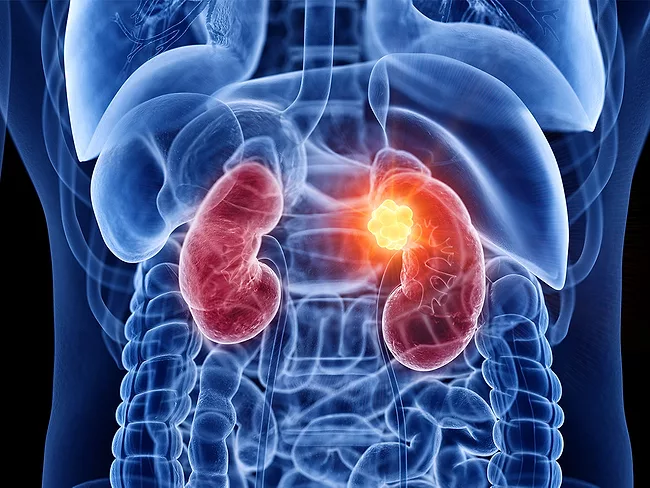
After a second round, the U.S. FDA has accepted for review radiopharmaceutical company Telix Pharmaceuticals Ltd.’s BLA for its kidney cancer PET imaging agent, TLX250-CDx (Zircaix, 89Zr-DFO-girentuximab), granting it a priority review with a PDUFA date of Aug. 27, 2025.

 RSS
RSS