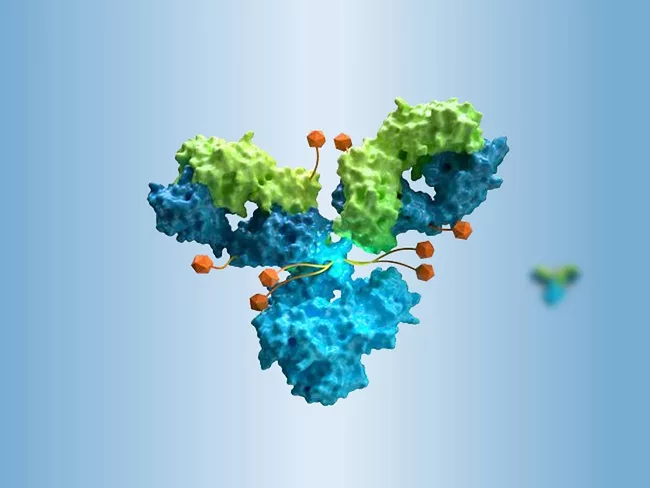
Remegen Co. Ltd. emerged as a surprise challenger in the generalized myasthenia gravis space, unveiling positive phase III data of its China-approved lupus drug, telitacicept (RCT-18; Tai’ai), in the rare autoimmune neuromuscular disorder at the 2025 American Academy of Neurology conference.
Tryptamine Therapeutics Ltd. is gearing up to enter the clinic with lead compound TRP-8803, an intravenous-infused psilocybin therapy, in patients with binge eating disorder in conjunction with psychotherapy.
Biopharma companies brought in $13.08 billion in financing during the first quarter (Q1) of 2025, marking a significant drop from every quarter of 2024. The number of financings also declined, with 239 transactions completed in Q1 this year, down from a quarterly average of approximately 299 deals in 2024.
Biopharma dealmaking surged in the first quarter of 2025, totaling $66.86 billion, well ahead of the $44.16 billion recorded in the same period last year. March contributed $29.48 billion to the total, a 237% increase from February’s $8.76 billion and closely matching January’s $28.63 billion.
Phase I/II trial results of sacituzumab tirumotecan (sac-TMT; Sichuan Kelun-Biotech Biopharmaceutical Co. Ltd.) published in Nature Medicine came a month after China’s National Medical Products Administration gave clearance to Kelun-Biotech’s supplemental NDA of sac-TMT to treat advanced non-small-cell lung cancer (NSCLC).
Hightide Therapeutics Inc.’s berberine ursodeoxycholate (HTD-1801) met primary and secondary endpoints in the Symphony 1 and Symphony 2 phase III trials in type 2 diabetes in Chinese patients. Based on the data, Shenzhen-based Hightide will submit an NDA to China’s National Medical Products Administration (NMPA) later this year.
Regulatory snapshots, including drug submissions and approvals, clinical trial approvals and other regulatory decisions and designations in Asia-Pacific: Astrazeneca, Moderna, Mesoblast, Otsuka, Yingli.
Researchers have developed a new compound that can prevent long COVID symptoms in mice that could lead to a future drug for the debilitating condition in humans. Developed by researchers at the Walter and Eliza Hall Institute of Medical Research (WEHI) in Melbourne, the world-first study found mice treated with the antiviral compound were protected from long-term brain and lung dysfunction, which are key symptoms of long COVID.
Compared to other forms of prevention, a unique issue for pandemic preparedness is that it is forever unclear what pathogen, exactly, the world needs to be prepared for. There are an estimated 300,000 viruses that infect mammals; add in birds, and the estimate grows to more than half a million. Some of those viruses are much greater threats than others.
 RSS
RSS