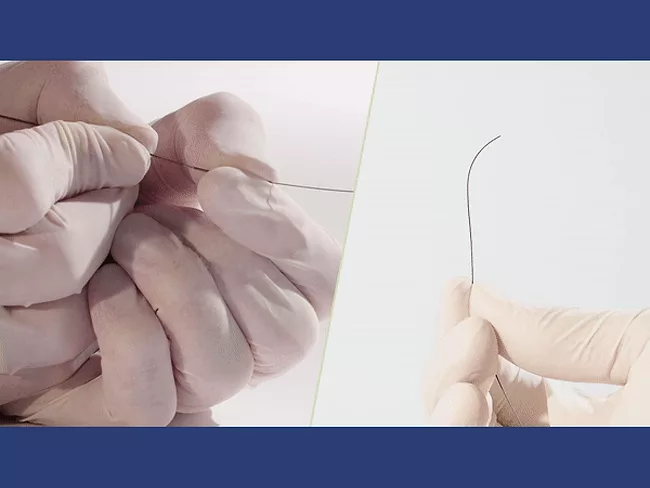
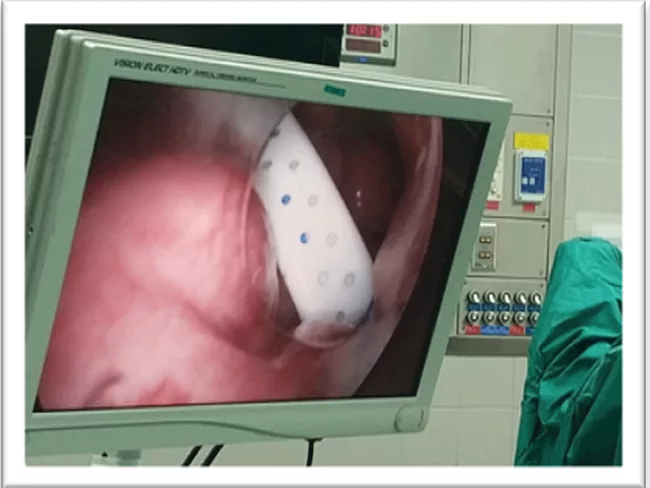
Rapid Medical Ltd.'s journey took a promising turn with a U.S. FDA clearance of Drivewire, the company's steerable guidewire for neuro and peripheral vasculature. Drivewire allows surgeons to adjust the shape of the tip while traversing challenging vasculature. It is the first neurovascular guidewire with a controllable distal end that permits on-demand course and shape changes during a procedure.
Carmat SA said its total artificial heart received the CE mark, and the company plans to ramp up production to enable the launch of the device in the second quarter of 2021. The artificial heart offers a bridge to transplant in patients with end-stage biventricular heart failure. It provides an alternative for individuals for whom maximal medical therapy and left ventricular assist device are insufficient or contraindicated.
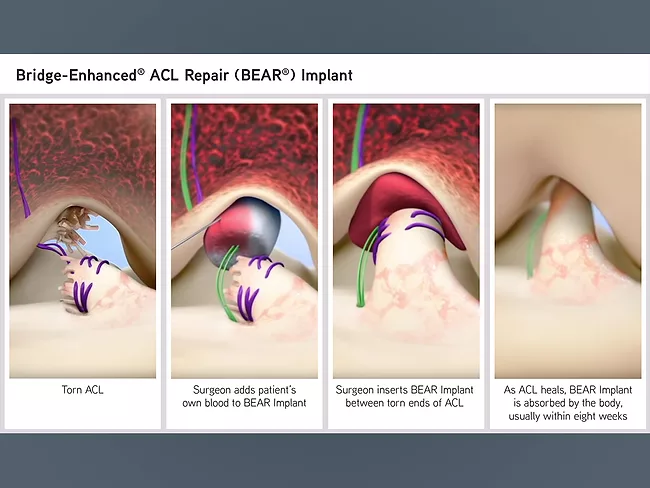
Miach Orthopaedics Inc. got a leg up on competitors with the U.S. FDA's de novo approval of its Bridge-Enhanced ACL Repair (BEAR) implant. The company achieved a long-term goal in orthopedics, developing a graft-free system that enables the anterior cruciate ligament (ACL) to repair itself. The device represents the first new treatment for ACL tears in three decades.
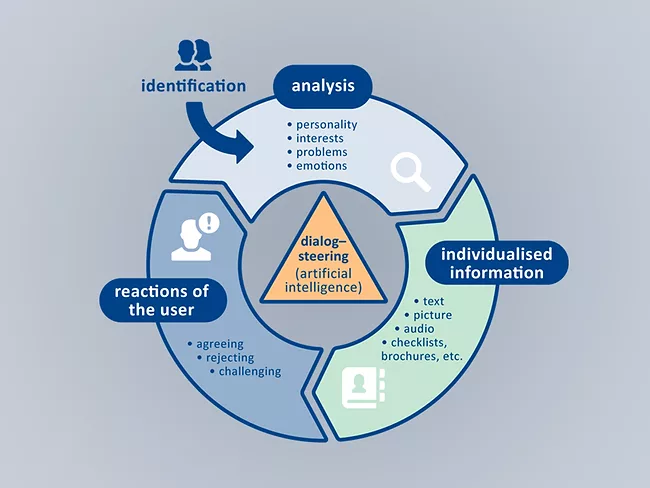
The digital therapeutics market has surged during the pandemic and looks likely to markedly change health care long after the current crisis abates. The need for distance, limited in-person appointments, increased stress and mental health issues, and a more relaxed U.S. FDA approach have created the ideal environment for the rollout of therapies patients can use from home on their own time. Increasingly, clinical trials demonstrate the effectiveness of the new options and users praise the convenience.
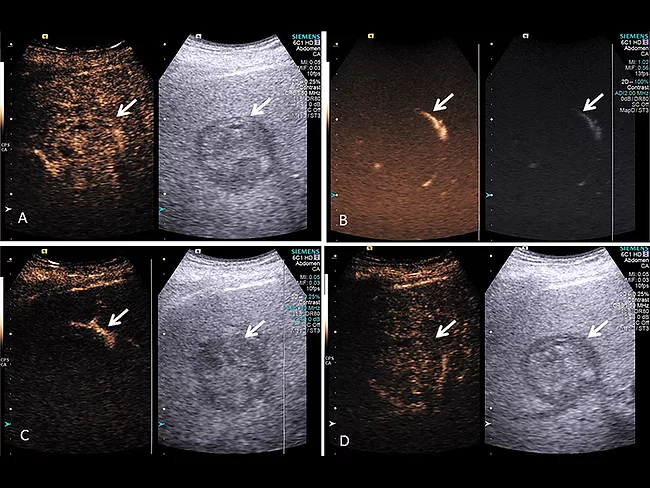
Researchers at Thomas Jefferson University have found that using ultrasound to pop microbubbles already present in a contrast agent nearly doubled liver tumor response to transarterial radioembolization. The procedure raised no safety concerns and increased the likelihood of patients receiving a liver transplant.
The U.S. FDA granted a breakthrough device designation to Exero Medical Ltd.’s implantable smart sensor for early detection of anastomotic leaks after gastrointestinal (GI) surgery. The device continuously monitors the GI tract near the surgical site to alert providers about potentially deadly leaks.
Bone Health Technologies Inc. may be on the verge of upstaging a common drug therapy, but don't tell them to break a leg. The San Francisco-based company's Osteoboost Vibration Belt received a U.S. FDA breakthrough designation for technology that delivers gentle stimulation to reduce bone loss and prevent osteoporosis with the goal of reducing the number of potentially devastating broken bones in the elderly.
Clinics, urgent care centers, busy hospitals, and patients can count on Hemoscreen, a miniaturized point-of-care hematology analyzer made by Pixcell Medical Technologies Ltd., to provide accurate complete blood count (CBC) results, according to a study published in the Journal of Applied Laboratory Medicine. The study found the small unit better differentiates between cells and adapts to inference than conventional laboratory blood analysis.
It might not have helped Iron Man survive use of the Infinity gauntlet, but for individuals with chronically iron-poor blood, Sanguina Inc. ’s new mobile app could be a lifesaver. Atlanta-based Sanguina released Anemocheck Mobile, an app that measures hemoglobin levels, for the Google Play Store and will shortly add the app for iOS. Anemocheck analyzes a photo of the user's fingernail beds and provides the hemoglobin level on the screen. Hemoglobin levels provide the most common measure of anemia.
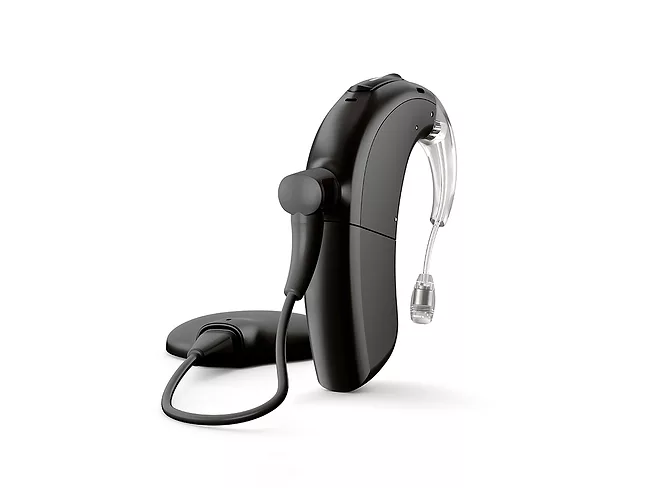
Advanced Bionics LLC heard good news from the U.S. FDA, which granted approval for the company’s Marvel cochlear implant (CI) platform and the first-ever sound processor designed specifically for children. The development brings the Marvel platform, initially created for hearing aids produced by Advanced Bionics' sister company, Phonak AG, to the sound processor for CIs for the first time.