Researchers at the Georgia Institute of Technology see a future where long-lasting hydrogel injections replace eye drops and surgery in the management of glaucoma, the most common cause of irreversible blindness in the world. The treatment would be delivered every six months, in line with glaucoma patients’ regularly scheduled visits to the ophthalmologist.
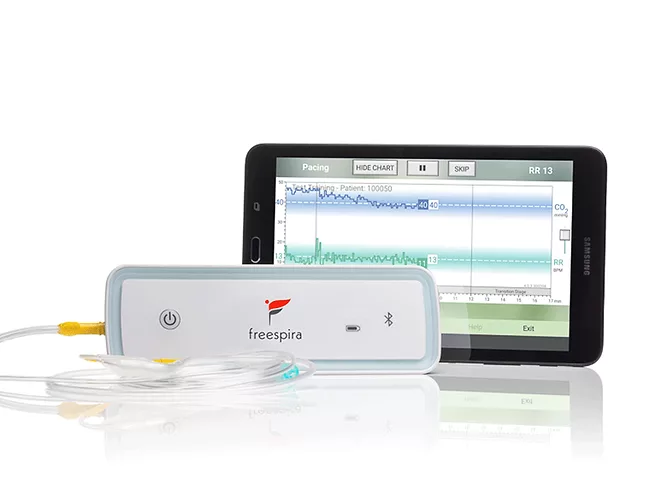
The rising tide of digital therapeutics approved and funded in the U.S. raised the outlook for Mahana Therapeutics Inc. and Freespira Inc. as both companies announced good news. Mahana's prescription digital therapeutic for gastrointestinal conditions, Parallel, received premarket authorization from the U.S. FDA and Freespira, formerly Palo Alto Health Sciences Inc., raised $10 million for its digital therapeutic for panic attacks, panic disorder and post-traumatic stress disorder.
Airehealth Inc.'s management took a deep breath on hearing that the company's Vitalmed nebulizer received U.S. FDA 510(k) clearance after waiting nearly 11 months. The portable, electronic, vibrating mesh nebulizer will connect to the Orlando, Fla.-based company's diary companion app early next year as part of an integrated suite of products designed to help individuals with chronic respiratory issues track symptoms and better manage their care.
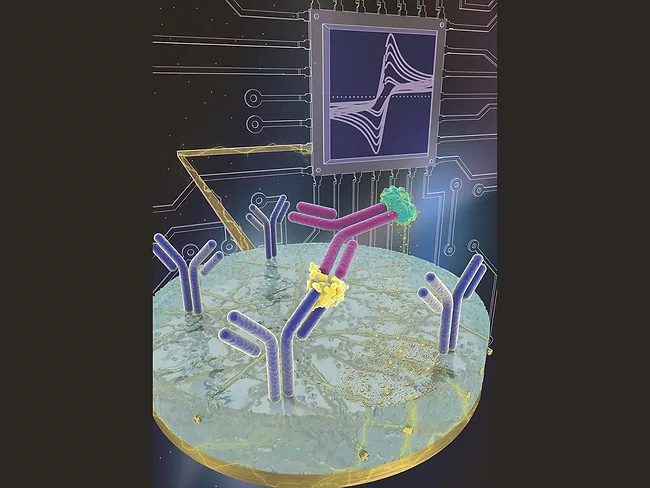
Harvard University’s Wyss Institute for Biologically Inspired Engineering licensed its Erapid electrochemical sensing platform to IQ Group Global to integrate with the Australian consortium’s transistor technology in a SARS-CoV-2 test. The combined solution could greatly simplify serological testing for the virus and help monitor immunity in individuals and populations over time.
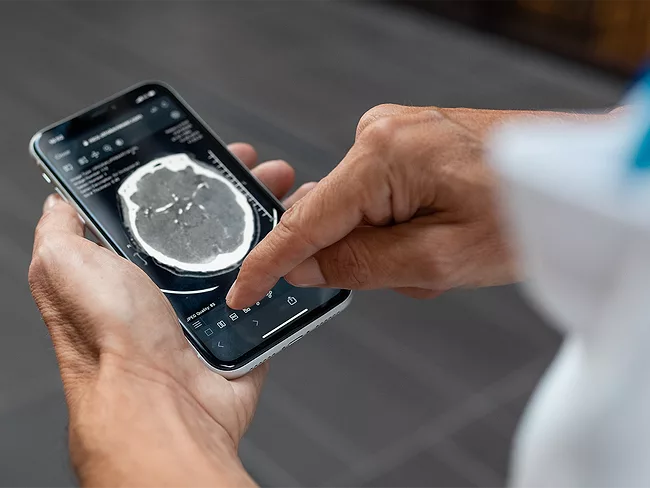
For the 795,000 Americans who suffer a stroke each year, time is brain. The U.S. FDA granted 510(k) clearance to a solution the developer says could cut time-to-treatment in stroke by an hour, preserving 3.6 years of healthy life. Nico.lab’s artificial intelligence-based CT scan analyzer, Strokeviewer LVO, uses an algorithm that enables faster triaging of stroke patients and enables physicians to see the location of occlusions in minutes.
With hospitalizations rapidly rising as the COVID-19 pandemic washes across the world in a winter wave, researchers are racing to develop treatments that protect the increasing number of ventilated patients. One option focuses on protecting muscles critical to breathing.
Salient Bio launched a robotics-driven PCR test for COVID-19 with 99% for use in mass testing for the virus. The company says the "fastest ever" test notifies users of test results in less than a day and is priced to be cost effective for businesses. Salient plans to expand the number of tests utilizing the modular diagnostics platform in 2021 to include a range of pathogens. Even with vaccines on the horizon in the coming months, the London-based company expects brisk demand for its product.
With the world experiencing another wave of the coronavirus pandemic that threatens to overwhelm hospitals and testing capacity, the ability to quickly diagnose COVID-19 based on alternative methodologies has become increasingly important. For patients with respiratory symptoms, review of CT scans emerged as a relatively reliable indicator of infection with SARS-CoV-2 from the first days of its emergence, but the need for more accurate readings remains.
A new sensor developed by The Charles Stark Draper Laboratory Inc. measures your bioelectrical field. It may sound like “polishing your aura” but, in reality, it stands to be the most significant transformation of the electrocardiogram in decades. The sensor adapts technology developed for navigation and guidance systems to provide three-dimensional (3D) measurement of the heart's bioelectric field.
New artificial intelligence capabilities will be integrated into widely used genomic testing for breast cancer under a new partnership formed by Agendia Inc. and Paige.ai. The two companies are working together to enhance the genomic information from Agendia's Mammaprint and Blueprint diagnostic tests with AI-based digital diagnostics provided by Paige with the goal of redefining precision oncology.