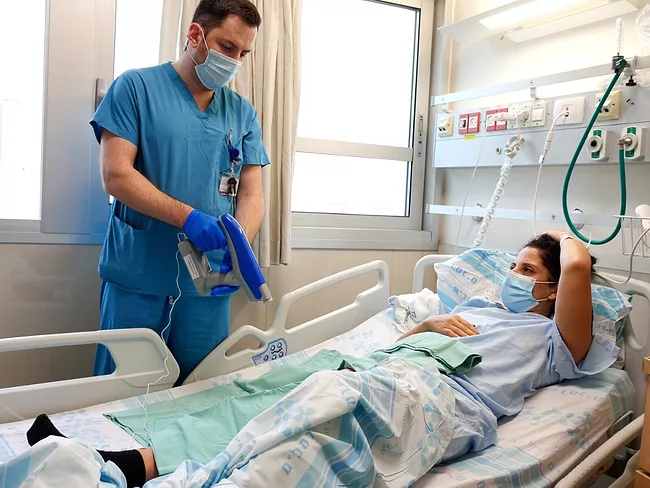
If Marvel’s Peter Parker had chosen to apply his graduate work in biochemistry and his web-shooters to medicine, he might have created something like Nanomedic Technologies Ltd.’s Spincare system. The system uses a hand-held medical gun that prints a flexible, transparent layer of artificial skin directly on a wound or burn. The Electrospun Healing Fiber (EHF) technology creates a waterproof, protective nano polymer matrix.
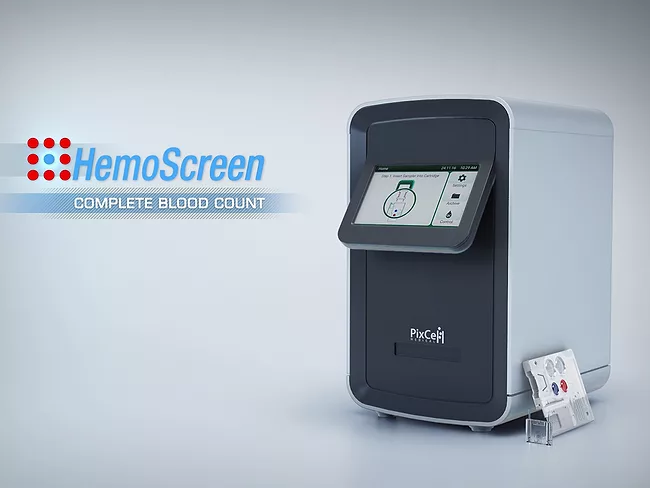
The National Institutes of Health selected Pixcell Medical Ltd.’s Hemoscreen hematology analyzer as part of the six-year Risk Underlying Rural Areas Longitudinal (RURAL) research study, aiming to gain insight into the specific health-related concerns of the rural southeastern United States' population. The RURAL study is funded by the National Heart, Lung and Blood Institute and aims to understand health concerns specific to rural communities in the South, particularly related to increased rates of heart, lung, blood and sleep disorders.
"Step up, speak up" could be the next mantra for COVID-19 screening at airports, universities and large employers if Vocalis Health Inc.'s screening tool takes off – and its recent CE mark approval makes that more likely. Vocalis reported that a large study found the tool, which uses AI-powered vocal biomarkers, had greater than 80% sensitivity and specificity, even in asymptomatic individuals.
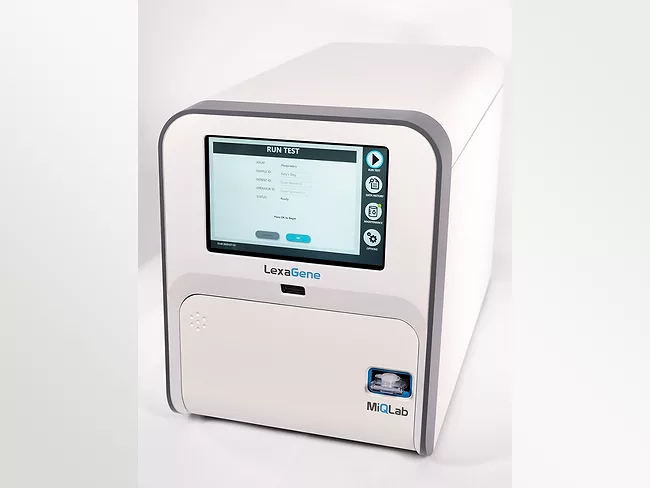
Lexagene Holdings Inc. has successfully configured its Miqlab system to detect the U.K. and South African variants of SARS-CoV-2. The open-access point-of-care system can simultaneously screen for multiple respiratory pathogens and identify COVID-19 strains. Lexagene started studies to support its filing for U.S. FDA emergency use authorization (EUA) in late December 2020. If authorized, it would be the first open-access point-of-care (POC) device to gain an EUA.
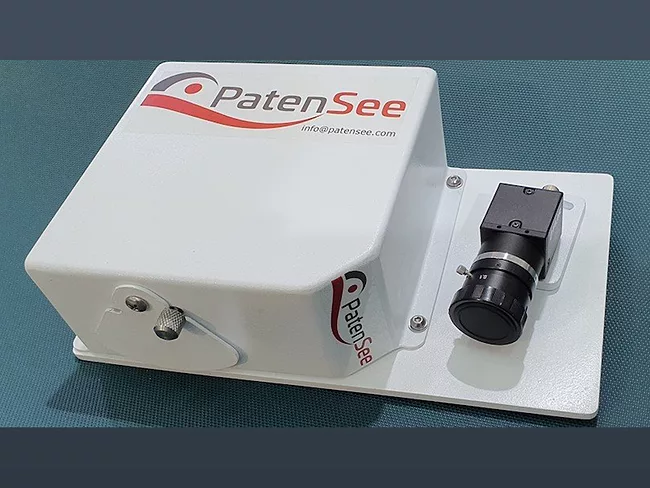
Patensee Ltd. initiated a first-in-human trial of its machine vision-based surveillance system for stenosis in hemodialysis patients. The trial will evaluate the imaging system's ability to perform contact-free surveillance of the access points or fistulas essential for dialysis, which nearly all narrow or become blocked over time. The surveillance system aims to mimic the central components of a dialysis nurse's exam using technology.
Researchers at the University of California San Diego (UCSD) have taken wearables to a new level with a soft skin patch that integrates functions currently siloed in continuous glucose monitors, wearables, wellness apps and hospital monitors. The all-in-one patch can be worn on the neck to continuously track blood pressure, heart rate, glucose, lactate, alcohol and caffeine.
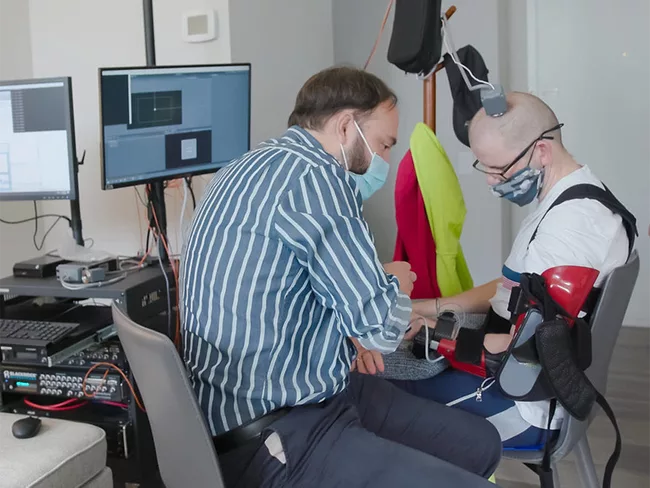
Researchers at Thomas Jefferson University have implanted brain electrodes in a patient who suffered a subcortical ischemic stroke more than a year ago to help them overcome abnormal muscle tone and control a robotic arm brace. Artificial intelligence (AI) algorithms interpret neuronal signals recorded by the electrodes into movement of the brace.
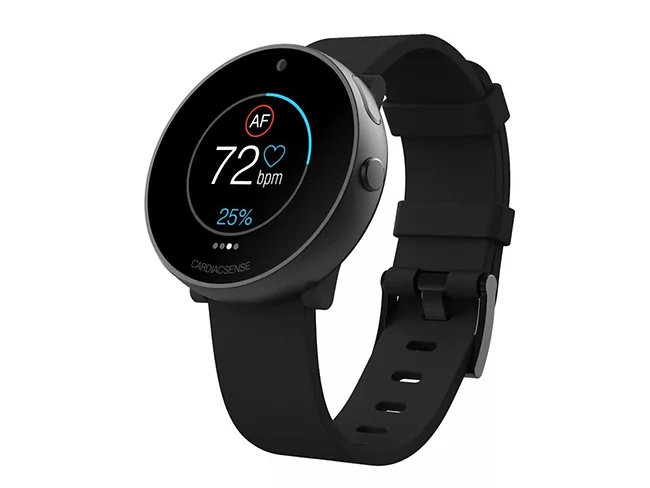
Cardiacsense Ltd.’s medical watch received CE mark for the detection of atrial fibrillation and heart rate variability monitoring. The watch provides continuous, long-term monitoring of heart arrhythmias without cumbersome external devices or invasive implants. The European clearance does not require a prescription for use and will enable the Caesarea, Israel-based company to begin distribution under a number of agreements the company signed in 2020.
Tonix Pharmaceuticals Holding Corp. is looking to lessons from tuberculosis and smallpox to guide its future in infectious diseases. The company is developing an intradermal skin test like that used for TB to measure T-cell immunity to SARS-CoV-2, the virus that causes COVID-19. It also has three vaccines in development for COVID-19 that rely on horsepox, likely the form of vaccinia used by Edward Jenner to create the smallpox vaccine.
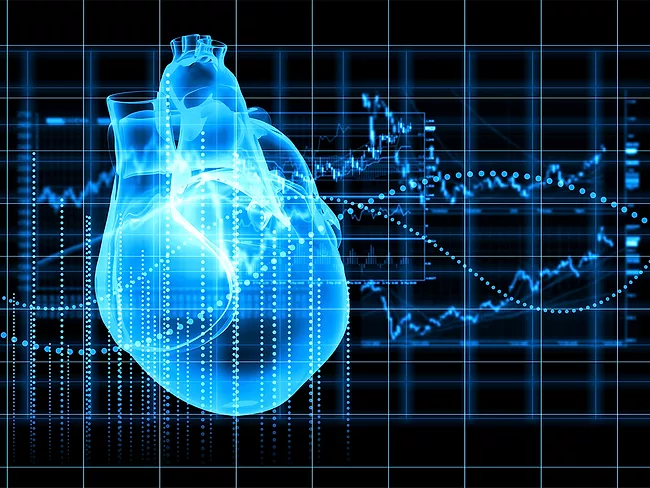
An artificial intelligence (AI) algorithm developed by Geisinger researchers that uses echocardiogram videos predicted all-cause mortality at one year more accurately than three out of four expert cardiologists and other predictors commonly used in clinical practice, a study in Nature Biomedical Engineering demonstrated.