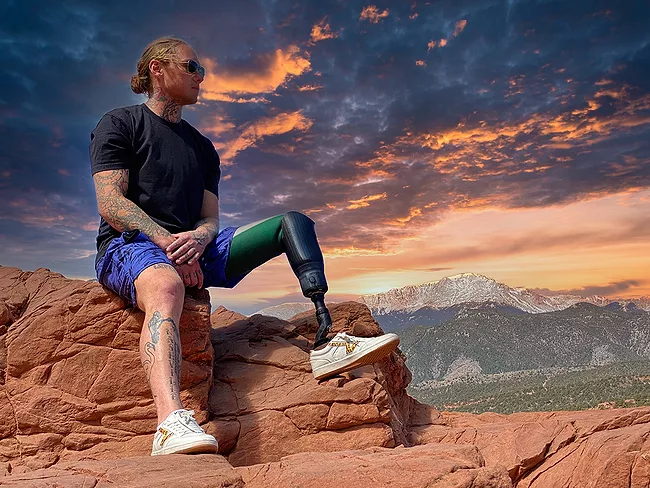
Medical Creations Inc., dba Xtremity, raised $8.1 million in a series B3 financing round to develop a transtibial prosthetic socket, the Xtremitytt. The socket is designed to enable rapid fabrication and adjustments by using a carbon-reinforced polymer that can be shaped and reshaped in the clinic rather than require use of outside facilities.
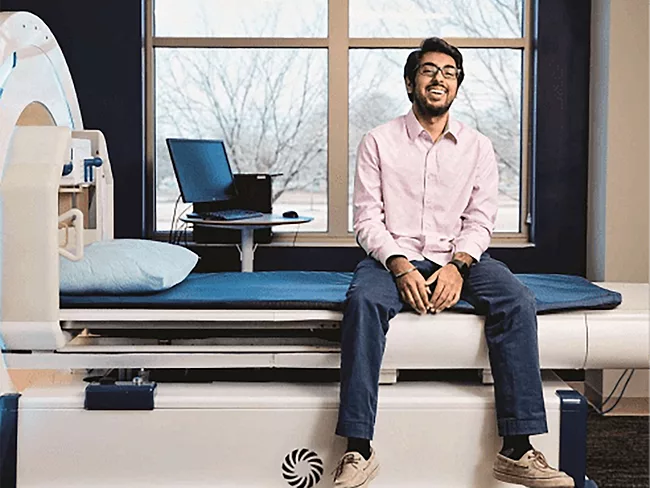
Genetesis Inc. nearly doubled its total funds raised to $40 million with a $17.5 million series C financing round to support new clinical trials and commercialize its magnetocardiography system, Cardioflux. Mithril Capital led the round with participation from another new investor, Cercano Management, as well existing investors Jobs Ohio Growth Capital, Ohio Innovation Fund and Cincytech.
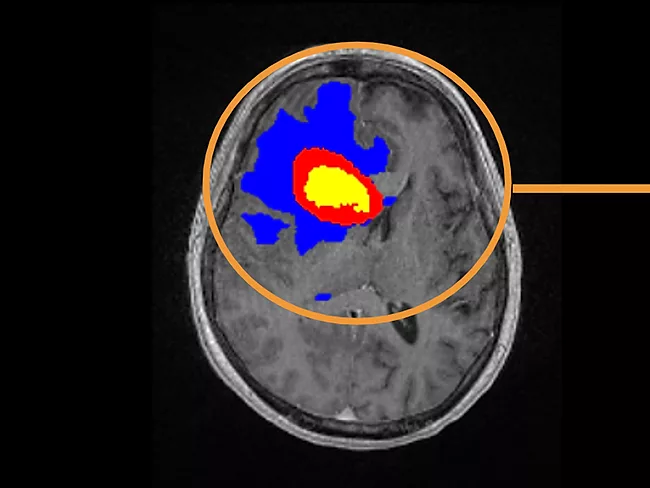
Brain MRIs can reveal a great deal about brain tumors, but tracking response to treatment, clearly delineating edges and identifying other critical information remain problematic. Neosoma Inc.’s recently granted FDA 510(k) clearance may simplify treatment of the most challenging of these tumors, high-grade gliomas. The Neosoma High-Grade Glioma (HGG) neuro-oncology software device uses artificial intelligence to provide detailed measurements and 3D analysis that enable greater precision in procedures and better monitoring.
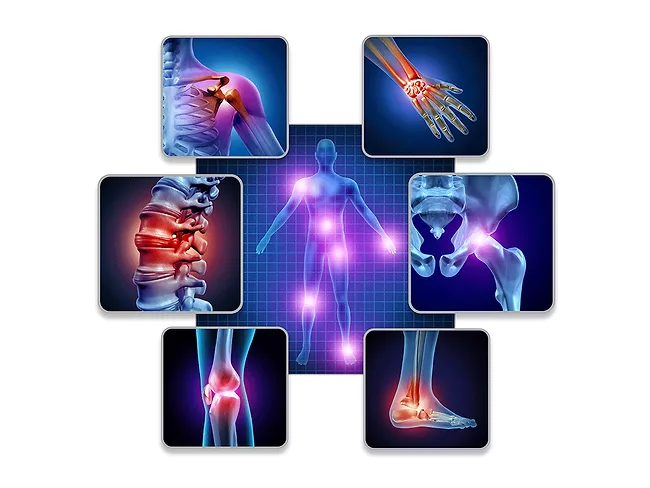
Millions of patients with fibromyalgia have battled widespread pain with few effective treatment options for decades. The U.S. FDA has offered reason for hope and better health with four recent decisions. On Oct. 4, Solon, Ohio-based Multi Radiance Medical Inc. (MRM) received clearance for its Fibrolux therapy laser for the condition, following Neurometrix Inc.’s de novo authorization for its transcutaneous electrical nerve stimulation device, Quell, in May. Remedee Labs SA received breakthrough device designation (BDD) for its endorphin stimulation system in May and Swing Therapeutics Inc. was granted BDD for its digital therapy in Aug. 2021.
Vergent Bioscience Inc. raised $21.5 million in a series B financing round to advance development of VGT-309, its targeted fluorescent imaging agent that illuminates tumors during open, minimally invasive and robotic-assisted surgeries. The company plans to use the funds to support a phase II trial at the University of Pennsylvania that focuses on lung cancer and a multicenter study that will examine the agent’s use in other indications.
The American Academy of Ophthalmology (AAO) annual meeting in Chicago Sept. 30 to Oct. 3 covered the waterfront in the ophthalmic market, with positive signs for continued or improving health as supply kinks work out. Hurricane Ian’s impact on the other side of the country was also a topic, as Florida accounts for a disproportionate percentage of cataract surgeries, which may be delayed as a result of the destruction in the state. We provide some highlights from the conference, analysts’ meetings with company executives and some timely new developments in the sector.
Cionic Inc. doubled its funding to date with a $12.5 million series A round led by Bluerun Ventures. The cash infusion will support the manufacturing and delivery of the company’s Neural Sleeve, development of additional products on its human augmentation platform and expansion of the team. The Neural Sleeve received FDA clearance in February and is designed to help individuals with impairments caused by multiple sclerosis, stroke, cerebral palsy and other diseases retain or regain mobility.
Delphinus Medical Technologies Inc. raised $30.4 million in a series D fundraising round to support worldwide commercialization of its Softvue 3D whole breast ultrasound tomography system. Both new and existing investors kicked in funds including Arboretum Ventures, Beringea, North Coast Technology Investors, Venture Investors, Hopen Life Science Ventures and Waycross Ventures.
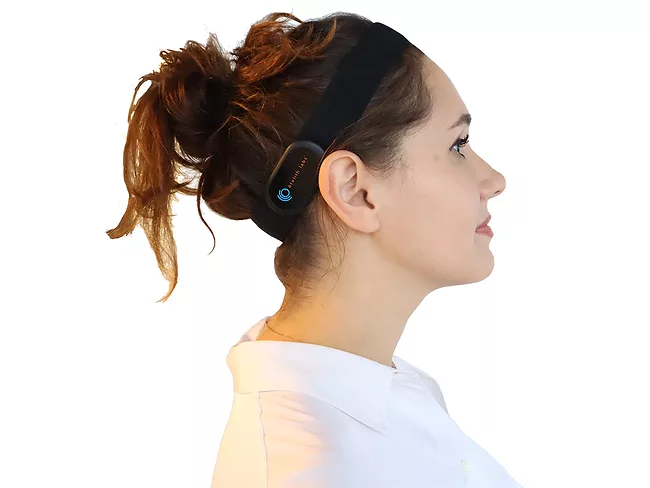
Otolith Sound Inc. closed a $20 million series A financing round led by Morningside Ventures for its treatment for chronic vertigo. The latest funding follows a $3.3 million seed financing round and breakthrough device designation in June 2021. The funding will be used to support ongoing clinical programs and its anticipated FDA approval of its noninvasive wearable device Vestibular System Masking (nVSM) technology.
Following on a trifecta of regulatory wins, Optellum Ltd. raised $14 million in a series A funding round to commercialize its artificial intelligence (AI)-enabled lung cancer diagnostic platform. Optellum’s Virtual Nodule Clinic, which helps physicians identify and monitor patients at-risk of lung cancer, has received U.S. FDA clearance, CE-MDR in the European Union and UKCA in the U.K.