In further fallout from the COVID-19 pandemic, the EU has now reached agreement on the Critical Medicines Act, which aims to boost European manufacturing capacity for drugs and their active ingredients, and enable member states to organize joint procurement to improve access to orphan drugs.
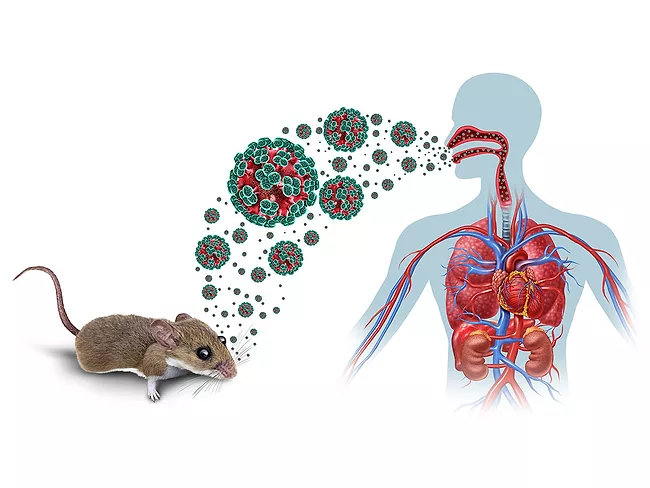
The number of cases of hantavirus infection has risen from eight to 11, following the repatriation of passengers from the cruise ship MV Hondius, with World Health Organization (WHO) Director General Tedros Adhanom Ghebreyesus warning the danger is not over. “In fact, it has entered a new phase as the passengers and crew return home,” he told attendees of a meeting at WHO’s headquarters in Geneva on May 13.
The U.K. Medicines and Healthcare products Regulatory Agency (MHRA) has opened a consultation on changes it is proposing to the legal definition of gene therapies, to reflect the advances in technology and manufacturing over the two decades since the current legislation was drawn up. The aim is to correct the mismatch between regulatory terminology and modern science, which MHRA says “can lead to uncertainty” over how a product is classified and to “inconsistent oversight and potential barriers for developers."
The initial appraisal of the first complete genome sequence of a hantavirus isolated from a patient in Switzerland who was a passenger on the cruise ship MV Hondius is consistent with a spillover from its natural reservoir, rather than the emergence of a markedly altered virus.
The initial appraisal of the first complete genome sequence of a hantavirus isolated from a patient in Switzerland who was a passenger on the cruise ship MV Hondius is consistent with a spillover from its natural reservoir, rather than the emergence of a markedly altered virus.
Scarlet Therapeutics Ltd. has demonstrated its manufactured red blood cells (RBCs) act in the same way as their natural counterparts in vivo, opening the way for the cells to be used as drug delivery vehicles and raising the possibility they could replace conventional blood transfusions. To build on this, Scarlet has closed a $4 million seed round to work on the first clinical application, in which RBCs loaded with therapeutic proteins will be used to treat rare metabolic diseases.
Italian family-owned Angelini Pharma SpA is making its first move into the U.S. market, acquiring rare diseases specialist Catalyst Pharma Inc. in an all-cash deal worth $4.1 billion. The acquisition gives Angelini ownership of three marketed drugs for treating epilepsy and neuromuscular diseases that had combined sales of $589 million in 2025, a 19.8% increase over 2024.
Privately-funded biotechs in Switzerland raised a record CHF1.15 billion (US$1.47 billion) in 2025, an increase of 38% over 2024, and 45% of the total capital raised by the sector. This was a significant advance on previous years, when private companies typically attracted about 30% of overall investment.
Next-generation T-cell engager (TCE) specialist Cytospire Therapeutics Ltd. has raised £61 million (US$82.7 million) in a series A round, equipping it to advance the lead program CYT-X300 to the clinic in the treatment of EGFR-positive solid tumors. The company’s pan gamma delta (γδ) TCEs are designed to overcome problems with cytokine release syndrome, on-target effects on healthy cells, and the excessive activation of CD3 that have occurred with earlier bispecific antibodies that bind to the CD3 receptor on T cells.
Seaport Therapeutics Inc. joined Nasdaq May 1, raising gross proceeds of $254.9 million, as its parent, Boston-based Puretech Health plc moved to exit the market, opting for a sole listing on the London Stock Exchange (LSE) in order to reduce its cost base and cut bureaucracy.