Newco Kyron Bio is showing its colors after sealing a research agreement with Servier SA, underpinning a claim that it has overcome one of the longest-running challenges of the biotech industry, and developing technology to precisely control the glycosylation of therapeutic proteins.
U.K. biopharma is working with the country’s space agency and Civil Aviation Authority (CAA) to plot a route for manufacturing biologic drugs in low earth orbit.
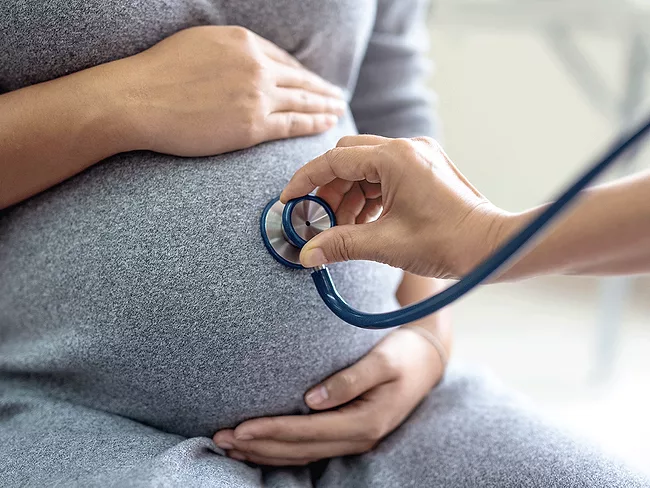
A study involving a small cohort of women who have received womb transplants has cast fresh light on how the immune system shapes pregnancy outcomes, opening up new avenues of research into implantation failure, preeclampsia and preterm birth. Using an array of single cell analyses, scientists at the University of Alabama at Birmingham (UAB) studied the composition and gene expression profiles of immune cells in tissue samples from five women who had received womb transplants.
A study involving a small cohort of women who have received womb transplants has cast fresh light on how the immune system shapes pregnancy outcomes, opening up new avenues of research into implantation failure, preeclampsia and preterm birth.
Twelve years on from the World Health Organization formally raising the alarm, antimicrobial resistance continues to grow, and despite numerous public and private incentives and initiatives, the pipeline of antibiotics in development is thinner than ever.
Ipsen SA withdrew Tazverik (tazemetostat) from the U.S. market after evidence emerged of secondary hematological malignancies in an ongoing phase Ib/III study in follicular lymphoma.
One year on from establishing the baseline on female representation in the U.K. biotech industry, the latest survey shows the “dial is stuck.” Since the first report, representation at the CEO level has crept from 18.3% to 18.7%. That is “a marginal gain that signals a plateau at a time when we need a breakthrough,” said Jane Wall, managing director of the U.K. Bioindustry Association, which compiled the statistics.
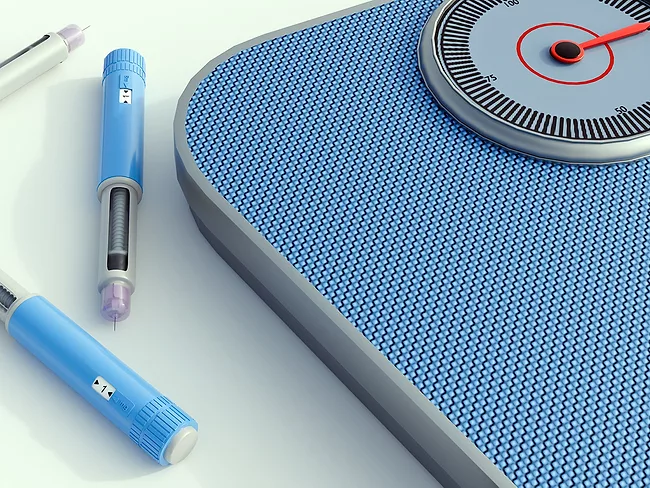
A new study has reinforced that GLP-1 receptor agonists are unlikely to produce durable weight loss, but indicates that rather than returning to the starting weight, individual weight gain will plateau at 75.5% of the weight lost.
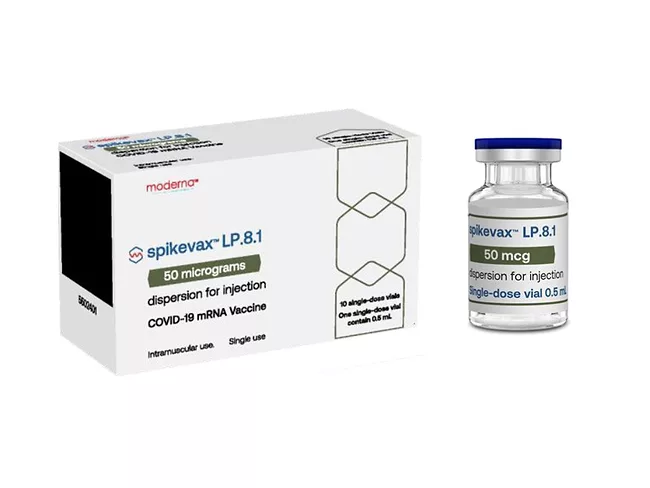
In what it says could be the largest disclosed patent settlement in the pharmaceutical industry, Roivant Sciences Ltd. has reached a potential $2.25 billion settlement with Moderna Inc. over the use of its lipid nanoparticle delivery technology in the Spikevax COVID-19 vaccine.
Quell Therapeutics Ltd. has delivered the first clinical data indicating its chimeric antigen receptor (CAR) T regulatory cell therapy, QEL-001, can enable liver transplant patients to be weaned off long-term immunosuppression.