Wall Street pushback against relaxin player Tectonic Therapeutic Inc. was sharp, but a trial design that differs could save the drug from the fate of Astrazeneca plc’s long-acting relaxin-2 analogue, AZD-3427, which the pharma giant has “removed from phase II,” where it was being tested in a trial called Re-phire, because of less than ideal efficacy.
Iambic Therapeutics Inc.’s multiyear technology and discovery pact with Takeda Pharmaceutical Co. Ltd. could help the San Diego-based firm advance its own pipeline in a big way.
Iambic Therapeutics Inc.’s multiyear technology and discovery pact with Takeda Pharmaceutical Co. Ltd. could help the San Diego-based firm advance its own pipeline in a big way.
Trumprx.gov launched with much fanfare late Feb. 5, and the online tool brings promise for the “world’s lowest prices” on prescription drugs. Alongside the website hoopla came word from Hims & Hers Health of its own steep discounts on what’s to be the compounded version of a Trumprx-featured therapy: oral Wegovy (semaglutide) for obesity. Novo Nordisk A/S, Wegovy’s originator, vowed to fight.
Amgen Inc.’s head of R&D James Bradner said his firm was “surprised” by the request from the U.S. FDA Jan. 16 to take Tavneos (avacopan) off the market – and the company said no. “We're in discussions with FDA, and we'll answer questions as we talk with them,” he added.
Another data cut from Ultragenyx Pharmaceutical Inc. regarding UX-111 (rebisufligene etisparvovec), an AAV9 gene therapy for type A Sanfilippo syndrome, continued to brighten the picture for the compound, recently taken under review again by the U.S. FDA.
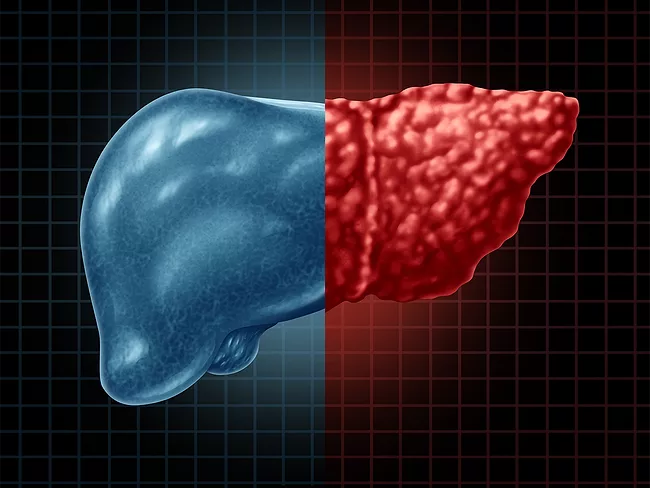
As the march toward a new therapy continues in metabolic dysfunction-associated steatohepatitis (MASH), new approaches are drawing Wall Street’s attention. Among them is Inventiva SA’s pan-PPAR approach.
More than four years after a phase II/III trial with Sanofi SA’s oral glucosylceramide synthase inhibitor venglustat was stopped for lack of benefit in autosomal dominant polycystic kidney disease, the company rolled out mixed phase III data from two more efforts.
Quince Therapeutics Inc. is scrapping work with dexamethasone sodium phosphate encapsulated in autologous erythrocytes (eDSP) for patients with ataxia-telangiectasia (A-T), and Boral analyst Jason Kolbert said “the core value driver has been effectively removed, and the equity appears fully impaired at this stage.”
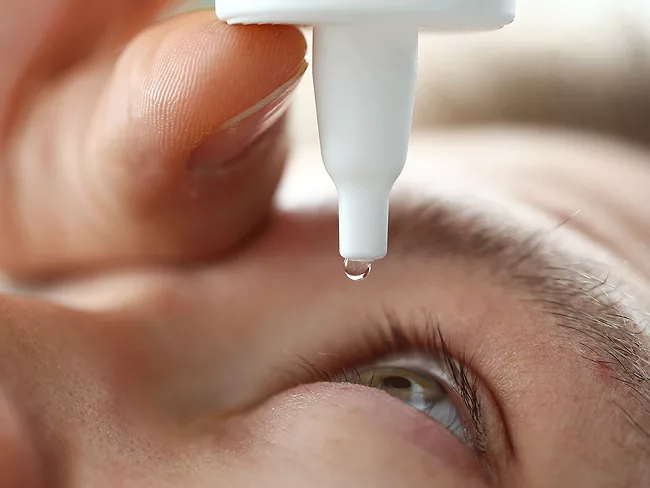
The presbyopia space gained another player as Tenpoint Therapeutics Ltd. won the U.S. FDA’s go-ahead for Yuvezzi (carbachol and brimonidine tartrate ophthalmic solution, 2.75%/0.1%, previously known as Brimochol PF), the first and only dual-agent eye drop for the treatment of adult presbyopia.