Acute pancreatitis took center stage as Wall Street took heed of phase III data from Ionis Pharmaceuticals Inc. with olezarsen for severe hypertriglyceridemia (sHTG), while another player in the space, Arrowhead Pharmaceuticals Inc., signed a sizeable deal in a separate therapeutic area with Novartis AG.
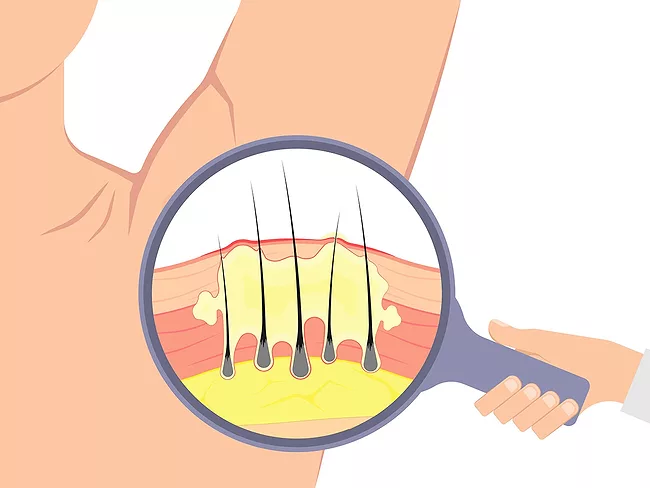
Already in the headlines plenty for their apparently broad set of benefits for patients, glucagon-like peptide 1 receptor agonists notched worth in yet another indication: hidradenitis suppurativa, the skin disease of interest to plenty of biopharma drug developers.
After Outlook Therapeutics Inc. took receipt of another complete response letter (CRL), Wall Street focused on the odds that the U.S. FDA will demand a new study with ONS-5010, or Lytenava (bevacizumab-vikg) against wet age-related macular degeneration (AMD).
Eli Lilly and Co.’s regulatory ducks are lined up nicely with the latest positive top-line results from the phase III Attain-2 trial testing orforglipron, an oral glucagon-like peptide 1 (GLP-1) receptor agonist, in adults with obesity or overweight and type 2 diabetes.
Worrisome new signals caused the U.S. FDA – which earlier this month OK’d revised labeling for Valneva SE’s chikungunya virus vaccine Ixchiq – to suspend the product’s license altogether. Regulators pointed to four added reports of serious adverse events consistent with chikungunya-like illness, and told Valneva, of Saint Herblain, France, that the company must stop U.S. shipping and sales of the product. Shares (NASDAQ:VALN) closed Aug. 25 at $9.43, down $2.21, or 19%.
Multiple datasets are due to roll out soon in the Prader-Willi syndrome (PWS) space, where contenders are trying varied mechanisms of action to tackle the rare genetic disorder characterized by insatiable hunger, or hyperphagia. In the mix are Aardvark Therapeutics Inc., Acadia Pharmaceuticals Inc., Rhythm Pharmaceuticals Inc. and Soleno Therapeutics Inc.
Celldex Therapeutics Inc. will not advance barzolvolimab (CDX-0159, barzo) in eosinophilic esophagitis (EoE) after taking a look at top-line data from the ongoing phase II effort. The study met its primary endpoint, proving barzo’s efficacy in depleting mast cells in the gastrointestinal (GI) tract, but this didn’t improve symptoms of EoE – a chronic inflammatory disease of the esophagus – which means mast cells are not a primary driver. Hampton, N.J.-based Celldex noted that barzo did turn up a favorable safety profile.
Rates of adverse events (AEs) gave pause to some on Wall Street, and shares of Viking Therapeutics Inc. (NASDAQ:VKTX) fell 42%, or $17.73, to close Aug. 19 at $24.36 after the firm reported 13-week data from the phase II trial with the oral tablet form of VK-2735, the company's dual agonist of the glucagon-like peptide 1 (GLP-1) and glucose-dependent insulinotropic polypeptide (GIP) receptors.
With the U.S. FDA clearance of the sNDA for Wegovy (semaglutide) from Novo Nordisk A/S to treat noncirrhotic metabolic dysfunction-associated steatohepatitis (MASH), Wall Street speculation deepened as to the consequences for Madrigal Pharmaceuticals Inc.’s Rezdiffra (resmetirom), a thyroid hormone receptor-beta (THR-beta) agonist that won the MASH go-ahead last year.
Elysium Therapeutics Inc. aims to tackle the problem of opioid overdose with a longer-lasting rescue agent that gets around the not-much-publicized problem of fentanyl rebound, or re-narcotization, which happens when the standard reverser wears off and the culprit drug stays active in the body, potentially killing the patient.