Glaukos Corp., of San Clemente, Calif., has taken another step forward in obtaining global market access for its Istent device for glaucoma with a positive coverage recommendation in Canada. Health Quality Ontario (HQO) has recommended that taxpayer dollars be used to cover the device in conjunction with cataract surgery, although the endorsement is limited to patients with mild to moderate glaucoma that is not well controlled with pressure-lowering medications.
The shortage of European notified bodies (NBs) for in vitro diagnostics has prompted calls from industry to delay the compliance dates for the In Vitro Diagnostic Regulation (IVDR), and the European Commission has responded with a proposed fix. The Commission proposed to give IVDs that are already on the market until May 2025 or later to obtain new CE marks, but the change requires the assent of the European Parliament and the European Council before it goes into force.
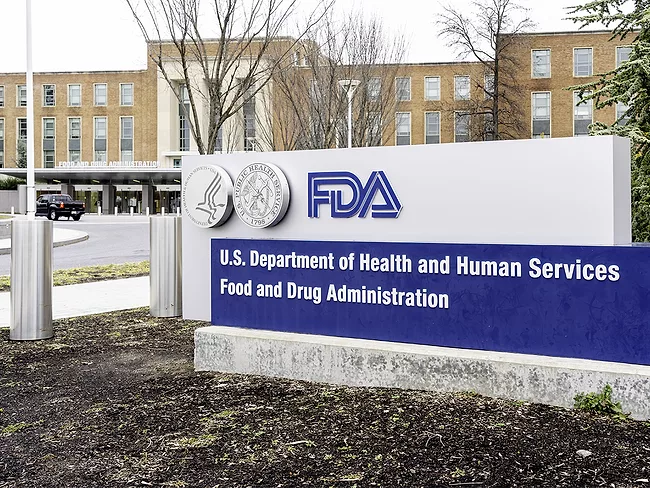
The FDA’s device center has posted a draft guidance that addresses unique device identifier (UDI) code requirements applied to low-risk products. The select update offers enforcement discretion in some instances for class I consumer health products, a switch partly justified by the exceedingly low risk presented by such products.
Device makers have argued for years that not all medical device recalls are the same, and thus the FDA should be more forthcoming with the public about the difference between a recall that is accompanied by a market withdrawal and a recall that driven by something as innocuous as a minor adjustment to the product label.
The least burdensome principle is a critical component in industry’s understanding of the proper role of government regulation, but this principle is the subject of considerable tension between the two sides. The latest report on the FDA’s performance under the fourth device user fee agreement noted that device makers raised the least burdensome flag in less than 0.5% of 510(k) submissions filed between February 2019 and April 2021, but the report gives the agency passing grades on its handling of those potentially controversial regulatory encounters.
The narrative that a little company has little chance of beating a big company in patent lawsuits doesn’t always play out in the real world, and such was the case in a dispute between Snyders Heart Valve LLC and St. Jude Medical. The U.S. Court of Appeals recently handed Snyders a win in the court’s reversal of an inter partes review (IPR) of a Snyders patent for heart valves, the second time in the past year Snyders prevailed over the larger company in a patent hearing at the Federal Circuit.
FDA preemption of state liability law has proven controversial on a number of occasions, a fact of life resurrected by a case arising out of the Supreme Court of the State of Mississippi. The court declared that the FDA must invoke the rulemaking process for its regulation of medical product labels.
The FDA’s push toward safety has included an examination of the materials used in medical devices, but a recent report sheds little useful light on whether these materials are provoking a response in patients.
The term of follow-up in clinical studies is the subject of massive speculation at FDA advisory hearings, but a recent FDA workshop suggests the agency may adjust its expectations, depending on the device. Darrell Brodke, of the University of Utah, said on a recent spinal device workshop that the two-year endpoint in some spinal device studies struck him as somewhat arbitrary, adding that a longer duration of follow-up is necessary to capture some device failures, but that two years is perhaps overly long where some other outcomes measures are concerned.
Regulatory agencies are starting to catch up on their guidance agendas, including the European Union’s Medical Device Coordination Group (MDCG), which has posted a guidance for risk classification. Rather than provide a list of risk classes for specific device types, the guidance provides a framework by which the manufacturer does its own evaluation of the inherent risk of the device, opening the door to disagreements between the manufacturer and its notified body.