India is home to just one of several regulatory entities that have overhauled their med-tech regulatory apparatus in recent years, but the Central Drugs Standard Control Organization (CDSCO) has also joined the COVID-19 regulatory delay club as well.
Entities that lack experience in FDA regulation of medical devices may find the going both expensive and time consuming, but there are resources available to these players in the digital health space. Bakul Patel, director of the Digital Health Center of Excellence at the FDA’s device center, said that while he understands that reading through agency guidance is an unpleasant task, the companies that take the time to do so may find their interactions with the agency less iterative and more productive, thus speeding their path to market.
Arthrex Inc., of Naples, Fla., is well known for lobbing a legal hand grenade into the inter partes review (IPR) process for patent disputes, but the company is now drawing ink for a different legal reason. According to the U.S. Department of Justice (DoJ), Arthrex has agreed to pay $16 million to settle allegations that it engaged in kickbacks to a surgeon, payments ostensibly made to pay for assistance with device design, but which the DoJ claims were intended to induce the surgeon’s use and endorsement of Arthrex products.
The U.S. Centers for Medicare & Medicaid Services (CMS) has withdrawn the proposal to provide automatic Medicare coverage of FDA breakthrough devices, but the proposal may not be as dead as it once seemed.
Catheter-based delivery of replacement valves is established practice for patients with aortic regurgitation, but the mitral valve has only repair devices to address this condition. However, transcatheter mitral valve replacement (TMVR) devices by Dublin-based Medtronic plc., and triscupid valve replacement devices by Edwards Lifesciences Inc. of Irvine, Calif., made some noise at this year’s edition of Transcatheter Cardiovascular Therapeutics (TCT), suggesting that these patients might soon have a wider range of options.
The U.K. National Institute for Health and Care Excellence said in a new health technology assessment that cardiac resynchronization devices using the Enduralife battery by Boston Scientific Corp. (BSX), are ready for prime time in the U.K. national health system.
Despite the morbidity associated with coronary artery bypass graft, this procedure has never been entirely displaced by percutaneous coronary intervention. The results from the latest in a series of studies does not seem to help the case for drug-eluting stents (DES) for patients with three-vessel disease, as the data from this study failed to demonstrate non-inferiority for DES devices implanted with the help of fractional flow reserve measurement to ensure optimal stent placement.
The U.S. CMS waded into controversy with two final rules calendar year 2022, drawing fire from device makers and doctors who allege that cuts in rates for physicians will hamper beneficiary access. Software developers working in the telehealth space will find much to cheer, however, given that some telehealth services that were covered during the COVID-19 pandemic will be covered after the pandemic has passed.
The FDA convened a Nov. 2 advisory panel to review the data for the AFX2 by Endologix LLC, of Irvine, Calif., with some indication that the agency believes the data suggest a poor benefit-risk ratio when used in treatment of abdominal aortic aneurysms (AAAs). The panel concluded that the benefits of the device do outweigh the risks for some patients, although the applicable patient population is likely to be smaller than is currently seen in clinical practice.
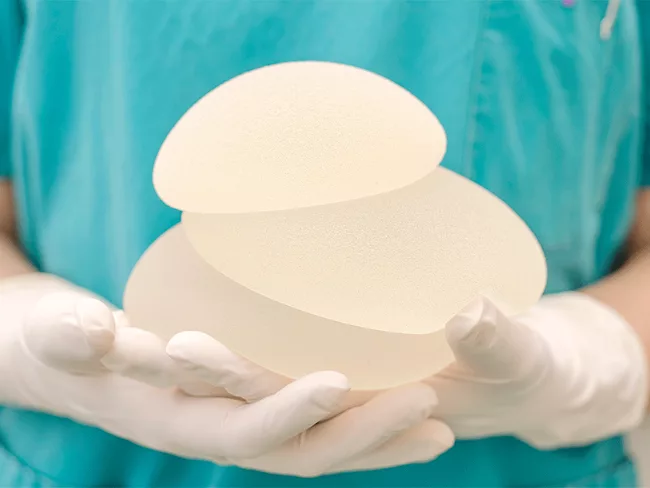
The U.K. Medicines and Healthcare products Regulatory Agency (MHRA) has issued an advisory regarding the risk of anaplastic large cell lymphoma (ALCL) in association with breast implants, but stopped short of recommending explant for asymptomatic patients.