The FDA’s Center for Devices and Radiological Health (CDRH) will have its hands full with the roll-out of the overhauled quality management regulation, but this will have ripple effects on industry as well. Keisha Thomas, associate director for compliance and quality at CDRH, told an audience in Washington DC that risk management will be a big focus in FDA oversight and inspections in 2026, a point of emphasis that could lead to more routine compliance and enforcement action.
Sen. Bill Cassidy, R-La., who chairs the Senate Health, Education, Labor and Pensions Committee, released another letter to the American Medical Association regarding the activities of the AMA committee for CPT coding activities.
The U.S. Centers for Medicare & Medicaid Services has posted the home health final rule for calendar year 2026 and has established a framework for competitive bidding for products such as continuous glucose monitors, a move that is struggling to find support among stakeholders.
The U.K. National Institute for Health and Care Excellence announced an increase in the cost effectiveness thresholds for its health technology assessment program, but this new threshold falls far short of where the figure should be when adjusting for inflation.
The Office of Inspector General issued a report stating that the Medicare program could save “tens of millions of dollars” in a single year on continuous glucose monitors and associated supplies if the Centers for Medicare & Medicaid Services acted to apply price pressure on suppliers.
The U.S. Centers for Medicare & Medicaid Services will cover certain cardiac electrophysiology procedures in ambulatory surgical centers in 2026. This change which drew the support of both the Heart Rhythm Society and the American College of Cardiology, which could increase device utilization.
The Advanced Research Projects Agency for Health (ARPA-H) is taking aim at the shortage of medical services with a program designed to foster development of micro-robots, or microbots, which will autonomously conduct part or all of a variety of surgical procedures.
The U.S. Centers for Medicare & Medicaid Services ended the Treatment Choices model under the end stage renal disease payment payment system for several reasons, including its failure to deliver meaningful savings.
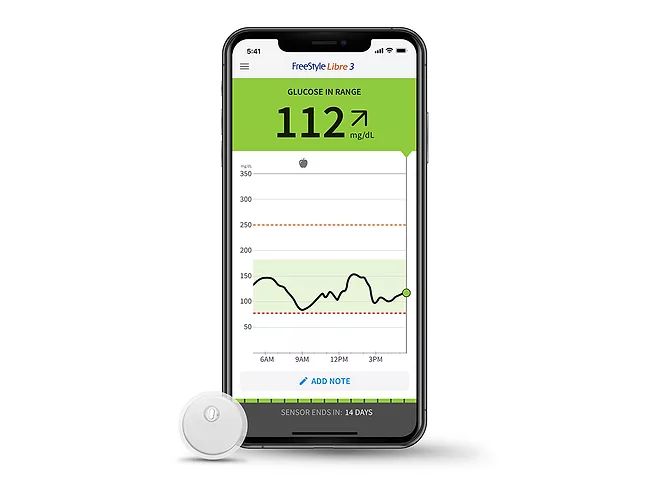
Abbott Laboratories announced a recall of Freestyle Libre 3 and Libre 3 Plus sensors used in continuous glucose monitors after receiving reports of more than 700 injuries and seven fatalities that may be associated with the sensor malfunction. The company did not describe the nature of the malfunction let alone a root cause, but said the affected product comes from only one of three production lines, and thus it expects no shortages associated with the recall.
The U.S. Centers for Medicare & Medicaid Services released the 1657-page final rule for inpatient payment for calendar year 2026, a document chock full of important policy decisions including a renewed call for elimination of the inpatient-only list.