Cytomx Therapeutics Inc. and Regeneron Pharmaceuticals Inc., which inked a bispecifics-focused collaboration worth up to $2 billion in 2022, agreed to broaden their efforts in an expanded deal that provides Cytomx with additional funding up front as it advances its promising colorectal cancer candidate, varsetatug masetecan (Varseta-M), and fills the gap left by the recently terminated agreement with Astellas Pharma Inc.
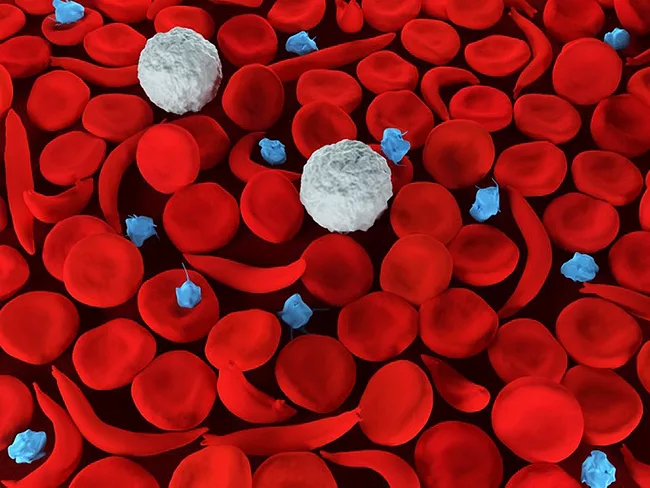
Shares of Fulcrum Therapeutics Inc. (NASDAQ:FULC) fell 54% after the company said it is discontinuing work on sickle cell disease (SCD) candidate pociredir, its only clinical-stage candidate, and reviewing strategic alternatives in the wake of the U.S. FDA’s safety concerns regarding the drug target.
The much-awaited phase III readout from Oculis Holding AG’s OCS-01 in diabetic macular edema (DME) fell short of expectations, delaying the possibility of a topical eye drop option for DME patients and prompting the company to shuffle its pipeline priorities, with a focus on late-stage programs targeting optic neuropathies and dry eye disease.
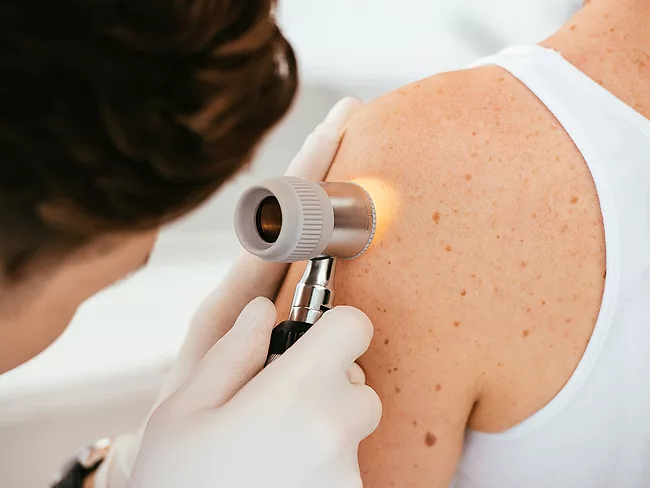
Industry watchers will be tracking closely Replimune Group Inc.’s latest attempt to secure U.S. FDA approval of its advanced melanoma candidate, RP-1 (vusolimogene oderparepvec). The company announced Friday it had reached alignment for resubmitting the twice-rejected BLA with the agency, which it said has pledged to prioritize the review.
Shares of Immunovant Inc. (NASDAQ:IMVT) gained 35% after the firm disclosed early but “compelling” data from a phase IIb study testing next-generation FcRn inhibitor IMVT-1402 in patients with difficult-to-treat rheumatoid arthritis (D2T RA), including those whose disease has persisted despite treatment with TNF and JAK inhibitors.
Patients on antihypertensive medications who still struggle with high blood pressure now have a new treatment option, following the U.S. FDA’s approval of Astrazeneca plc’s baxdrostat. Branded Baxfendy, the drug is a first-in-class aldosterone synthase inhibitor, though it could be joined soon by potential competitor Mineralys Therapeutics Inc., which has a December 2026 PDUFA date for its aldosterone synthase inhibitor, lorundrostat.
If the recent hantavirus outbreak wasn’t enough to keep public health officials busy, a new Ebola virus disease outbreak has been confirmed by authorities in the Democratic Republic of the Congo. While sequencing is ongoing to identify the Ebola species, experts have noted early results suggesting it appears to be different from the Zaire species that has caused previous outbreaks, including the deadliest outbreak in West Africa a decade ago, meaning existing vaccines and antibody treatments likely will not be effective.
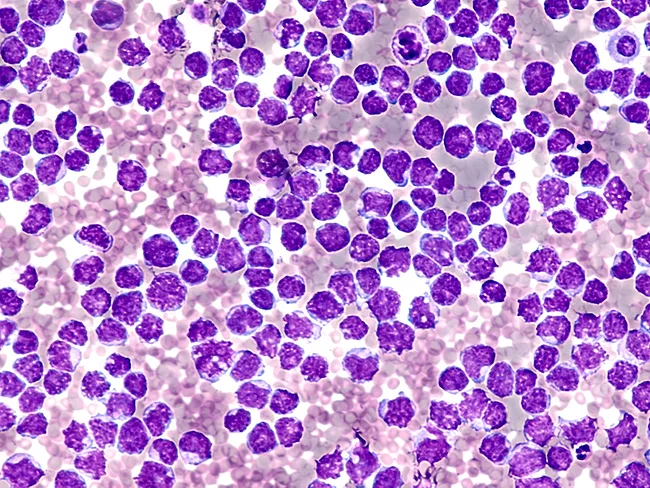
A few months after winning its first regulatory clearance in China, Beone Medicines Inc.’s next-generation BCL2 inhibitor, sonrotoclax, gained the U.S. FDA’s accelerated approval for use in patients with relapsed or refractory mantle cell lymphoma (MCL) following treatment with a BTK inhibitor. The therapy, branded Beqalzi, marks the first BCL2-targeting drug for MCL in the U.S., but the company has pointed to a bigger opportunity in the potential combination with blockbuster BTK drug Brukinsa (zanubrutinib).
Shares of MBX Biosciences Inc. hit a 52-week high on preliminary phase I data for its MBX-4291, a GLP-1/GIP co-agonist prodrug for obesity. Though early and still blinded, findings from the trial showed promising efficacy, along with good tolerability and the potential for once-monthly dosing, factors that will likely be critical for MBX to compete in the crowded obesity space.
In its first substantial M&A transaction since 2021, Bayer AG is buying Perfuse Therapeutics Inc., a firm that has operated quietly, though it reported positive midstage data last year for PER-001, an endothelin antagonist, in glaucoma and diabetic retinopathy.