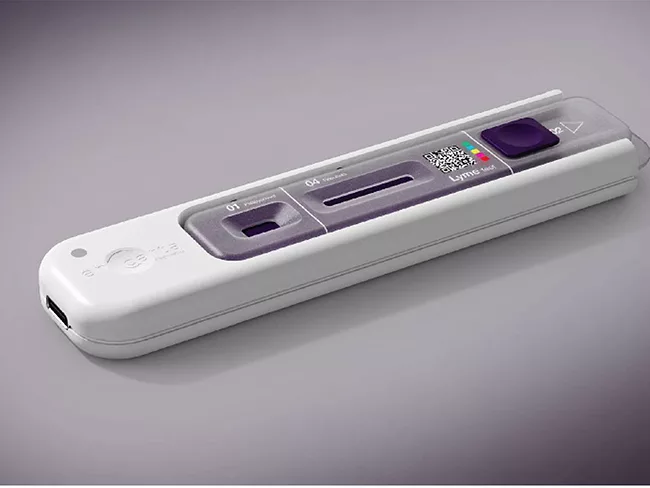
En Carta Diagnostics SA's EC Pocket Lyme received FDA breakthrough device designation for its rapid, molecular diagnostic test for the early detection of Borrelia bacteria, which causes Lyme disease. The designation marks a pivotal step for the French startup as it will enable closer interaction with the agency, accelerating its route to market, and getting it to patients sooner.
Samantree Medical SA is the latest med-tech company to secure financing from the European Investment Bank, highlighting the bank’s commitment to supporting key medical technologies across the continent. The company received a €20 million (US$23.95 million) loan which will go towards accelerating the development and commercialization of its Histolog Scanner, which allows surgeons and pathologists to visualize large, fresh tissue samples in real-time with high resolution and accuracy.
Epidarex Capital secured more than $145 million in commitments in the first close of its fourth fund to invest in early-stage therapeutics and medical device companies. The new capital will support up to 15 companies, across the U.K. and U.S., which are focused on oncology, cardiovascular, autoimmune and neurological conditions.
Highlife SAS secured CE mark for its transcatheter mitral valve replacement (TMVR) system, bringing a much needed treatment option for patients with limited alternatives. The Highlife TMVR system is indicated for individuals with symptomatic moderate-severe or severe mitral valve regurgitation who are unsuitable for surgical repair or replacement and transcatheter edge-to-edge repair.
Researchers have developed an AI-based wearable device, called Revoice, to help individuals communicate effectively after a stroke. The system, worn around the neck, uses sensors to capture carotid pulse signals and subtle vibrations from throat muscles to reconstruct intended words and sentences in real time, potentially transforming the lives of stroke patients living with dysarthria.
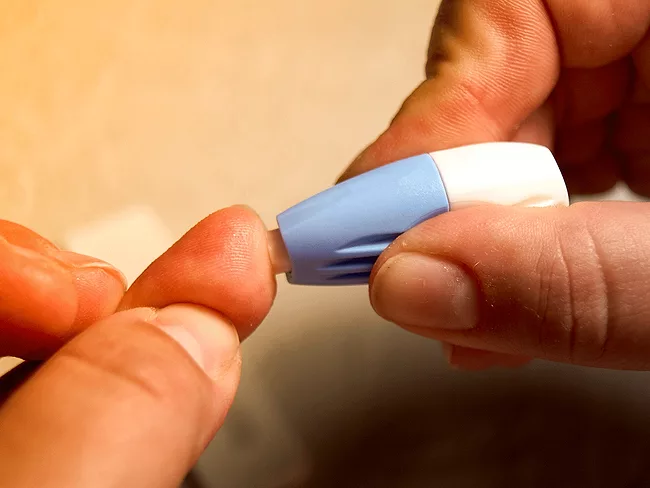
A team of international researchers is investigating whether a finger-prick blood test could be used to help diagnose Alzheimer’s disease before symptoms appear. With current diagnostic methods relying on expensive brain scans and invasive lumbar punctures, the trial is exploring whether the simple test could offer a faster, cheaper, and more accessible route to identifying the disease.
Boston Scientific Corp.’s intent to acquire Penumbra Inc. for $14.5 billion will not only allow it to expand its minimal invasive care portfolio in areas such as embolization and peripheral vascular disease, but to also reenter the neurovascular space, Kathleen Van Vlierberghe, vice president of Peripheral Interventions EMEA, told BioWorld.
Investors continue to pour capital into AI-driven health care technologies, from drug discovery and diagnostics to personalized medicine and clinical decision-support tools. However, there remain issues with the quality and reliability of the data underpinning these systems, as well as the viability of their business model.
As the momentum and interest in brain-computer interface (BCI) technologies continue to accelerate, Merge Labs has emerged with an investment from OpenAI in its seed round. Merge Labs says it plans to develop next-generation BCIs capable of interacting with the brain at high bandwidth, integrating with advanced AI, and doing so in ways that are safe and accessible to everyone.
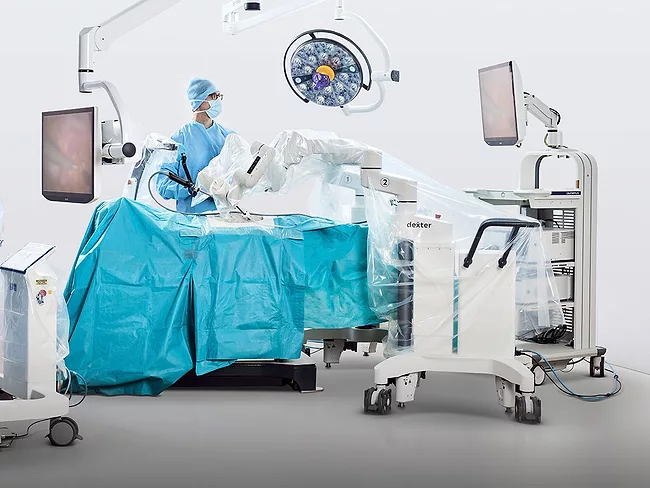
Distalmotion SA recently secured a strategic investment from Johnson & Johnson for its robotic-assisted surgical system Dexter, amid an increase in demand from ambulatory surgery centers for such platforms. The deal follows Distalmotion’s $150 million in a series G financing, and coincides with J&J’s recent submission of its own robotic surgical system, Ottava, to the U.S. FDA., for clearance.