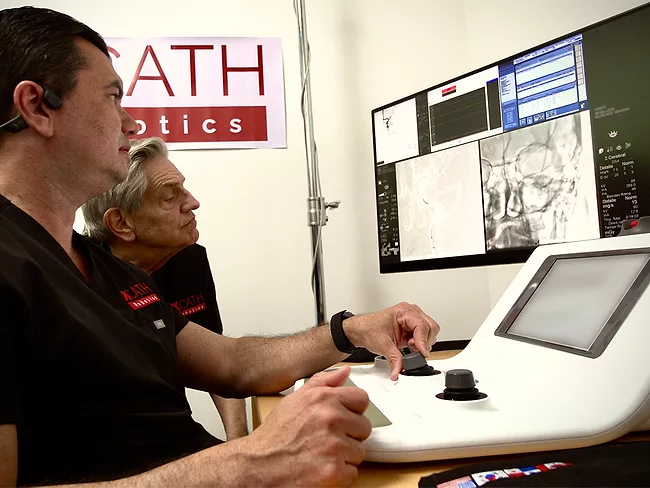
As robotic-assisted surgery platforms increasingly demonstrate that they can perform telesurgery safely, the question now is how soon remote operations will become part of routine clinical care. Eduardo Fonseca, CEO of Xcath Robotics Inc., reckons that within a decade the company’s Iris Surgical Robotic System could be in widespread use.
Medtronic plc has lowered its fiscal year 2026 earnings per share (EPS) guidance by 12 cents on the back of factors relating to its diabetes subsidiary, Minimed Group Inc., which recently completed its IPO.
Endogenex Inc. has raised $50 million in an extension to its series C financing round to fund the completion of its pivotal Recet clinical study, which is evaluating the use of the company’s non-thermal pulsed electric field system for remodeling the duodenal tissue in adults with type 2 diabetes. The new capital will also be used to support the company's regulatory pathway toward U.S. FDA approval.
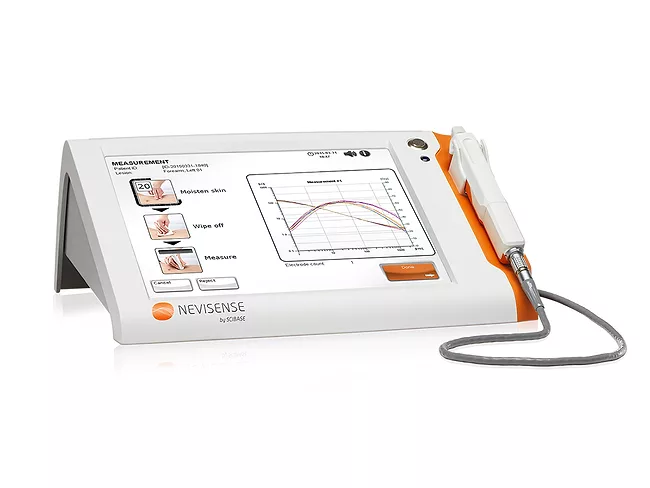
The U.S. FDA has issued a final order to reclassify optical diagnostic devices for melanoma detection and electrical impedance spectrometers from class III to class II, with special controls required.
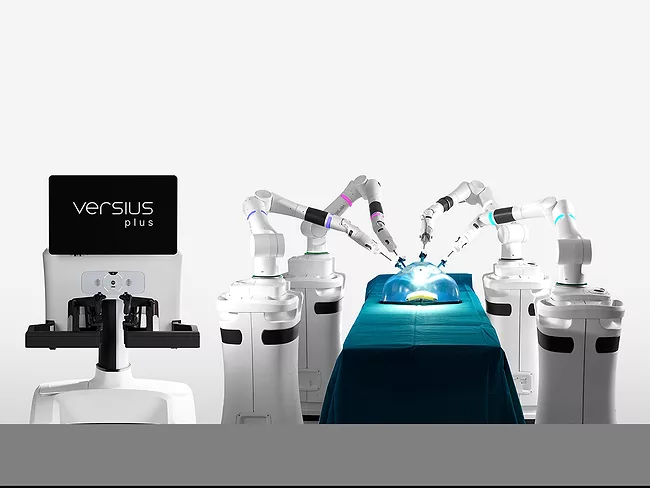
CMR Surgical Ltd.’s participation in Nvidia’s Physical AI health care robotics initiative is expected to accelerate the development of the next generation of intelligent surgical robotic systems powered by data, simulation and AI. As demand for minimally invasive procedures grows, more companies are entering the surgical robotics space.
With incidence of kidney cancer rising in the U.K., the National Institute for Health and Care Excellence (NICE) published its first comprehensive guidelines for diagnosing and treating the disease.
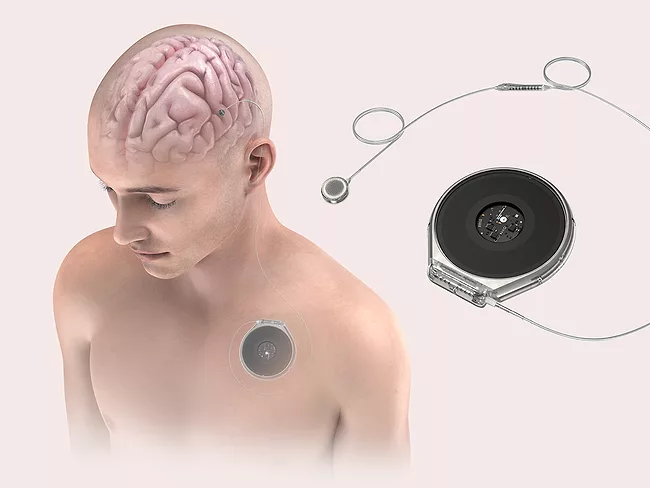
As the development of brain-computer interface (BCI) technologies gain momentum, Paradromics Inc. is building an ecosystem to enable collaboration between the company and academic researchers.
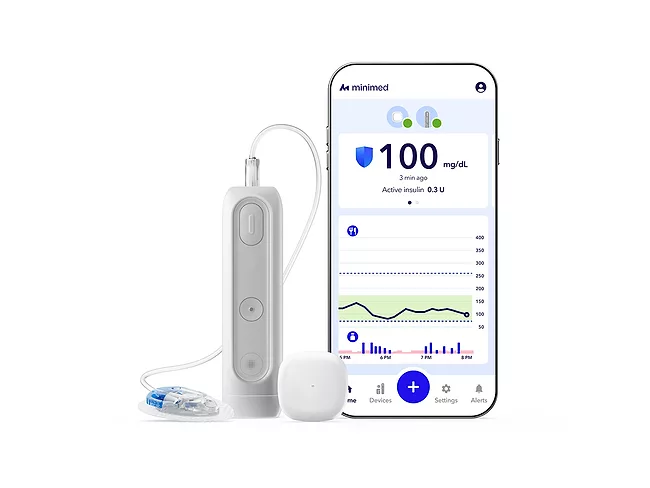
Minimed Group Inc. secured U.S. FDA approval for Minimed Flex, its next-generation discreet, smartphone-controlled insulin pump. The nod from the FDA follows the company’s debut on Nasdaq March 6. About half the size of the Minimed 780G pump and roughly the size of two stacked insulin vials, the screenless pump was designed in collaboration with people living with diabetes to offer a more intuitive, lifestyle‑friendly way to manage the condition.
Embecta Corp. agreed to acquire Owen Mumford Holdings Ltd. for up to £150 million (US$200 million) in a bid to boost its drug-delivery platforms and medical device technologies. Specifically, the deal will bring to Embecta’s portfolio Owen Mumford’s Aidaptus autoinjector, a two-step, single use platform designed to accommodate both 1-mL and 2.25-mL prefilled glass syringes in the same base device.
Imperative Care Inc. secured $100 million through an oversubscribed convertible note financing round to support commercialization of its stroke and vascular thrombectomy technologies. The round was co-led by new investors Elevage Medical Technologies and Perceptive Advisors alongside existing investor Catalio Capital Management LP. Also participating were new backers Longaeva Partners LP and Brown Advisory, with continued support from existing investors, including Ally Bridge Group and Bain Capital Life Sciences.