GC Biopharma Corp. will buy plasma collector Abo Holdings Inc. in a ₩138 billion (US$96.28 million) cash acquisition as the vaccine and plasma-derived medicinal products developer works to accelerate entry of Alyglo (IVIG-SN 10%) in the U.S., where it was approved last year.
SK Biopharmaceuticals Co. Ltd. and Proen Therapeutics Co. Ltd. joined hands in a research collaboration to advance up to two preclinical small protein-based radiopharmaceuticals by 2027 – the year SK Biopharmaceuticals aims to “become a leading radiopharma player” worldwide.
Newron Pharmaceuticals SpA scored €44 million (US$46.26 million) up front in a potential €117 million licensing deal with EA Pharma Co. Ltd. to pad the clinical runway of its late-stage oral schizophrenia asset, evenamide (NW-3509), sending company stock prices up near 20%.
GC Biopharma Corp. will buy plasma collector Abo Holdings Inc. in a ₩138 billion (US$96.28 million) cash acquisition as the vaccine and plasma-derived medicinal products developer works to accelerate entry of Alyglo (IVIG-SN 10%) in the U.S., where it was approved last year.
SK Bioscience Co. Ltd. gained approval from the Human Research Ethics Committee in Australia to start phase I/II trials of GBP-560, its mRNA-based vaccine candidate for mosquito-borne Japanese encephalitis virus, with funding from Coalition for Epidemic Preparedness Innovations.
Stereotaxis Inc. and Chinese partner Shanghai Microport EP Medtech Co. Ltd. gained the National Medical Products Administration’s approval of its Magbot magnetic navigation ablation catheter Dec. 9 for use with Stereotaxis’ robotic ablation system to treat drug-resistant cardiac arrhythmias in China.
Following its $60 million investment in Axiom Space Inc. last year, Boryung Co. Ltd. made a $10 million private placement in Intuitive Machines Inc. to grow its pharmaceutical R&D reach in outer space.
Beijing Hanmi Pharm. Co. Ltd. broke ground on a ₩140 billion (US$98.65 million) large-scale project to build a near-500,000-square-foot China base near Beijing Capital International Airport in efforts to increase the company’s local production, R&D and office capabilities.
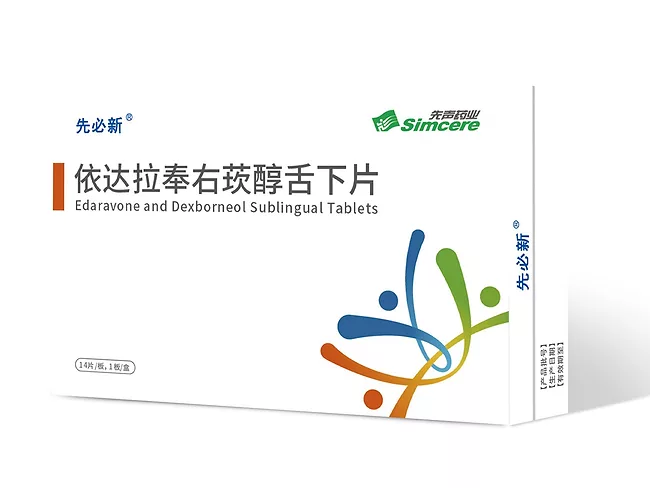
China’s National Medical Products Administration (NMPA) granted new approvals to several Chinese biopharmaceuticals this week, including expanding indications of four different cancer drugs and clearing one sublingual tablet for stroke.
Four Chinese biopharmaceuticals unveiled early data on respective cancer therapies at the American Society of Hematology (ASH) 2024 meet in San Diego, including Cstone Pharmaceuticals Co. Ltd.’s receptor tyrosine kinase-like orphan receptor 1 (ROR1)-inhibiting antibody-drug conjugate (ADC) in phase I study for lymphomas.