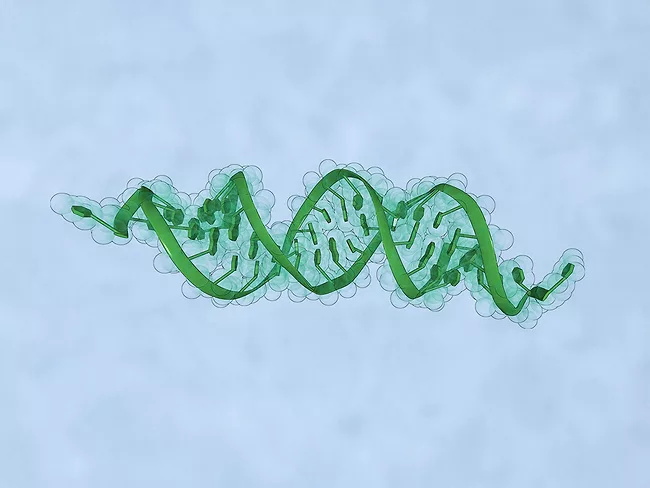
GSK plc will pay Frontier Biotechnologies Inc. $40 million up front and up to $963 million in milestone payments to license two of Frontier’s small interfering RNA-based assets in the field of immunology.
GSK plc is paying $950 million cash to acquire 100% of 35Pharma Inc.’s equity and pipeline, including phase II-ready candidate HS-235 for pulmonary hypertension. The acquisition agreement comes a day after GSK added two small interfering RNA assets from Nanjing, China-based Frontier Biotechnologies Inc. through a license deal reaching up to $1 billion.
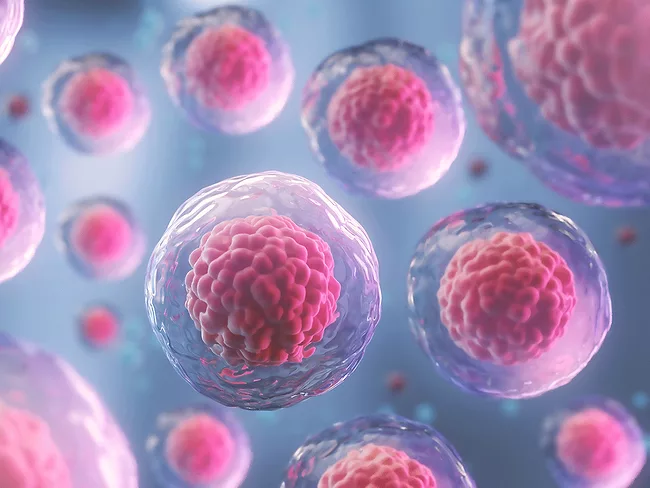
Innovacell Inc. launched a ¥14.16 billion (US$91.2 million) stock sale on the Tokyo Stock Exchange Feb. 24, ending a near two-year lull of biotech listings in Japan while signaling a dynamic year ahead for cell-based therapeutics.
Swiss pharmaceutical giant Novartis AG is selling off its India-listed business unit, Novartis India Ltd. (NIL), to a private equity-led consortium for about ₹14.46 billion (US$159.3 million) as it seeks to grow with “pure-play innovation.”
Japan is backing conditional approvals of Amchepry (raguneprocel, Sumitomo Pharma Co. Ltd./Racthera Co. Ltd.) and Reheart (Cuorips Inc.), positioning them to become the world’s first induced pluripotent stem cell-derived (iPSC) therapies to receive regulatory clearance.
The U.S. FDA accepted, with priority review, Takeda Pharmaceutical Co. Ltd.’s NDA submission for oveporexton (TAK-681), bringing the oral orexin receptor 2 agonist closer to clearance in narcolepsy type 1.
Swiss pharmaceutical giant Novartis AG is selling off its India-listed business unit, Novartis India Ltd. (NIL), to a private equity-led consortium for about ₹14.46 billion (US$159.3 million) as it seeks to grow with “pure-play innovation.”
Japan is backing conditional approvals of Amchepry (raguneprocel, Sumitomo Pharma Co. Ltd./Racthera Co. Ltd.) and Reheart (Cuorips Inc.), positioning them to become the world’s first induced pluripotent stem cell-derived (iPSC) therapies to receive regulatory clearance.
Agios Pharmaceuticals Inc. is preparing to present a mixed bag of phase III Rise Up data to the U.S. FDA in hopes of “full approval” for mitapivat in sickle cell disease (SCD), which would make it its third indication in rare hematology.
Viking Therapeutics Inc. said after-market hours Feb. 11 that it plans to advance its oral dual GLP-1/GIP receptor, VK-2735, into a phase III trial for obesity in the third quarter of 2026. VK-2735 is a novel dual glucagon-like peptide-1 and glucose-dependent insulinotropic polypeptide (GLP-1/GIP) receptor agonist.