Four years after Bristol Myers Squibb Co.’s (BMS) $1.85 billion investment in Nektar Therapeutics Inc., the pair’s collaboration has stumbled mightily with a phase III failure. A first analysis their melanoma study, PIVOT IO-001, showed it missed three primary endpoints. The study of interleukin-2-targeting NKTR-214 (bempegaldesleukin) combined with Opdivo (nivolumab) compared to Opdivo monotherapy as a first-line treatment for previously untreated, unresectable or metastatic melanoma did not meet the primary endpoints of progression-free survival and objective response rate.
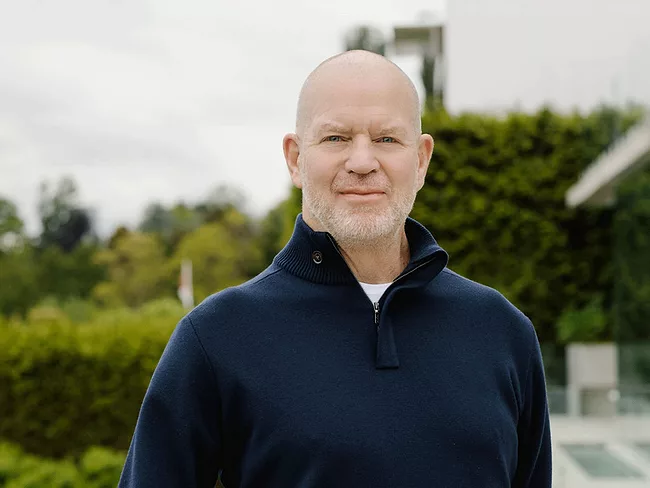
Lululemon founder Chip Wilson has chipped in $100 million to prime the pump for finding a cure to the rare form of muscular dystrophy that has hampered him for the past 35 years. He’s got more than a monetary stake in the donation. The 67-year-old entrepreneur suffers from facioscapulohumeral muscular dystrophy type 2 (FSHD) and just launched Solve FSHD to find a cure.
Rather than focus on making one drug at a time, Creyon Bio Inc. is taking its more than $40 million in seed and series A financing to build its platform to understand the genetic roots of disease and then create precision medicines. Creyon is creating datasets to engineer RNA-based and single-stranded oligonucleotide-based medicines (OBMs) in addition to DNA and RNA editing systems. Those datasets are tailored to deliver models that create OBMs that are safe and effective for treating both common diseases and rare diseases.
A patient’s death has caused the FDA to place a partial clinical hold on Alpine Immune Sciences Inc.’s phase I study NEON-2 in adults with advanced malignancies.
To counter the worldwide growth of antimicrobial resistance, a subject of worldwide concern but little actual progress, Arrepath Inc. has raised a $20 million seed financing to advance its machine learning-based platform for discovering new classes of anti-infectives.
After two years of developing its platform, Vesalius Therapeutics Inc. now has $75 million in its pocket from Flagship Pioneering to understand and treat the diseases that account for 90% of the world’s illnesses. To resolve this massive amount of biological and industry complexity, Doug Cole, Vesalius’ chairman and co-founder and Flagship’s managing partner, noted the distinction between illness and disease. “Illness is what bothers you, it’s the experience of being sick and what the doctor might find when you’re examined,” Cole told BioWorld. “Disease is the mechanistic problem with the biology underlying the illness.”
Despite Reata Pharmaceuticals Inc.’s complete response letter (CRL) for bardoxolone in treating kidney function loss in those with Alport syndrome, the street treated the company well on Feb. 28.
After years of turbulent development that included a clinical hold, a COVID-19 stumble, a withdrawn approval application and an extended PDUFA date, the FDA has approved CTI Biopharma Corp.’s Vonjo (pacritinib) for treating the bone marrow cancer myelofibrosis.
Despite Reata Pharmaceuticals Inc.’s complete response letter (CRL) for bardoxolone in treating kidney function loss in those with Alport syndrome, the street treated the company well on Feb. 28. The stock (NASDAQ:RETA) rose 25.3% as the company decides how it wants to handle the CRL.
Following an FDA advisory committee’s guidance in December that unanimously concluded the benefits of Reata Pharmaceuticals Inc.’s bardoxolone methyl do not outweigh the risks in treating a rare kidney disease, the FDA issued the company a complete response letter (CRL).