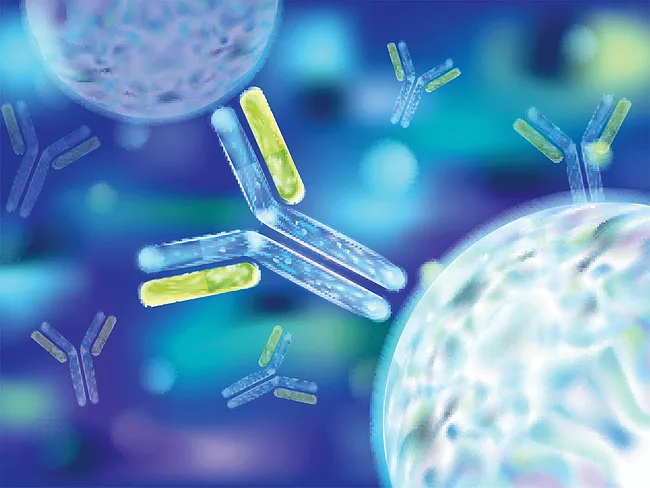
After more than two decades of working together, Genmab A/S has entered a new licensing agreement with Scancell Holdings plc to gain the exclusive rights to develop and commercialize an anti-glycan monoclonal antibody. All potential disease areas except cell therapy applications are on the table in the deal. Genmab will make an up-front payment of an undisclosed amount to Scancell as well as covering milestone payments of up to $208 million for each candidate that’s developed and commercialized. The amount is capped at $624 million to Scancell if Genmab manages to develop and commercialize products across all modalities the companies have defined. Scancell could also receive single-digit royalties on the net sales of products.
A second death in the study of davoceticept (ALPN-202) has prompted Alpine Immune Sciences Inc. to stop enrolling participants in two phase I studies of the CD28 co-stimulator and dual checkpoint inhibitor, throwing the program’s future into doubt.
In its first oncology licensing collaboration, Hookipa Pharma Inc. is partnering with Roche Holding AG to develop an arenaviral for treating KRAS-mutated cancers. Roche will pay $25 million up front to Hookipa, which could ultimately bring in about $930 million in milestone-based payments as part of the deal.
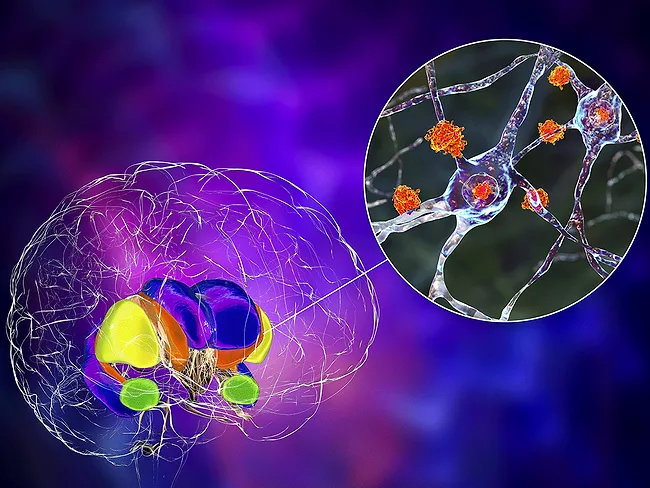
The U.S. FDA wants more data on PTC-518 before PTC Therapeutics Inc.'s phase II study of Huntington’s disease can continue enrollment. While stopped in the U.S., the study of the oral, small-molecule splicing modifier still is enrolling participants at sites in several European countries and in Australia.
The volatile gene therapy space is getting a boost with Eli Lilly and Co.’s acquisition of Akouos Inc., which only a month before had received the first IND from the U.S. FDA for an adeno-associated virus (AAV)-based hearing loss treatment. Lilly plans to pay about $610 million for the company to get at AK-OTOF, Akouos’ lead candidate for treating hearing loss due to mutations in the otoferlin gene.
It’s been a rough year at Macrogenics Inc., but times may be changing. Having terminated a phase II study due to fatalities, dropped 15% of its workforce and closed research and manufacturing sites in the past year, the company has taken the helping hand of Gilead Sciences Inc. The pair have agreed to develop the bispecific MGD-024, which has a CD3 component for minimizing cytokine release syndrome, as an oncology candidate along with two additional bispecific research programs, a potential treatment for certain blood cancers, including acute myeloid leukemia and myelodysplastic syndromes.
Relmada Therapeutics Inc. is scratching its collective chin as it sifts through data from the failed phase III Reliance III study of REL-1017 (esmethadone) in treating major depressive disorder (MDD). A higher-than-expected placebo response, however, prompted the company to label the study’s results as “paradoxical.”
It was a busy day at Moderna Inc. as Merck & Co. Inc. exercised its option to jointly develop and commercialize a personalized cancer vaccine with Moderna in a deal the two companies inked in 2016. Moderna also notched another emergency use authorization (EUA) for its COVID-19 vaccine, this one targeting the omicron variant, for use by those under age 18.
The next stop for Albireo Pharma Inc. is chats with the U.S. FDA and the EMA following positive phase III data for Bylvay (odevixibat) in treating the rare disease Alagille syndrome. Should Bylvay, a nonsystemic ileal bile acid transport inhibitor, be approved for the indication, it would be the second approval. It was greenlighted by the FDA in 2021 for treating pruritus in progressive familial intrahepatic cholestasis.
In its case to a U.S. FDA advisory committee, the Center for Drug Evaluation and Research makes no bones about its dislike of Makena, (17-hydroxyprogesterone caproate), a drug for preventing miscarriages. It simply doesn’t work, the group maintains.