
Sponsored content
Why introduce endobariatrics
into a surgical department
Written by Michael A. James PhD with input from Jamie Kelly (BSc BM MRCS FRCS, GEN SURG) Consultant Upper GI & Bariatric Surgeon, University Hospital, Southampton

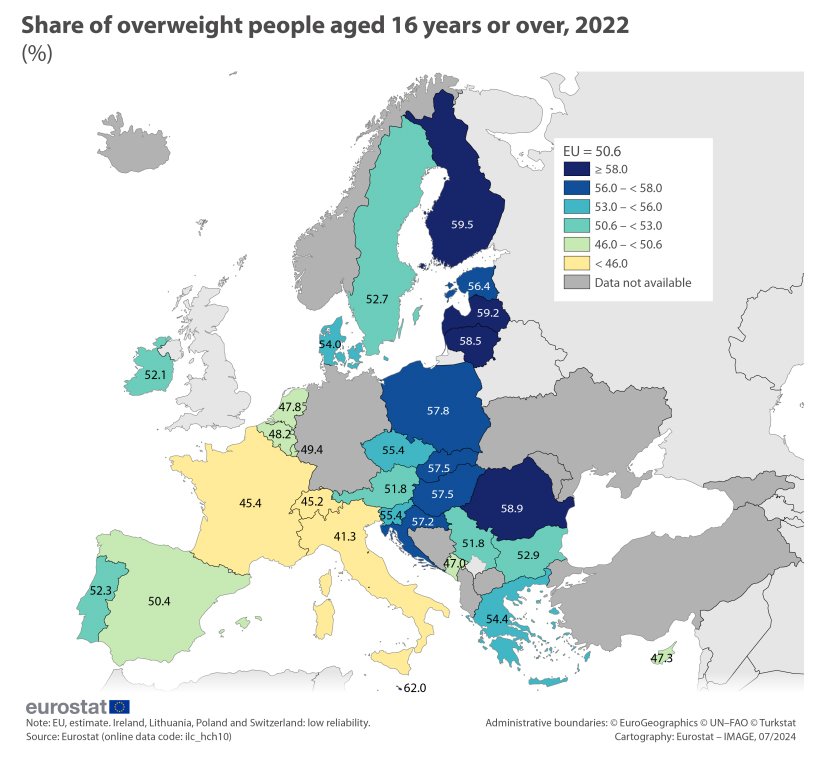
The introduction of endobariatric procedures into a surgical department represents a strategic evolution in the management of obesity, offering a complementary and often transformative approach to traditional bariatric surgery. With obesity rates continuing to rise globally, the demand for effective, minimally invasive weight loss solutions has never been greater. Endobariatrics, which includes procedures such as Endoscopic Sleeve Gastroplasty (ESG), involving suturing to reduce gastric volume; intragastric balloon placement; and transoral outlet reduction (TORe), involving suturing to reduce the size of the gastric outlet, provides a versatile portfolio of treatments that can address the diverse needs of patients who may not be candidates for or willing to undergo traditional bariatric surgery.[1,2] By integrating endobariatrics into a surgical department, healthcare providers can expand their treatment offerings, improve patient outcomes, and enhance the overall efficacy of their weight loss programs.
Expanding treatment options for diverse patient needs
Endobariatrics caters to a wide range of patients, each with unique needs and preferences. One key demographic includes people living with obesity who are frustrated with self-management through diet and exercise alone but on the other hand don’t accept surgery as viable or option or they are not eligible for surgery. Despite their best efforts, many patients struggle to achieve sustainable weight loss.[3] For these patients, endobariatric procedures offer a structured, medically supervised intervention that can jumpstart weight loss and provide the necessary support for long-term success.[4]
Another group that may benefit includes patients whose condition is not satisfactorily managed by a pharmaceutical approach, such as GLP-1 agonists. While these medications can be effective, they are often associated with side effects, high costs, and the need for ongoing use.[5] Endobariatrics provides a solution that aligns with the preferences of patients seeking a less medication-dependent solution.[6]
Endobariatrics is also invaluable for patients who are non-surgical candidates due to health or personal reasons. Additionally, patients who refuse surgery due to fear of complications or the irreversible nature of surgical interventions often find endobariatrics to be a more acceptable alternative.[7] Finally, endobariatrics serves as a bridge to other medical procedures, such as orthopedic surgeries or organ transplants, by helping patients achieve the necessary weight loss to qualify for these interventions. For instance, intragastric balloons have been successfully used to achieve short-term weight loss in patients with high surgical risk, enabling them to become eligible for life-saving procedures.[8]
Integrating endoscopic procedures into the surgical team
The successful implementation of endobariatrics requires close collaboration between endoscopists, bariatric surgeons, and support staff. Team collaboration is essential to ensure seamless patient care, from initial consultation to post-procedure follow-up.[9] Endoscopists must develop specialized skills, such as endoscopic suturing and balloon placement, to ensure procedural efficacy and safety.
Establishing a weight loss program as a multidisciplinary center
A multidisciplinary approach is fundamental to the success of endobariatric programs. Registered dietitians and nutritionists are integral to pre- and post-procedure care, providing tailored dietary plans to support weight loss and maintenance.[12] Psychological support is equally important, as mental health significantly influences adherence to lifestyle changes and long-term outcomes.[13] Exercise physiologists, including personal trainers/clinical exercise specialists/physiotherapists, further enhance patient care by designing personalized physical activity programs that align with weight loss goals.[14]
Coordinated care ensures that patients receive comprehensive support throughout their weight loss journey. For example, post-endobariatric monitoring typically involves 6 to 12 contact points within the first year, emphasizing the importance of sustained engagement.[15] This level of follow-up is more intensive than that required after traditional surgery, underscoring the need for a robust support system.[16]
Building a successful weight loss program involves integrating endobariatric options into a broader framework that includes lifestyle management, medical interventions, and surgical solutions. Offering a range of treatments ensures that patients can choose the approach that best aligns with their health conditions, preferences, and goals.[10] A patient-centered approach, supported by a multidisciplinary team, enhances satisfaction and outcomes.[17]
Long-term care and post-procedure management
Long-term care is critical to maintaining weight loss and addressing potential complications. Patients must be educated about the risk of weight regain and the importance of adhering to lifestyle modifications, including diet, exercise, and psychological support.[18] Regular follow-ups allow clinicians to monitor progress, provide ongoing education, and intervene promptly if complications arise.[19]
Managing patient expectations is also vital. While endobariatric procedures can achieve significant weight loss, they are not a standalone solution. Patients must understand that sustained success requires a holistic approach, including behavioral changes and long-termcommitment.[20]
Conclusion
The introduction of endobariatrics into a surgical department is a forward-thinking strategy that addresses the limitations of traditional bariatric surgery while expanding treatment options for a diverse patient population. By offering minimally invasive solutions, managing complications, and fostering a multidisciplinary approach, endobariatrics enhances patient care, improves outcomes, and positions the department as a leader in obesity management. As the field continues to advance, the integration of endobariatrics will undoubtedly play a pivotal role in shaping the future of weight loss interventions. Emerging technologies and techniques, such as advanced endoscopic suturing devices and combination therapies with anti-obesity medications, hold promise for further improving patient outcomes.[21,22] By embracing these innovations, surgical departments can be future-proofed and remain at the forefront of obesity care, offering cutting-edge solutions that meet the evolving needs of patients.
Learn more about endobariatric solutions here.
References:
[1] Dayyeh, B.K.A. et al. (2022). Endoscopic sleeve gastroplasty for treatment of class 1 and 2 obesity (MERIT): a prospective, multicentre, randomised trial. The Lancet. https://doi.org/10.1016/S0140-6736(22)01280-6.
[2] Glass, J. et al. (2019). New Era: Endoscopic treatment options in obesity–a paradigm shift. World Journal of Gastroenterology. https://doi.org/10.3748/wjg.v25.i32.4567.
[3] Lavie, C.J. et al. (2018). Healthy Weight and Obesity Prevention: JACC Health Promotion Series. Journal of the American College of Cardiology. https://doi.org/10.1016/j.jacc.2018.08.1037.
[4] Huberty, V. et al. (2021). Endoscopic sutured gastroplasty in addition to lifestyle modification: short-term efficacy in a controlled randomised trial. https://doi.org/10.1136/gutjnl-2020-322026.
[5] Imam, A. et al. (2023). Weight Loss Effect of GLP-1 RAs With Endoscopic Bariatric Therapy and Bariatric Surgeries. Journal of the Endocrine Society. https://doi.org/10.1210/jendso/bvad129.
[6] Dave, N. et al. (2023). Endobariatrics: a Still Underutilized Weight Loss Tool. Current Treatment Options in Gastroenterology. https://doi.org/10.1007/s11938-023-00420-6.
[7] Goyal, H. et al. (2021). Endobariatric procedures for obesity: clinical indications and available options. Therapeutic Advances in Gastrointestinal Endoscopy. https://doi.org/10.1177/2631774520984627.
[8] Lari, E. et al. (2021). Intra-gastric balloons – The past, present and future. Annals of Medicine and Surgery. https://doi.org/10.1016/j.amsu.2021.01.086.
[9] Boškoski, I. et al. (2023). Curriculum for bariatric endoscopy and endoscopic treatment of the complications of bariatric surgery: European Society of Gastrointestinal Endoscopy (ESGE) Position Statement. Endoscopy. https://doi.org/10.1055/a-2003-5818.
[10] Maselli, D.B. et al. (2024). How to establish an endoscopic bariatric practice. World Journal of gastrointestinal Endoscopy. https://doi.org/10.4253/wjge.v16.i4.178.
[11] Maselli, D.B. et al. (2021). Revisional endoscopic sleeve gastroplasty of laparoscopic sleeve gastrectomy: an international, multicenter study. Gastrointestinal Endoscopy. https://doi.org/10.1016/j.gie.2020.05.028.
[12] Negi, A. et al. (2022). Nutritional Management and Role of Multidisciplinary Follow-Up after Endoscopic Bariatric Treatment for Obesity. Nutrients. https://doi.org/10.3390/nu14163450.
[13] Normand, E. et al. (2022). Review about Psychological Barriers to Lifestyle Modification, Changes in Diet Habits, and Health-Related Quality of Life in Bariatric Endoscopy. Nutrients. https://doi.org/10.3390/nu14030595.
[14] Tewksbury, C. and Isom, K.A. (2022). Behavioral Interventions After Bariatric Surgery. Current Treatment Options in Gastroenterology. https://doi.org/10.1007/s11938-022-00388-9.
[15] Storm, A.C. et al. (2018). Endobariatrics: A Primer. Clinical Gastroenterology and Hepatology. https://doi.org/10.1016/j.cgh.2018.03.009.
[16] Budny, A. et al. (2024). Long-Term Follow-Up After Bariatric Surgery: Key to Successful Outcomes in Obesity Management. Nutrients. https://doi.org/10.3390/nu16244399.
[17] Lahooti, A. et al. (2024). Improvement in Obesity-Related Comorbidities 5 Years After Endoscopic Sleeve Gastroplasty: A Prospective Cohort Study. Gastrointestinal Endoscopy. https://doi.org/10.1016/j.gie.2024.12.017.
[18] Noria, S.F. et al. (2023). Weight Regain After Bariatric Surgery: Scope of the Problem, Causes, Prevention, and Treatment. Current Diabetes Reports. https://doi.org/10.1007/s11892-023-01498-z.
[19] Kumbhari, V. et al. (2021). Endoscopic Evaluation and Management of Late Complications After Bariatric Surgery: a Narrative Review. Obesity Surgery. https://doi.org/10.1007/s11695-021-05603-7.
[20] Mehta, A. et al. (2022). Quality of Life, Mental Health, and Weight Loss Outcomes Following Endoscopic Sleeve Gastroplasty. Journal of Gastrointestinal Surgery. https://doi.org/10.1007/s11605-021-05137-4.
[21] Faulx, A.L. (2024). Endobariatrics and Obesity Medicine: Present Status and Future Directions. Gastrointestinal Endoscopy Clinics. https://doi.org/10.1016/j.giec.2024.07.004.
[22] White, M.E. and Kushnir, V. (2024). Combination Therapies: Anti-Obesity Medications and Endoscopic Bariatric Procedures. Gastrointestinal Endoscopy Clinics. https://doi.org/10.1016/j.giec.2024.06.003.
ENDO-2296701-AA