A study involving a small cohort of women who have received womb transplants has cast fresh light on how the immune system shapes pregnancy outcomes, opening up new avenues of research into implantation failure, preeclampsia and preterm birth. Using an array of single cell analyses, scientists at the University of Alabama at Birmingham (UAB) studied the composition and gene expression profiles of immune cells in tissue samples from five women who had received womb transplants.
A study involving a small cohort of women who have received womb transplants has cast fresh light on how the immune system shapes pregnancy outcomes, opening up new avenues of research into implantation failure, preeclampsia and preterm birth.
Phenylketonuria (PKU) is an autosomal recessive disorder that results in decreased metabolism of the amino acid phenylalanine. Untreated PKU can lead to intellectual disability, seizures, behavioral problems and mental disorders. This metabolic disease is caused by mutations in the phenylalanine hydroxylase (PAH) gene, resulting in patients’ inability to convert phenylalanine.
Pseudoxanthoma elasticum (PXE) is an autosomal recessive connective tissue disorder caused by pathogenic variants in ATP-binding cassette subfamily C, member 6 (ABCC6). ABCC6 typically exports ATP, which is then converted by ENPP1 into AMP and pyrophosphate (PPi). Because PPi is a potent inhibitor of calcification, reduced systemic PPi production is a key driver of PXE. University of Pennsylvania investigators and collaborators proposed applying liver-targeted variant correction via genome editing as a single-intervention therapeutic approach for PXE, leading to subsequent restoration of systemic PPi.
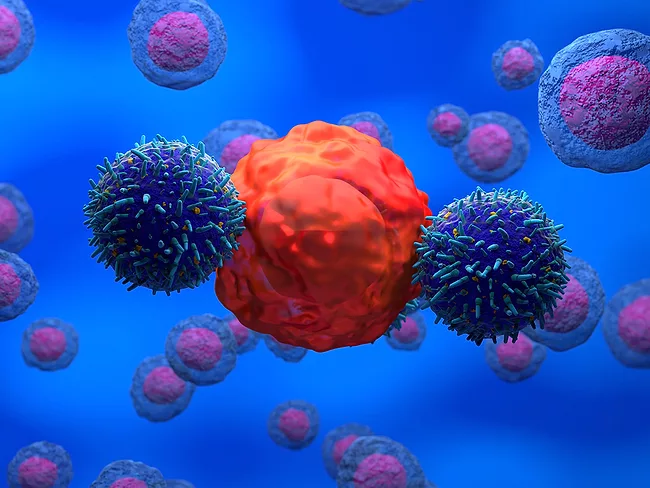
Despite the success of traditional viral-based CAR T-cell therapies against several blood malignancies, their efficacy remains limited against solid tumors. Non-viral engineering of CAR T cells using electroporation or lipid nanoparticle delivery of CAR-encoding mRNA achieves high but transient CAR expression, highlighting the limitations of current preclinical models for evaluating mRNA-based CAR T cells.
Opioid use disorder (OUD) remains a significant public health crisis, with over 5 million people diagnosed in the U.S. in 2023 and more than 80,000 fatal overdoses involving opioids each year. Current FDA-approved medications for OUD target the micro-opioid receptor, but these treatments are still associated with high relapse rates during abstinence.
A peptide with a dual mechanism of action – it dissolves the bacterial membrane and activates the immune system – could be an effective weapon against microorganisms that have evolved ways to evade antibiotics, as superbugs do. Scientists at the University of Pennsylvania (UPenn) have designed stable synthetic peptides that activate mast cell receptors, which are cells involved in the innate and adaptive immune response. This dual approach eliminates bacteria and recruits neutrophils to finish the job.
Investigators from the University of Pennsylvania have presented data regarding the relationship of angiopoietin-2 (ANG2) and its prognostic impact on traumatic brain injury (TBI). The ANG2 plasmatic levels were measured in patients with TBI (n=362), orthopedic injury controls (n=89) and healthy controls (n=64).
Several lung conditions, such as acute lung injury, require the targeted delivery of pharmacological agents to the lower lung. However, the administration of complex biologics, such as anti-inflammatory cytokine mRNA, to the injury site in the lower lungs is particularly challenging, frequently leading to poor specificity and uneven distribution.