Researchers from Wuhan Institute of Biomedical Sciences, Jianghan University and collaborators recently showed that activating the endogenous transcription factors Ngn2 and Isl1 via CRISPRa can directly reprogram astrocytes into functional motor neurons in the mouse spinal cord.
Nervgen Pharma Corp. rolled out expanded findings from the Connect phase Ib/IIa study with NVG-291 in spinal cord injury patients showing that the 35-amino acid peptide derived from the intracellular wedge domain of phosphatase sigma provided durable functional gains that continued at week 16 and after.
Ventoux Biosciences Inc. has initiated a research program to explore the therapeutic potential of lead compound, VEN-201, in translational preclinical models of spinal cord injury.
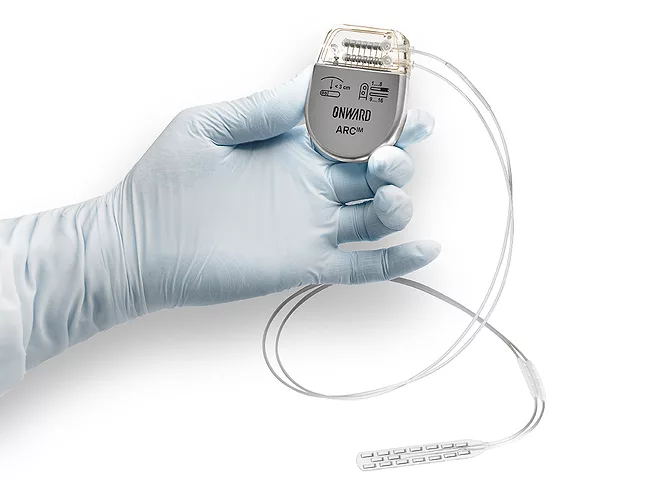
An international team of researchers has successfully used Onward Medical N.V.’s ARC-IM therapy to develop a neurostimulation system that improves blood pressure stability in patients with spinal cord injuries. According to data from two studies published in Nature and Nature Medicine, the implanted system also led to durable reduction of hypotensive symptoms, resulting in an improvement in the quality of life of patients.
Onward Medical NV secured U.S. FDA investigational device exemption (IDE) approval for a pivotal study to assess the safety and efficacy of its implantable spinal stimulation technology, the ARC-IM system. The Empower study BP study will focus on addressing blood pressure instability in patients with spinal cord injury (SCI).
Amphix Bio LLC has been granted U.S. FDA orphan drug designation for its lead candidate AMFX-200 for the treatment of acute spinal cord injury (SCI). AMFX-200 is an FGFR (fibroblast growth factor receptor) and ITGB1 (integrin β1) agonist peptide amphiphile scaffold. In preclinical models of acute SCI, a single injection of AMFX-200 into the spinal cord enabled motor neurons from the brain to regrow past the injury site.
Spinal cord injury (SCI) is a condition affecting the central nervous system characterized by both motor and sensory impairment. SCI causes lipid accumulation in the form of lipid droplets, which may contribute to the progression of other diseases.
Tiziana Life Sciences Ltd., which is developing the intranasal fully human anti-CD3 monoclonal antibody foralumab for neurological indications, has reported results from studies using a nasal anti-CD3 monoclonal antibody in traumatic spinal cord injury (SCI).
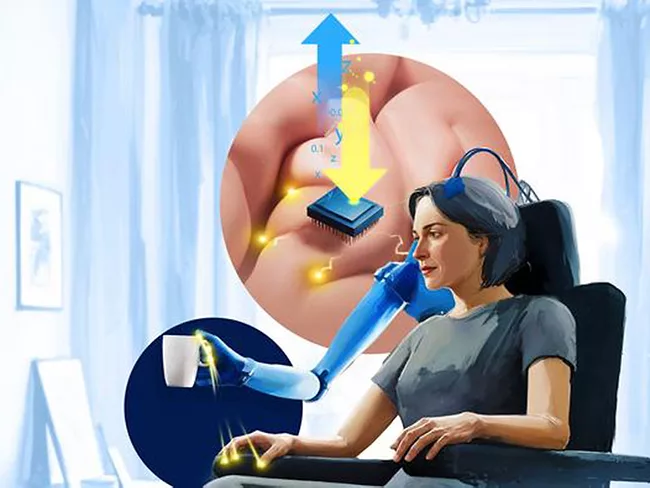
In a boon for companies developing brain-computer interface (BCI) technologies, researchers have used a BCI and artificial intelligence to restore touch sensations in a bionic arm.