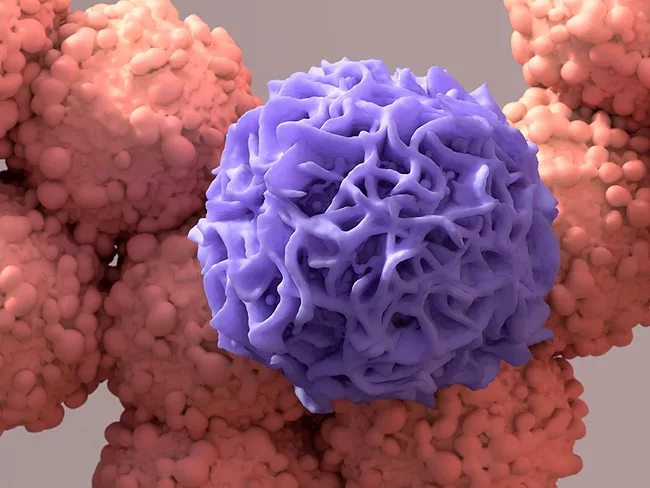
Researchers from the Medical School of Nanjing University hypothesized that in ulcerative colitis, the gut-resident macrophages may be compromised, leading to impaired integrity of the epithelial barrier. “From a basic science standpoint, our work uncovers a novel etiology of ulcerative colitis. From a translational perspective, it identifies a promising therapeutic target, potentially paving the way for developing effective drugs to treat or even cure the disease,” senior author Minsheng Zhu told BioWorld.
New research has filled in missing links between gene variants that have been implicated in disease through genome-wide association studies and how the variants drive disease pathology. The research involved using induced pluripotent stem cells derived from healthy donors and transforming them into macrophages. These were then exposed to 24 different stimuli mimicking infection and inflammation, and the gene expression profiles assessed six and 24 hours later, to see which genes were turned on or off in response.
Spica Therapeutics NV has been awarded a 2-year €1.0 million (US$1.2 million) grant from Flanders Innovation & Entrepreneurship (VLAIO) to accelerate the development of the company’s lead anti-CD163 depleting monoclonal antibody program in oncology, advancing it toward early IND-enabling studies.
New research has filled in missing links between gene variants that have been implicated in disease through genome-wide association studies and how the variants drive disease pathology. The research involved using induced pluripotent stem cells derived from healthy donors and transforming them into macrophages. These were then exposed to 24 different stimuli mimicking infection and inflammation, and the gene expression profiles assessed six and 24 hours later, to see which genes were turned on or off in response.
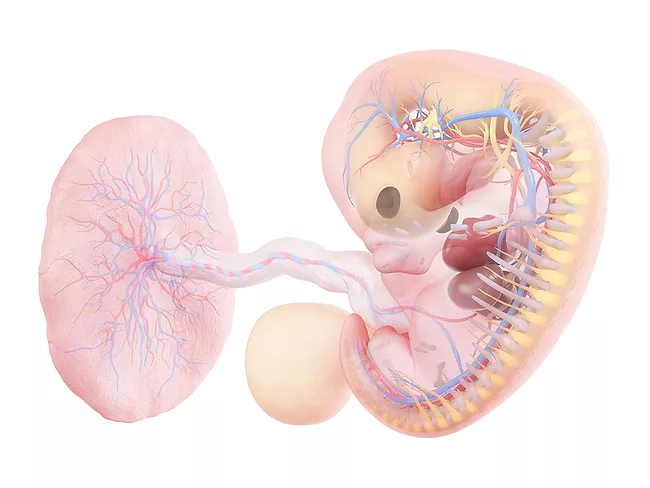
A healthy life for a healthy heart is a popular saying. However, even when following good habits, heart health can be already compromised from the very earliest stages of development. Maternal cells reach the embryo through the placenta contributing to its normal formation. So, just as the mother helps form a functional heart, she can also induce a condition that may not appear until adulthood.
Researchers from Cedars-Sinai Medical Center presented the preclinical efficacy of KROS-401, an IL-4/IL-13 blocking peptide that effectively reprograms macrophages in glioma models.
Resolution Therapeutics Ltd. is preparing for a phase I/II trial of its autologous engineered macrophage cell therapy, RTX-001, in the treatment of end-stage liver disease and has raised £63.5 million (US$83.3 million) to complete the study and to add further fibrotic and inflammatory disease programs to its portfolio. Recruitment to the study, to be conducted at 15 sites in Spain and the U.K., is due to start before the end of 2024, with the monocyte-derived patient macrophages being processed and modified at a facility in Edinburgh.
Phagocytosis – eliminating millions of dead cells every day – requires specialized cells such as macrophages, the true professionals, which migrate to engulf waste and dying cells.
Phagocytosis – eliminating millions of dead cells every day – requires specialized cells such as macrophages, the true professionals, which migrate to engulf waste and dying cells. But they are not the only ones that can perform this task, as scientists at Howard Hughes Medical Institute (HHMI) discovered when they investigated hair follicle stem cells (HFSCs), a tissue in constant regeneration, to clarify how dying cells are detected and cleared in the epithelium and the mesenchyme.
Rheumatoid arthritis (RA) is an autoimmune disease characterized by bone and cartilage destruction, where immune cells such as macrophages, among others, play a crucial role in RA pathogenesis.