Invasive fungal infections pose a significant global health challenge due to their severity and the scarcity of effective and safe treatment options. Unlike antibacterial drug development, creating new antifungals is especially challenging because fungal and human cells share a eukaryotic structure, highlighting the need for innovative treatment strategies.
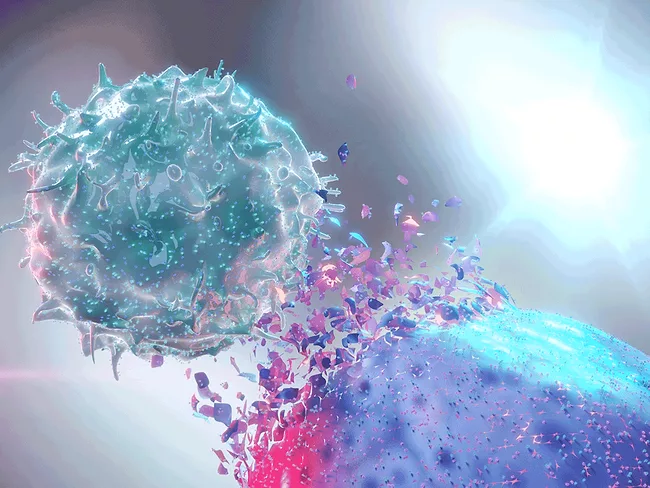
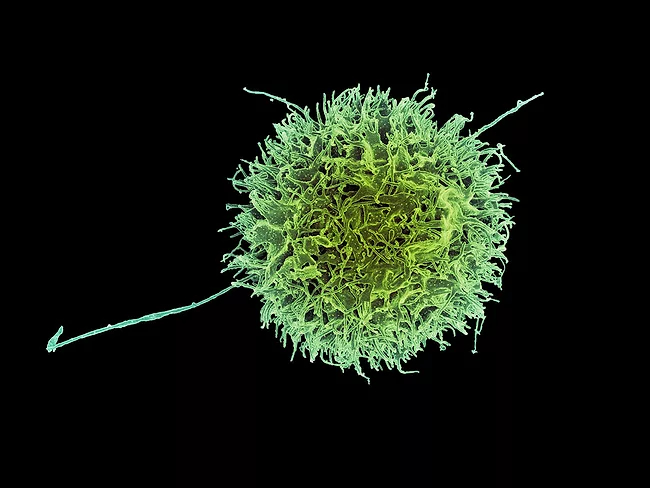
Osteosarcoma, the most common bone cancer in children and young adults, has poor outcomes after relapse with only ~18% 5-year survival, underscoring the urgent need for new therapies. Researchers from New York Medical College and colleagues have now demonstrated a new strategy to improve the efficacy of natural killer (NK) cell-based immunotherapy for osteosarcoma.
Scientists at Institut Pasteur have gained new insights into how some people control HIV-1 replication after interruption of antiretroviral treatment (ART). The investigators found a fingerprint involved in long-term viral remission.
Kytopen Corp. has received a phase II Small Business Innovation Research (SBIR) grant of $1.6 million from the NIAID/NIH to support preclinical studies of its engineered natural killer (NK) cells. The funding will be used to conduct in vivo preclinical studies, which will be conducted by Charles River Laboratories
A new spinout from Monash University in Melbourne, Australia, is tackling biology to better understand immune cell function and to find targets that were thought to be undruggable. Onko-innate co-founders Jai Rautela and Nicholas Huntington first worked together at Huntington’s lab at the Walter and Eliza Hall Institute of Medical Research (WEHI) in Melbourne where they studied the role of natural killer (NK) cells in tumor immunology and discovered some interesting regulatory pathways for cytokine responses.
Katy Rezvani received this year’s E. Donnall Thomas Prize for her work on natural killer (NK) cells at the annual meeting of the American Society of Hematology (ASH). It was not love at first sight, though.
Scientists at the University of California San Francisco (UCSF) have designed a group of synthetic molecules that could prevent the rejection of allogeneic cell transplants. Their strategy consisted of activating the immune checkpoints of different populations of immune cells from the cell surface, but avoiding the cytotoxicity of natural killer (NK) cells and macrophages that would destroy the transplanted cells.
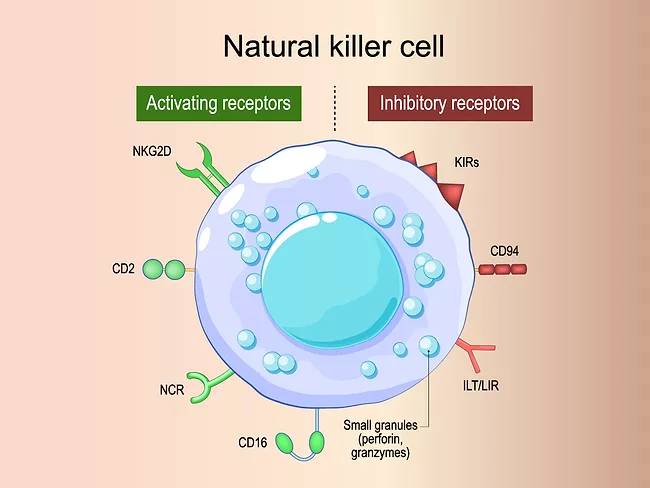
Adaptative immune response mediated by NKG2D receptor and its ligand NKG2DL could be the clue for CD8-expressing “killer” T cells to kill tumors lacking the major histocompatibility complex (MHC) class I, according to a group of researchers at Duke University.
Abcuro Inc. pulled down an oversubscribed $155 million series B financing co-led by Redmile Group and Bain Capital Life Sciences to advance cytotoxic T and natural killer cells therapies. Specifically, proceeds will back the phase II/III registrational trial of ABC-008, a first-in-class anti-killer cell lectin-like receptor G1 (KLRG1) antibody for inclusion body myositis (IBM) as well as fund continued development of other clinical programs.
Hebecell Corp. and Logomix Inc. have established a strategic partnership to research and develop gene-edited natural killer (NK) cells and discover genetic modifications that can create next-generation designer NK cells. Under the agreement, Logomix provides genome editing capabilities to Hebecell for development of next-generation designer Protonk cells.