Continuing the year’s strong IPO activity, Scribe Therapeutics Inc. priced an upsized offering at the high end of its price range, offering 8.6 million shares at $15 apiece for gross proceeds of about $129 million. The company, which is developing CRISPR-based therapies targeting cardiovascular and metabolic diseases, began trading on Nasdaq under the ticker SCTX, with shares getting a warm welcome, opening at $25 and ending the day at $21.65, up 44.3%.
As the most active biopharma acquirer of 2026, Eli Lilly and Co. offered to buy three vaccine companies for up to $3.8 billion combined, while it simultaneously released positive early clinical results of a gene editing medicine brought into the fold last year through its buyout of Verve Therapeutics Inc.
Rona Therapeutics Co. Ltd. has announced the submission of RN-5681 to the Australian Human Research Ethics Committee (HREC), and anticipates dosing to begin in a phase I trial in the first quarter of next year.
Corsera Health Inc. has filed a clinical trial notification (CTN) seeking to initiate a phase I trial of COR-1004 in New Zealand. COR-1004 is a novel investigational subcutaneously administered siRNA targeting proprotein convertase subtilisin/kexin type 9 (PCSK9) to reduce LDL cholesterol (LDL-C).
Researchers from the Universitat de Barcelona and Oregon Health & Science University have developed a novel gene silencing technique using polypurine reverse Hoogsteen hairpins (PPRH) to target and inhibit the expression of PCSK9.
With plenty of GLP-1 money to spend, Eli Lilly and Co. is buying Verve Therapeutics Inc. and its gene-editing program for about $1.3 billion. Two of Verve’s one-time treatments are in the clinic. Lead candidate VERVE-102, a gene-editing treatment targeting PCSK9, is in a phase Ib study to reduce cholesterol levels.
Positive early stage data for Verve Therapeutics Inc.’s base editing therapy points to a range of development options, including bringing partner Eli Lilly and Co. in a little closer. The new data helped ease the company’s pain from the April 2 enrollment pause of a similarly designed therapy from Verve. Verve’s Heart-2 phase Ib of VERVE-102 in treating 14 patients with heterozygous familial hypercholesterolemia and/or premature coronary artery disease showed one infusion led to dose-dependent decreases in blood PCSK9 protein levels and low density lipoprotein cholesterol.
Epigenetic editing is a promising method for gene regulation in vitro and in vivo, allowing precise control of gene expression without altering the DNA sequence, thereby minimizing genotoxic risks.
A 6.5-month-old boy with the rare inherited urea cycle disorder ornithine transcarbamylase (OTC) deficiency has responded positively in a targeted in vivo gene editing trial, in which a correct copy of a defective gene was inserted at a precise locus in the genome.
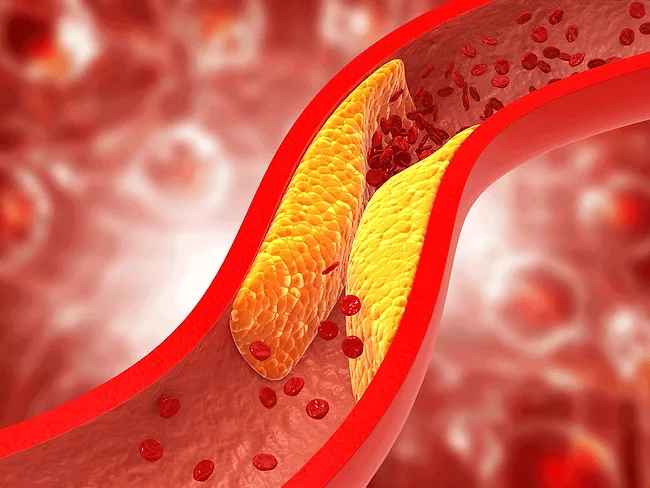
Proprotein convertase subtilisin/kexin type-9 (PCSK9) is highly expressed in adult hepatocytes. PCSK9 binds to and promotes the degradation of the low-density lipoprotein (LDL) receptor, thereby increasing LDL cholesterol levels. PCSK9 inhibition has emerged as a promising strategy for cardiovascular diseases. However, it is still unclear whether PCSK9 can trigger blood vessel inflammation directly modulating monocytes or endothelial cells independently of LDL receptor.