The U.S. Centers for Medicare & Medicaid Services announced that several Medicare administrative contractors have formally withdrawn local coverage determinations for skin substitutes. There are questions, however, as to whether this will bring an end to excess spending on these products even though the agency has capped the rate paid for entire classes of products.
Much has been made of the recent skyrocketing of Medicare spending on skin substitutes, but a new enforcement action by the U.S. Department of Justice might help to explain some of those spending increases.
Solventum Corp. continued its restructuring with a second significant acquisition this year, the proposed purchase of privately held Acera Surgical Inc. for $725 million in cash plus up to $125 in contingent cash payments based on achievement of specified milestones. St. Louis.-based Acera projected that its synthetic wound care products will bring in $90 million in sales this year.
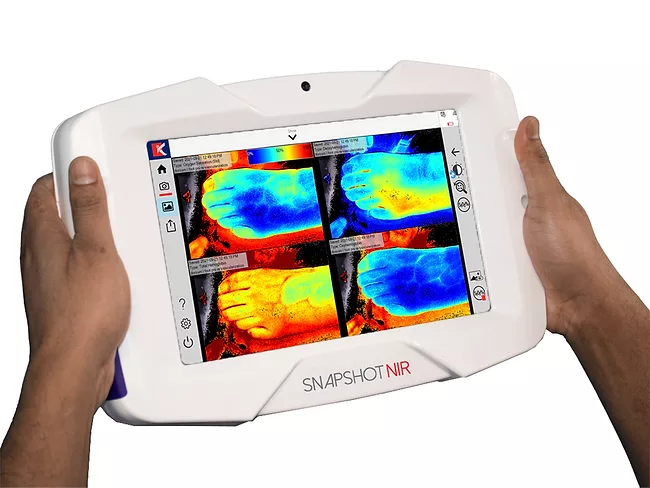
Kent Imaging Inc. received CE marking for its SnapshotNIR imaging device which uses near-infrared spectroscopy to measure oxygenated and deoxygenated hemoglobin in the microvasculature. The non-invasive point-of-care device provides real-time data to clinicians to help them make decisions which can change the trajectory of a wound, from chronic and non-healing, into a healing one, significantly improving the patient’s quality of life.
Researchers from the University at Buffalo, the State University of New York (SUNY), filed for protection of their development of a new imaging technology that uses radar and AI to see through dressings to monitor wounds and other skin conditions.
The U.S. Centers for Medicare & Medicaid Services decided to peel back a series of local coverage determinations for skin substitute grafts that provoked a vigorous response from stakeholders.
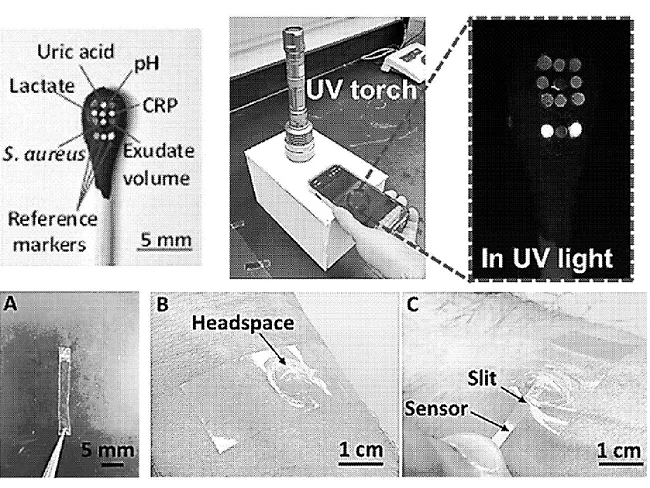
Researchers from North Carolina State University filed for protection of miniaturized, wireless, wound-monitoring sensors that may be incorporated into swabs or wound dressings for real-time, accurate assessment of wound status.
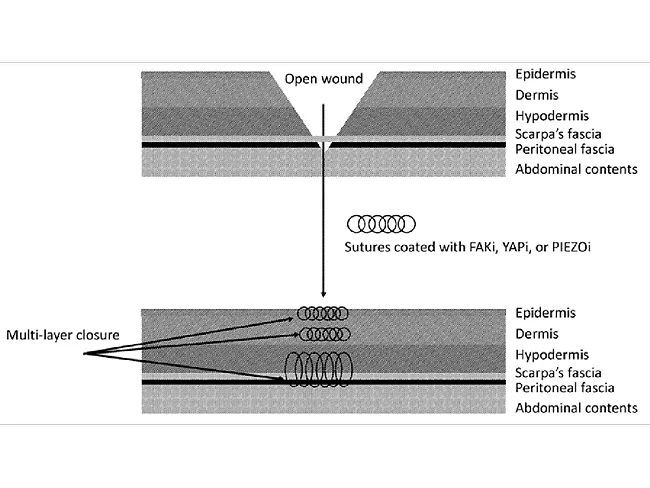
Researchers from Stanford University have filed for protection of their use of mechanotransduction inhibitors in coatings for surgical sutures to reduce scarring.
Kent Imaging Inc. is looking to raise $25 million in a series B financing round to expand the use of its imaging device for measuring wound and tissue oxygenation, and to support the launch of a new product, Pierre Lemire, CEO, told BioWorld.
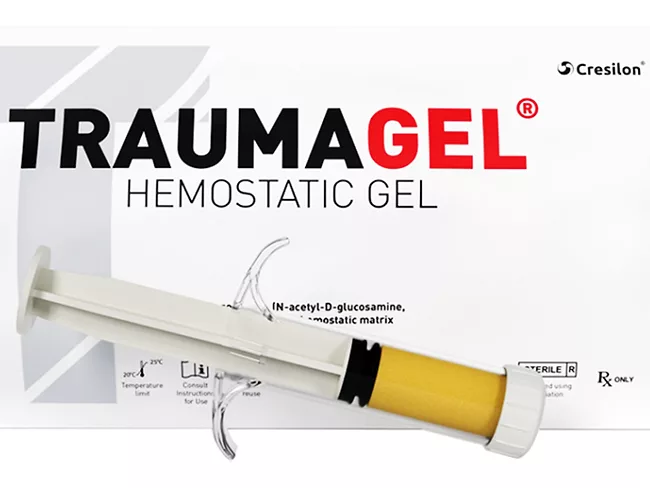
Cresilon Inc. secured U.S. FDA clearance for Traumagel, a hydrogel that stops potentially life-threatening bleeding in seconds. Cresilon designed the product for use by the U.S. military, first responders and medical professionals to swiftly and effectively stop bleeding from traumatic wounds