The human genome has yielded another round of secrets with the publication of two back-to-back papers in Nature on July 23, 2025. Both studies re-sequenced probands from the open-access 1000 Genomes Project, which was one of the first projects to sequence individuals from diverse populations.
The human genome has yielded another round of secrets with the publication of two back-to-back papers in Nature on July 23, 2025. Both studies re-sequenced probands from the open-access 1000 Genomes Project, which was one of the first projects to sequence individuals from diverse populations. While one paper “goes very deep and tries to reconstruct a few genomes to basically near completion,” the other specifically looked at structural variants in a larger number of genomes. Together, they give new insights into genome variation.
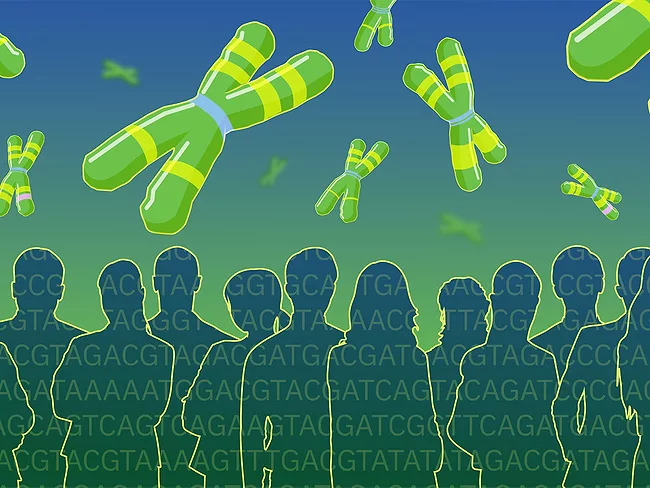
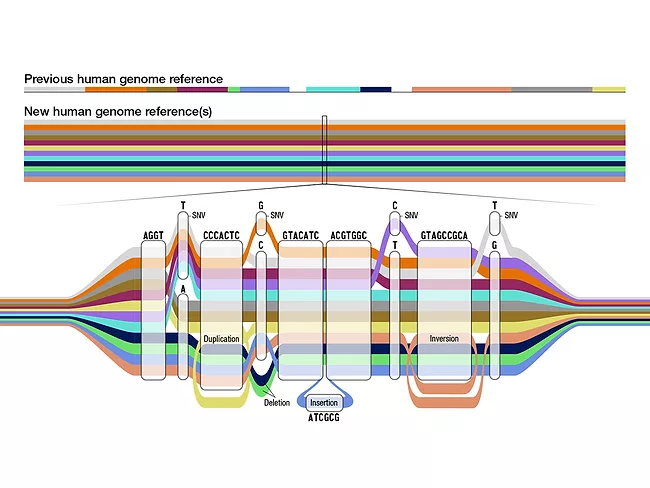
The human genome, the sequence that represents the DNA of our species, was built with a single individual as a model. This all-in-one standard didn’t include the gene variations that make us different or explain why some people develop certain diseases. Four simultaneous studies from the Human Pangenome Reference Consortium have published a sequence based on 47 individuals, beginning to capture the genetic diversity that defines humans.
There is a project management joke that the first 90% of a project takes 90% of the time, whereas the last 10% of the project takes the other 90% of the time.
There is a project management joke that the first 90% of a project takes 90% of the time, whereas the last 10% of the project takes the other 90% of the time.
There is a project management joke that the first 90% of a project takes 90% of the time, whereas the last 10% of the project takes the other 90% of the time.
LONDON – Twenty years on from sequencing of the first draft of the human genome and the associated hype, 2019 was the year that the science of genomics truly began to make an impact in health care.