Biogen Inc. hardly blinked at the competition faced by Apellis Pharmaceuticals Inc. as the two companies sealed a deal whereby the former has agreed to acquire all outstanding shares of the latter for $41 each, or about $5.6 billion.
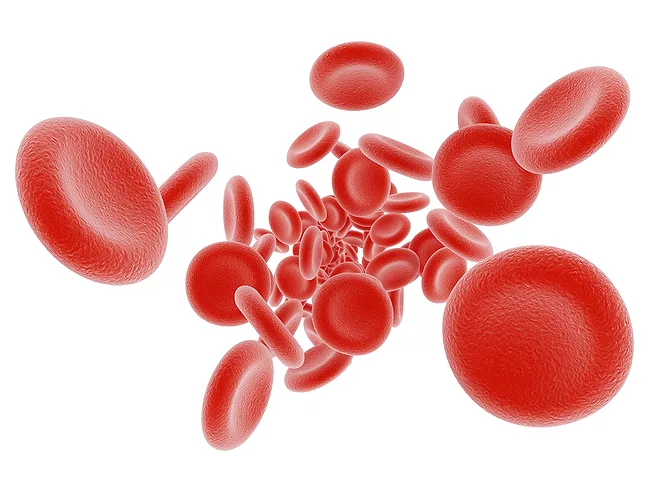
Paroxysmal nocturnal hemoglobinuria (PNH) – the rare blood disorder characterized by premature destruction of red blood cells – found itself in the spotlight, as did shares of Omeros Corp. (NASDAQ:OMER), which closed Oct. 15 at $10.42, up $6.32, or 154%, on word of an asset purchase and license agreement with Novo Nordisk A/S for zaltenibart (formerly OMS-906).
Samsung Bioepis Co. Ltd., of Incheon, South Korea, gained U.S. FDA approval of Epysqli (eculizumab-aagh) as the second biosimilar product to Alexion Pharmaceuticals Inc.’s Soliris (eculizumab) to treat two rare diseases. The regulatory clearance July 22 grants use of Epysqli to treat paroxysmal nocturnal hemoglobinuria and atypical hemolytic uremic syndrome – two rare hematologic- and kidney-related disorders known to affect about 50,000 and 5,000 patients in the U.S., respectively.
Roche Holding AG’s Genentech Inc. unit received U.S. FDA approval on June 20 of Piasky (crovalimab) to treat adults and children 13 and older with paroxysmal nocturnal hemoglobinuria and a body weight of at least 40 kg (88 pounds).
Voydeya (danicopan), from Alexion, Astrazeneca Rare Disease, racked up its second global approval as the U.S. FDA greenlit it as an add-on therapy for treating extravascular hemolysis in adults with paroxysmal nocturnal hemoglobinuria (PNH), a crowded market with several already approved treatments and more in development.
The EMA’s Committee for Medicinal Products for Human Use (CHMP) adopted a positive opinion recommending approval of Pfizer Inc.’s Emblaveo (aztreonam-avibactam), an antibiotic combination that would offer a new option to patients with serious bacterial infections caused by multidrug-resistant gram-negative bacteria.
The EMA’s Committee for Medicinal Products for Human Use (CHMP) adopted a positive opinion recommending approval of Pfizer Inc.’s Emblaveo (aztreonam-avibactam), an antibiotic combination that would offer a new option to patients with serious bacterial infections caused by multidrug-resistant gram-negative bacteria. If approved, Emblaveo would be among the first beta-lactam/beta-lactamase inhibitor combos cleared for use in Europe.
The U.S. FDA has approved Novartis AG’s Fabhalta (iptacopan) as the first oral monotherapy for adults with paroxysmal nocturnal hemoglobinuria, a rare blood disease that impairs blood cell production. This is the only factor B inhibitor of the immune system’s complement pathway and is expected to be on the market before December ends. Fabhalta has plenty of competition from already-approved therapies and more treatments are in development.
Homology Medicines Inc. has reported data on an adeno-associated viral (AAV) vector-based therapy, HMI-104, an AAV treatment intended to induce hepatic expression of a complement C5 monoclonal antibody, named as C5mAb, for the potential treatment of paroxysmal nocturnal hemoglobinuria (PNH) as well as other complement-driven pathologies. C5mAb is thought to bind to C5 and inhibit the C5-mediated hemolysis observed in PNH.
Roche Holding AG’s investigational monoclonal antibody, crovalimab, which inhibits part of the innate immune system in patients with the rare blood condition paroxysmal nocturnal haemoglobinuria, met its co-primary efficacy endpoints in a phase III trial that will form the basis of its approval submissions worldwide.