What appears to be a routine item on a routine list of the U.S. Department of Health and Human Services’ (HHS) proposed rulemakings for the next fiscal year is being seen as anything but routine, given HHS Secretary Robert Kennedy’s stance on vaccines and several commonly used drugs.
When it comes to vaccines and preparedness, platform delivery technologies can be both a boon and a barrier. On the one hand, an existing platform can speed development of a vaccine targeting an unexpected viral scare such as the recent Bundibugyo Ebola and Andes hantavirus outbreaks. On the other hand, the intellectual property (IP) protecting that platform adds to the economic hurdles facing smaller vaccine developers, Douglas Bucklin, a life sciences patent attorney with Volpe Koenig, told BioWorld.
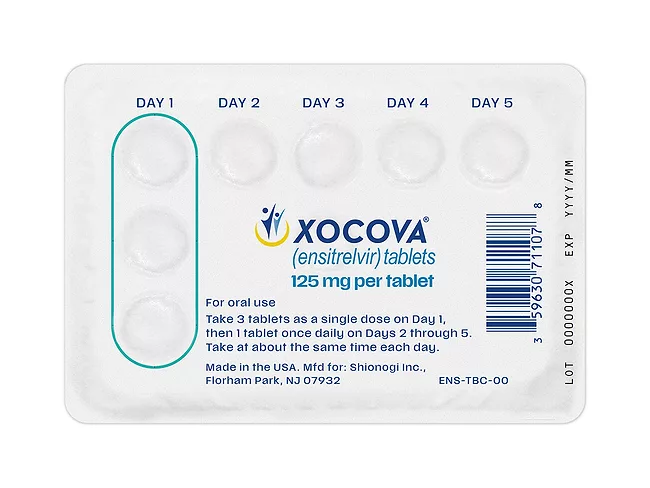
The U.S. FDA approved Shionogi & Co. Ltd.’s Xocova (ensitrelvir) as the first oral post-exposure prophylactic option in the U.S. to prevent COVID-19, with the decision coming ahead of a PDUFA target date of June 16.
Landing on the right COVID-19 vaccine formulation for the coming season is becoming more complicated against a backdrop of low vaccination rates, young children with little to no immunization, declining surveillance data and a new SARS-COV-2 lineage slowly emerging.
Recent findings are reshaping current understanding of the post-infection landscape of SARS-CoV-2. Although previous studies had already suggested that autoimmunity might underlie the persistent neurological symptoms seen in long COVID, researchers at Yale University and Mount Sinai now reinforce this hypothesis. SARS-CoV-2 infection appears to trigger an autoimmune mechanism that drives chronic pain, fatigue and cognitive impairment in some patients.
Acknowledging that the spread of the Andes virus and the resulting disease, hantavirus pulmonary syndrome, “constitutes a credible risk of a future public health emergency,” U.S. Health and Human Services Secretary Robert Kennedy is issuing a declaration to provide liability protection for manufacturers, distributors and providers using favipiravir as a medical countermeasure (MCM) against the virus.
What would normally be a routine meeting of the FDA’s Vaccines and Related Biological Products Advisory Committee May 28 may be more carefully watched given the overall turmoil surrounding vaccines in the U.S. The only task before the adcom is to recommend the COVID-19 vaccine formula for the upcoming season. That conversation will include looking at the effectiveness of the four FDA-approved vaccines currently in use in the U.S.
An alleged coverup of NIH-funded gain-of-function research at China’s Wuhan Institute of Virology has led to criminal charges against a former career scientist and top aide to Tony Fauci, the head of the National Institute of Allergy and Infectious Diseases in the time of the COVID-19 pandemic.
Researchers in the U.K. have developed an AI-driven method of identifying viruses in wild animals with the potential to spillover into humans. The technique makes it possible to use the genome sequences of the spike proteins by which viruses enter host cells to assess the potential to infect humans without having to isolate an individual virus and tests its infectivity in the lab.
SARS-CoV-2 utilizes the angiotensin-converting enzyme 2 (ACE2) receptor for cell entry and triggers ACE2 ectodomain shedding, which results in elevated vasoconstrictor angiotensin II (Ang-II) while depleting the protective Ang-(1-7). This effect can lead to acute respiratory distress syndrome, hypertension, acute kidney injury and organ damage.