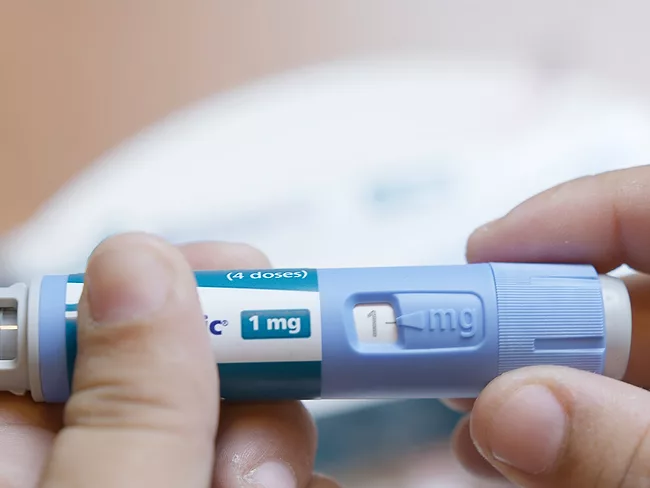
GLP-1 receptor agonists remained center stage at the 2026 Scientific Sessions of the American Diabetes Association with Boehringer Ingelheim GmbH and Astrazeneca plc, joining the leaders, Eli Lilly and Co. and Novo Nordisk A/S, in presenting data for their respective GLP-1 drugs.
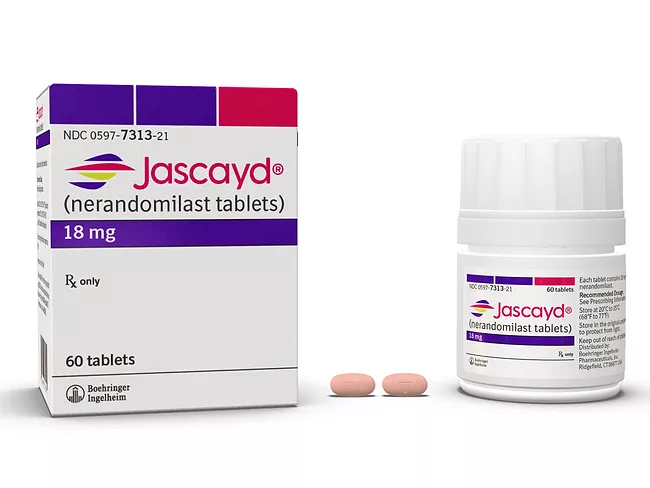
As generic versions of its blockbuster drug Ofev (nintedanib) start to hit the market, Boehringer Ingelheim GmbH looks to have swerved the patent cliff, with European and Japanese regulators both approving a potential replacement, Jascayd (nerandomilast), this week. At its monthly meeting, the EMA’s Committee for Medicinal Products for Human Use also recommended Novartis AG’s Vijoice (alpelisib) be given conditional approval in the treatment of PIK3CA-related overgrowth spectrum disorders.
It looks like the end of the road for many of the court challenges to the Inflation Reduction Act’s (IRA) provision requiring Medicare to negotiate prescription drug prices. The U.S. Supreme Court denied cert May 18 to petitions brought by six biopharma companies that raised questions about the constitutionality of the negotiations. All but one of the suits involved were denied in the Third Circuit; the other one was denied in the Second Circuit, so there is no circuit split – yet.
As advances are made by bustling drug developers at work in the Wingless-related integration site (Wnt) pathway, other research is yielding new discoveries as well. Among the closely watched industry players in Wnt are Boehringer Ingelheim GmbH, Merck & Co. Inc., and Surrozen Inc.
Boehringer Ingelheim GmbH is stopping development of OSE Immunotherapeutics SA’s BI-770371 in metabolic dysfunction-associated steatohepatitis (MASH), after the SIRPα antagonist failed to show efficacy in a phase II study. Codevelopment of BI-770371 will continue for oncology indications, however, which was the initial target of the duo’s €1.4 billion (US$1.6 million) partnership in 2018.
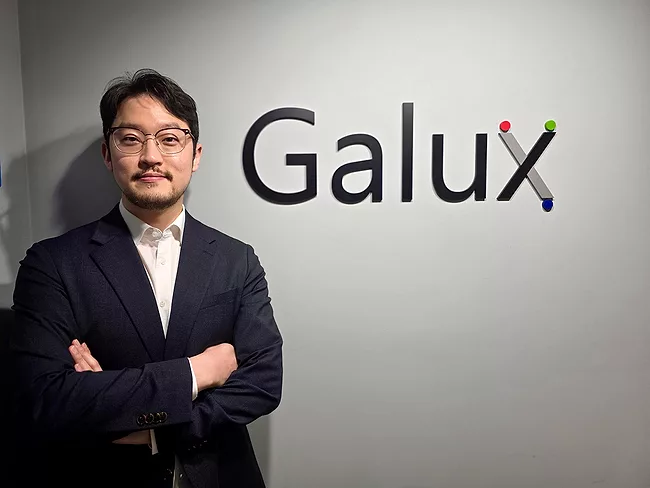
Galux closed a ₩42 billion (US$29 million) series B round Feb. 10, led by Yuanta Investment to bring AI-driven “rational design” to the protein drug development process, already heavily influenced by human engineering.
Galux closed a ₩42 billion (US$29 million) series B round Feb. 10, led by Yuanta Investment to bring AI-driven “rational design” to the protein drug development process, already heavily influenced by human engineering.
Galux closed a ₩42 billion (US$29 million) series B round Feb. 10, led by Yuanta Investment to bring AI-driven “rational design” to the protein drug development process, already heavily influenced by human engineering.
The U.S. FDA cleared 20 drugs in October 2025, up from 17 in September, 18 in August and 17 in July, bringing the year’s total to 181 approvals through the first 10 months. Two new molecular entities (NMEs) gained U.S. approval in October: Boehringer Ingelheim GmbH’s Jascayd and Bayer AG’s Lynkuet.
Boehringer Ingelheim GmbH has licensed an unnamed small-molecule preclinical candidate from Kyowa Kirin Co. Ltd. in the autoimmune disease space in a deal worth up to €640 million (US$739 million).