Transplanting an animal organ into a human is now a closer reality following the successful xenotransplantation of a genetically modified pig liver into a patient diagnosed with brain death in China. The operation was intended to evaluate organ function over a 10-day period. This is a complex experimental trial that did not involve removing the patient's liver and still requires further study. However, the positive preclinical results suggest this strategy could save the lives of those waiting for a human organ, at least in certain cases.
Transplanting an animal organ into a human is now a closer reality following the successful xenotransplantation of a genetically modified pig liver into a patient diagnosed with brain death in China. The operation was intended to evaluate organ function over a 10-day period. This is a complex experimental trial that did not involve removing the patient's liver and still requires further study. However, the positive preclinical results suggest this strategy could save the lives of those waiting for a human organ, at least in certain cases.
Transplanting an animal organ into a human is now a closer reality following the successful xenotransplantation of a genetically modified pig liver into a patient diagnosed with brain death in China. The operation was intended to evaluate organ function over a 10-day period. This is a complex experimental trial that did not involve removing the patient's liver and still requires further study. However, the positive preclinical results suggest this strategy could save the lives of those waiting for a human organ, at least in certain cases.
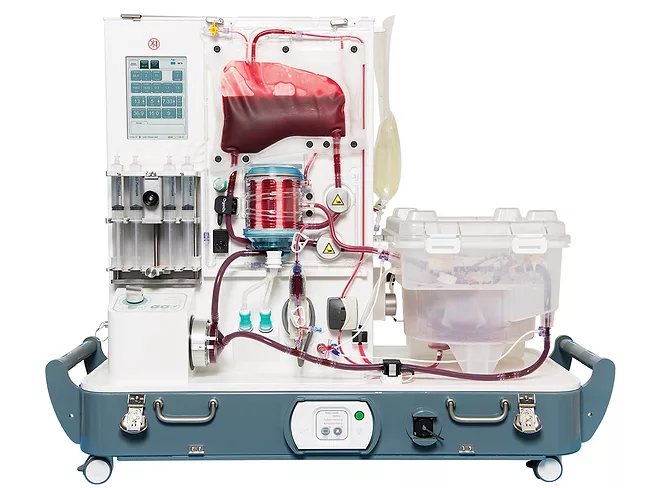
Organox Ltd. gained approval from Health Canada for its Metra system for use during liver transplantation. The system utilizes normothermic machine perfusion to maintain donor livers under physiologic conditions prior to transplantation.
Organox Ltd. raised £25 million (US$33 million) in a funding round that will allow the company to expand its operations in the U.S. on the back of significantly increasing demand from transplant centers, Oern Stuge, executive chairman, at Organox told BioWorld. The Oxford, U.K.-based company which makes systems to preserve and transport livers for transplant is also preparing for its eventual listing on Nasdaq, he added.
Regulatory T-cell specialist Quell Therapeutics Ltd. has sealed a potential $2 billion agreement under which Astrazeneca plc is taking rights to two autologous Treg cell therapies for treating inflammatory bowel disease (IBD) and type 1 diabetes. Quell will receive $85 million up front, the majority of which is in cash, with a modest (undisclosed) equity investment. Reaching the $2 billion headline figure will involve a series of development and commercial milestones and royalties on sales.
Both the Hong Kong Stock Market and the Shanghai STAR Market have seen med-tech companies, namely Orbusneich Medical Group Holdings Ltd. and Shanghai Genext Medical Technology Co. Ltd., making a rush to be listed by the end of 2022.
Integrated Graphene Ltd. is partnering with a team of scientists at the University of Edinburgh to develop a point-of-care biomedical test for liver transplants. The Sensibile project team is working to develop a prototype electrochemical biosensor that can detect biliary complications’ biomarkers in donor livers. Sterling, Scotland-based Integrated Graphene’s 3D graphene foam electrode will help to assess the viability of the biliary compartment, and the quality of the donor liver prior to transplantation.
In a move that will substantially expand the number of livers available for transplantation, the FDA granted premarket approval to Organox Ltd.’s Metra normothermic machine perfusion device for both donors after brain death (DBD) and donors after circulatory death (DCD). The approval allows preservation of organs by Metra for up to 12 hours.
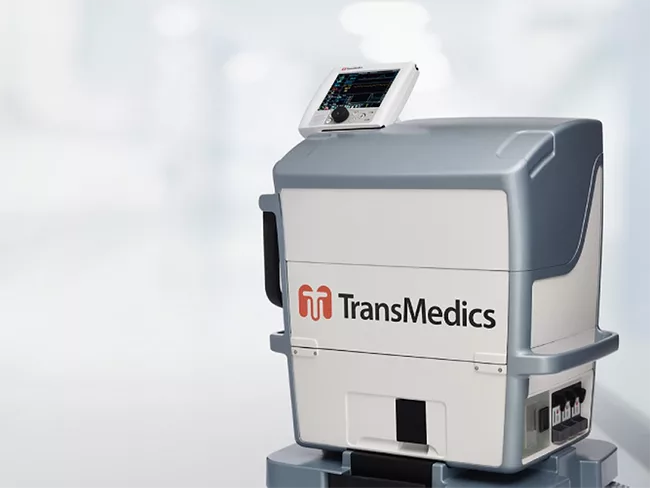
The FDA advisory hearing for the Transmedics Organ Care System (OCS) resulted in a unanimous vote in favor of the OCS’s safety and efficacy numbers, although there will be a considerable post-approval study requirement. The company was able to overcome a number of problems with the pivotal study that might otherwise have tanked the application, such as the lack of blinding of transplant surgeons, which the FDA said could have biased the determination of whether a liver was acceptable for transplant.