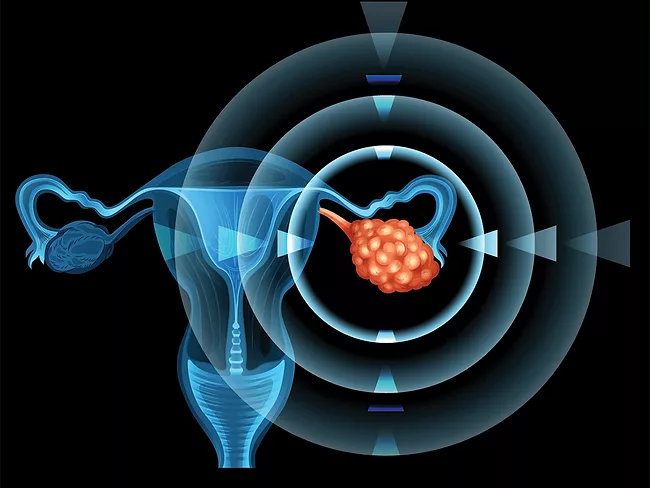
Ovarian cancer remains a leading cause of cancer-related deaths among women, with high recurrence rates and resistance to chemotherapy. CAR T-cell therapies present limited efficacy in solid tumors due to tumor heterogeneity and immune suppression in the tumor microenvironment.
Immunotherapy company Cartherics Pty Ltd. raised AU$15 million (US$10.3 million) in an oversubscribed series B round that will support the first clinical trial for lead chimeric antigen receptor natural killer therapy CTH-401 for ovarian cancer, and to expand its pipeline to include other diseases.
Immunotherapy company Cartherics Pty Ltd. raised AU$15 million (US$10.3 million) in an oversubscribed series B round that will support the first clinical trial for lead chimeric antigen receptor natural killer therapy CTH-401 for ovarian cancer, and to expand its pipeline to include other diseases. Cartherics CEO Alan Trounson told BioWorld that the funds raised will take Cartherics through to mid-2026, and the phase I Australian trial in ovarian cancer will begin in the fourth quarter of 2025.
Immunotherapy company Cartherics Pty Ltd. raised AU$15 million (US$10.3 million) in an oversubscribed series B round that will support the first clinical trial for lead chimeric antigen receptor natural killer therapy CTH-401 for ovarian cancer, and to expand its pipeline to include other diseases.
Cartherics Pty Ltd. has raised over its target of AU$15 million (US$10.3 million) in an oversubscribed private financing round. Funding will support a clinical trial for CTH-401, the company’s lead cell therapy for ovarian cancer, and expand its pipeline to include other diseases.
Immunotherapy company Cartherics Pty Ltd. is leading a consortium that received a AU$5.4 million (US$3.6 million) grant from the Medical Research Futures Fund to develop a new approach to enhance cancer therapy by engaging the patient’s own immune system to complement CAR cell therapy.
PERTH, Australia – Melbourne-based Cartherics Pty Ltd. plans on taking its pluripotent stem cell technology into the clinic next year. It is employing advanced gene editing techniques for the next generation of CAR T therapy.