Casi Pharmaceuticals Inc. announced the U.S. FDA has cleared its IND application for CID-103, a monoclonal antibody targeting CD-38 for the prevention of antibody-mediated rejection (AMR) of kidney allografts. The company plans to initiate a phase I study in adults with active and chronic active renal allograft AMR.
As of Jan. 31, 2024, there were more than 300 CAR T trials registered in China, surpassing the U.S. and becoming the country with the most CAR T therapy clinical trials. Among them, CD19 is the most frequently studied target, according to BioWorld and Cortellis. The rapid evolution of CAR T-cell therapies in China has escalated over the past decade from the start of the first clinical trials in 2013 to the country becoming an established host for CAR T-cell-related trials by 2017, according to Yongxian Hu and researchers from Zhejiang University in Hangzhou, China. Chinese cell therapy companies – backed by $2.37 billion in funding in 2021 – have since significantly increased basic research and trial output for CAR Ts, which was welcomed by large patient demand.
China’s CAR T market is expected to grow from $72 million in 2022 to $342 million over the next decade. There are currently more than 400 CAR T therapies in the pipeline in China, and most of these are being developed by specialized Chinese biotechs. Research by Clarivate plc, BioWorld’s parent company, indicates that a notable proportion of CAR T-cell therapies in late-phase development in China are being developed through strategic partnerships and joint ventures between multinational corporations and domestic companies, including Johnson & Johnson and Nanjing Legend Biotech Corp., Juno Therapeutics Inc. and Wuxi Apptec Co. Ltd., and CASI Pharmaceuticals Inc. and Juventas Cell Therapy Ltd.
As of Jan. 31, 2024, there were more than 300 CAR T trials registered in China, surpassing the U.S. and becoming the country with the most CAR T therapy clinical trials. Among them, CD19 is the most frequently studied target, according to BioWorld and Cortellis. The rapid evolution of CAR T-cell therapies in China has escalated over the past decade from the start of the first clinical trials in 2013 to the country becoming an established host for CAR T-cell-related trials by 2017, according to Yongxian Hu and researchers from Zhejiang University in Hangzhou, China. Chinese cell therapy companies – backed by $2.37 billion in funding in 2021 – have since significantly increased basic research and trial output for CAR Ts, which was welcomed by large patient demand.
China’s CAR T market is expected to grow from $72 million in 2022 to $342 million over the next decade. There are currently more than 400 CAR T therapies in the pipeline in China, and most of these are being developed by specialized Chinese biotechs. Research by Clarivate plc, BioWorld’s parent company, indicates that a notable proportion of CAR T-cell therapies in late-phase development in China are being developed through strategic partnerships and joint ventures between multinational corporations and domestic companies, including Johnson & Johnson and Nanjing Legend Biotech Corp., Juno Therapeutics Inc. and Wuxi Apptec Co. Ltd., and CASI Pharmaceuticals Inc. and Juventas Cell Therapy Ltd.
Precision Autoimmune Therapeutics Co. Ltd. has raised ¥140 million (US$21 million) in its first financing round to speed up its pipeline development and improve its drug development platform. Emerging Technology Partners LLC, Redhill Capital and CASI Pharmaceuticals Inc. participated in the round.
Precision Autoimmune Therapeutics Co. Ltd. has raised ¥140 million (US$21 million) in its first financing round to speed up its pipeline development and improve its drug development platform. Emerging Technology Partners LLC, Redhill Capital and CASI Pharmaceuticals Inc. participated in the round.
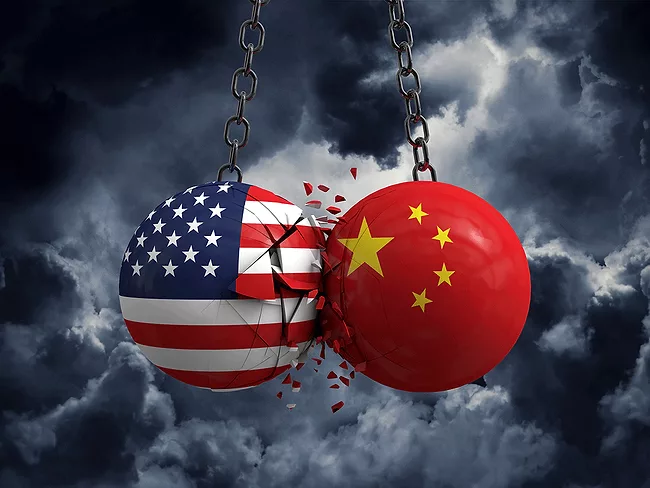
About $1.7 trillion in securities of China-based issuers listed on U.S. exchanges could face trading prohibitions in as little as two years, Y.J. Fischer, director of the U.S. SEC’s Office of International Affairs, warned during remarks at the May 24 annual meeting of the International Council of Securities Associations.
About $1.7 trillion in securities of China-based issuers listed on U.S. exchanges could face trading prohibitions in as little as two years, Y.J. Fischer, director of the U.S. SEC’s Office of International Affairs, warned during remarks at the May 24 annual meeting of the International Council of Securities Associations.
BEIJING – China made strides in the CAR T space this month. The country approved two more candidates to enter clinical trials in December, and forerunner Nanjing Legend Biotech Co. Ltd. said its investigational CAR T therapy LCAR-B38M/JNJ-4528 co-developed with Janssen Biotech Inc. won FDA’s breakthrough therapy designation.