On March 1, Boston Scientific Corp.’s Agent drug-coated balloon (DCB) became the first DCB to gain U.S. FDA approval for treatment of in-stent restenosis in patients with coronary artery disease. With more than 100,000 patients already treated in Europe, Latin America and Japan, it’s no secret Agent provides significant benefit compared to balloon angioplasty or drug-eluting stents (DES) for the approximately 10% of patients with coronary stents who experience subsequent narrowing of the treated vessel.
Cordis Corp. covered its bets a bit as it closed the acquisition of M.A. Med Alliance SA (Medalliance) announced almost a year ago. While the total payment for the company could total $1.135 billion, it could take six years for the owners of privately held Medalliance to see most of the funds.
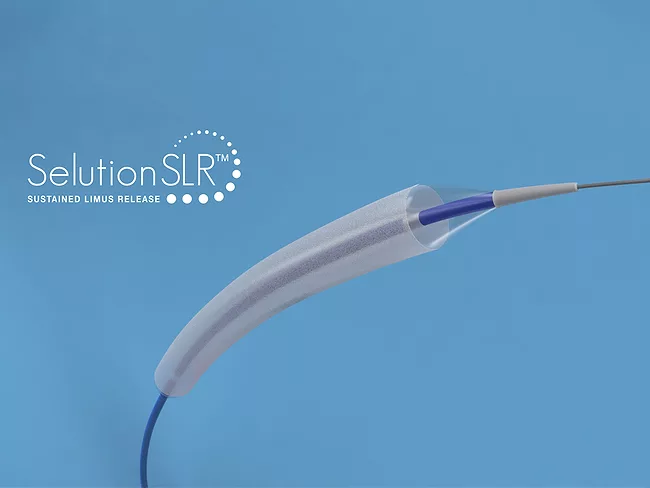
M.A. Medalliance SA has been awarded a de novo investigational device exemption (IDE) by the U.S. FDA for its sirolimus-eluting balloon. This approval is subject to initiation of a pivotal clinical trial in the U.S.
The 2022 Vascular Interventional Advances (VIVA) medical meeting, which concluded on Nov. 3 in Las Vegas, focused on advances in interventional cardiology and devices to improve vascular health with the expected studies comparing drug-eluting balloons, new stents and less invasive procedures. One Boston Scientific Corp. presentation put the rest into context, however, with one of the most critical advances in cardiology, enrollment in the Drug-Eluting Registry: Real World Treatment of Lesions in the Peripheral Vasculature (ELEGANCE) registry.
PARIS – M.A. Med Alliance SA (Medalliance), along with its Japanese partner MDK Medical, has completed enrollment following acceptance of a clinical trial notification from the Japanese Pharmaceutical Products and Medical Device Agency (PMDA) in June 2020.
The drug-eluting balloon (DEB) has not displaced the drug-eluting stent (DES) for treatment of infarcts, but that may be changing with the results of the PICCOLETO II study.