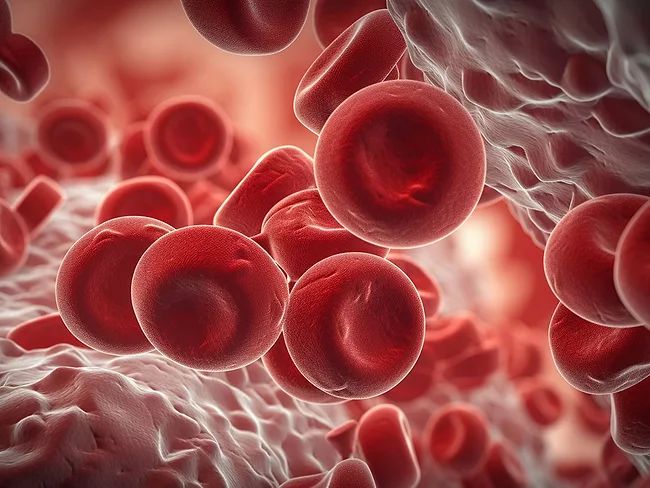
Iron regulates the metabolism of hematopoietic stem cells (HSCs) and acts as a genetic control of their fate, preserving their identity and regenerative capacity during tissue maintenance and repair. A group of scientists at Albert Einstein College of Medicine has described the key components of a molecular pathway that iron regulates. “What we are proposing here with this mechanism is that iron serves like a switchboard and a sensor,” senior author Britta Will told BioWorld. Will is at the Department of Oncology, the Cell Biology Department, and the Ruth and David Gottesman Institute for Stem Cell Research and Regenerative Medicine at Albert Einstein College of Medicine.
Finding suitable antigens for immunotherapy of myeloid malignancies, particularly acute myeloid leukemia (AML), is an urgent clinical need. Most AML candidate targets, including CD123, are co-expressed by hematopoietic stem and progenitor cells (HSCPs), with the subsequent risk of myelosuppression associated with myeloid cell-targeted chimeric antigen receptor (CAR) T therapy.
A study from Weill Cornell Medicine and The Jackson Laboratory has described the epigenetic mark SARS-CoV-2 left on immune system stem cells in the most severe cases of COVID-19 early in the pandemic, before the development of vaccines. In their work published in Cell on Aug. 18, 2023, the researchers presented a new methodology to analyze the epigenetic changes in monocytes and circulating hematopoietic stem and progenitor cells (HSPCs) that give rise to monocytes. That allowed corresponding author Steven Josefowicz and his colleagues to see if there were already changes induced by COVID-19 before HSPCs differentiated into monocytes.
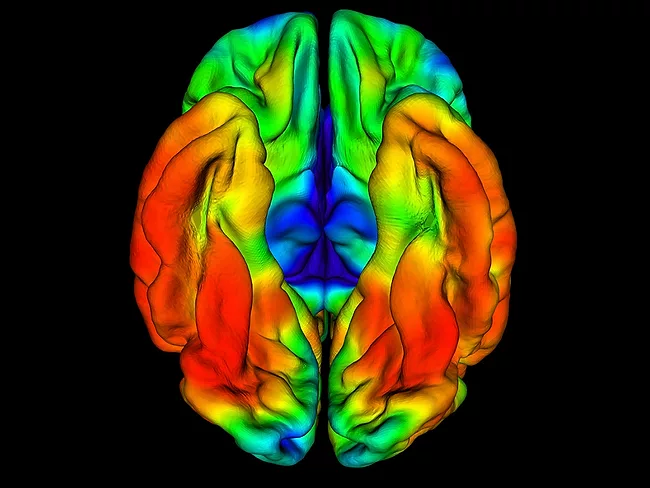
One of the challenges in designing genetic and cellular strategies is getting the therapy to the right place. This is even more complicated when it comes to the nervous system. The brain is a complex organ that contains the most differentiated and inaccessible cells in human biology. It is an impassable safe, protected by the blood-brain barrier.
A study led by scientists at Osaka University Graduate School of Medicine has identified the previously unknown molecular mechanism underlying bone marrow regeneration after chemotherapy, which damages hematopoietic stem and progenitor cells.