Dana-Farber Cancer Institute Inc. has divulged tumor necrosis factor receptor superfamily member 1A (TNFRSF1A; TNFR1; p55; CD120a) antagonists reported to be useful for the treatment of inflammation and neuroinflammation.
Researchers at Dana Farber Cancer Institute Inc. and Stanford University have identified RAF proto-oncogene serine/threonine-protein kinase (RAF1; cRaf) inhibitors reported to be useful for the treatment of cancer.
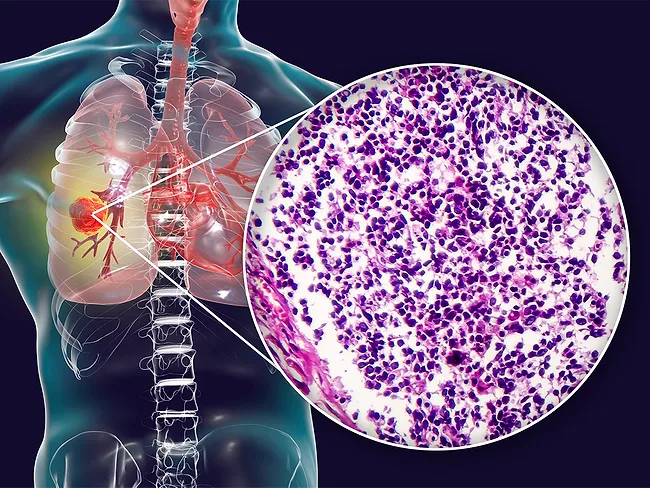
Small-cell lung cancer (SCLC) and some other cancers involve dysregulation of the transcription factor E2F, and apoptosis can be induced in those cells by blocking the interaction of the RxL sequence motif in E2F with cyclin A, which leads to hyperactivation of E2F. Researchers from Dana-Farber Cancer Institute and collaborators have developed macrocyclic peptides that inhibit this interaction and thereby hyperactivate E2F, leading to anticancer activity in various preclinical systems.
Dana-Farber Cancer Institute Inc. has divulged ubiquitin carboxyl-terminal hydrolase 28 (USP28; KIAA1515) inhibitors reported to be useful for the treatment of cancer and autoimmune disease.
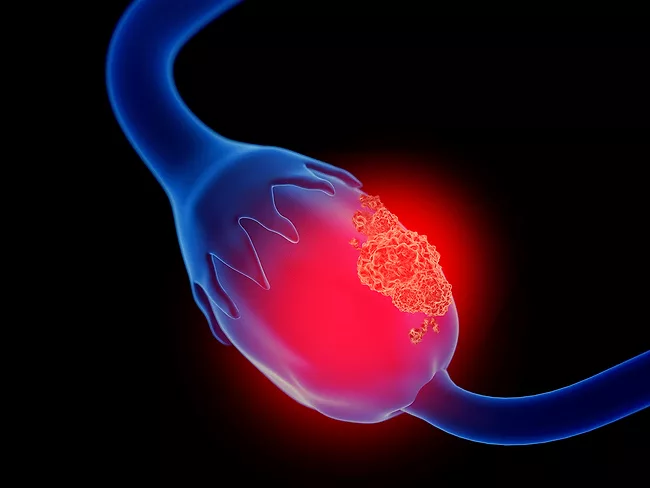
Cancer cells often use epigenetic changes to resist treatment, a major factor particularly in late-stage deaths from ovarian cancer. One potential epigenetic marker, DNA secondary structures known as G-quadruplexes (G4s), has recently gained attention; however, their presence and role in ovarian cancer had not been studied until now.
Dana Farber Cancer Institute Inc. and Stanford University have patented new molecular glue degraders comprising cereblon (CRBN) binding moiety acting as casein kinase 1 isoform α and/or wee1-like protein kinase (Wee1) degradation inducers reported to be useful for the treatment of cancer.
Dana-Farber Cancer Institute Inc. has synthesized tyrosine-protein phosphatase non-receptor type 6 (PTPN6; PTP-1C; SH-PTP1) activators reported to be useful for the treatment of autoimmune disease and cancer.
Scientists at Bayer AG and Dana Farber Cancer Institute Inc. have identified EGFR (exon 20 insertion [Ex20Ins] mutant) and/or HER2 (erbB2) (Ex20Ins mutant) inhibitors reported to be useful for the treatment of lung cancer.
Merkel cell carcinoma is an aggressive skin carcinoma that, when advanced or metastatic, is typically treated with chemotherapy, which often leads to resistance.
Neuroblastoma, an aggressive malignancy originating from neural crest cells, accounts for 15% of cancer-related deaths in children. Treatment strategies include systemic chemotherapy, radiation or immunotherapy with anti-GD2 antibodies, all with severe side effects and long-term toxicity. Retinoic acid (RA) has been shown to promote neuroblastoma growth inhibition while suppressing MYCN oncogene expression. However, its effect is reversible, and tumor regrowth may occur.