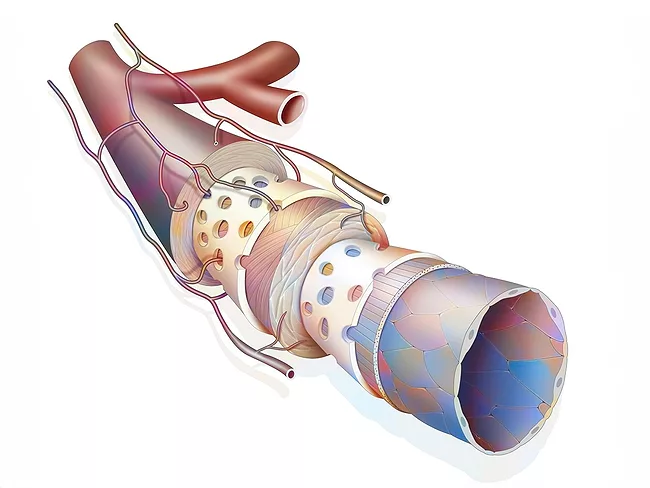
Coronary artery bypass graft (CABG) surgery remains the gold standard treatment for patients with severe atherosclerosis, but the long-term failure of the grafted veins is a persistent challenge. Excessive vascular smooth muscle cell (vSMC) proliferation in the grafted tissue, promoted by the increased exposure of vSMCs to pro-inflammatory mediators and cytokines, is a key driver of late CABG failure. A team of researchers from the University of Edinburgh and collaborators previously identified a human-specific long noncoding RNA, named SMILR, that is enriched in vSMC and promotes its proliferation.
Researchers from The University of Edinburgh have presented data from a study that aimed to investigate the mechanisms behind intestinal stem cell (ISC) dysfunction in ulcerative colitis (UC).
Trogenix Ltd. has emerged from stealth with a focus on treating cancer through viral immunotherapy. The company was founded as a spinout from the University of Edinburgh last year.
The Annual Congress of the European Committee for Treatment and Research in Multiple Sclerosis (ECTRIMS) meeting in Copenhagen this week is celebrating its 40th edition. In recognition of this landmark, the plenary session and opening lecture were attended by Queen Margrethe of Denmark. Afterward, the hot topic session on neuroprotective therapies set the stage for the subsequent discussions on the latest trends in the management and treatment of multiple sclerosis (MS).
Investigators at the University of Edinburgh have identified a genomic location linked to sensitivity to gabapentin in individuals with idiopathic chronic pelvic pain.
A new non-invasive device which enables women to test themselves at home for signs of the cancer-causing human papillomavirus strains in menstrual blood, has been developed with support from the Venture Builder Incubator at the University of Edinburgh.
Researchers from the University of Edinburgh seek protection for an algorithm developed using artificial intelligence that could be used by doctors to diagnose heart attacks more quickly and effectively.
Oligomeric amyloid-β (Aβ) peptide causes synaptic dysfunction, accumulates within synapses, and has been associated with synapse loss around plaques in Alzheimer’s disease (AD). However, there is a need to identify synaptic binding partners of Aβ that mediate synaptotoxicity in the brain. A team of investigators from the University of Edinburgh and affiliated organizations aimed to identify synaptic receptors that bind Aβ in human AD.
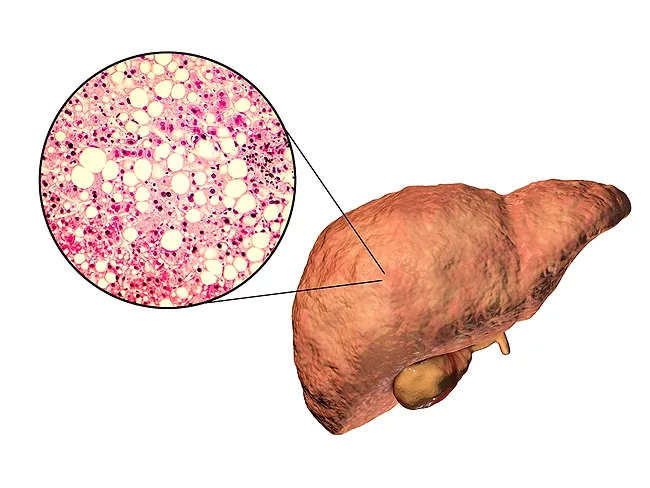
Boehringer Ingelheim GmbH partnered with Newcastle University and the University of Edinburgh to fund a £30 million (US$38 million) study into liver cirrhosis in a bid to provide scientists with new insights into liver health. The partners hope that the study will not only enhance the understanding of nonalcoholic or metabolic dysfunction-associated steatohepatitis (NASH/MASH) cirrhosis, but also help identify translational biomarkers using a cutting-edge approach called single-cell RNA sequencing to accelerate the development of future therapies.
The U.K. government’s recent allocation of £13 million (US$16.5 million) to fund research that will deliver cutting-edge artificial intelligence (AI) projects is a sign of its ongoing commitment to use the latest innovative technologies to modernize the health care sector. However, a group of MPs have released a report which warned that although AI offers significant opportunities there remains governance challenges that must be addressed.