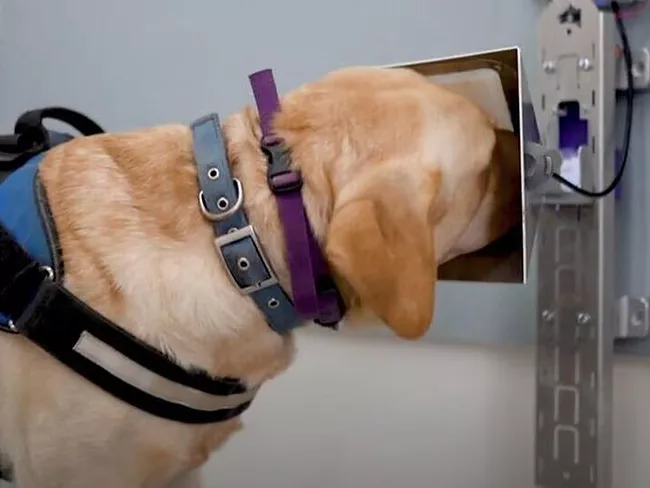
Bring your dog to work day looks a little different at Spotitearly. The Tel Aviv-based company asks its canine workers to bring their whole selves to the job – particularly their finely trained noses – to help suss out cancer in breath samples. The dogs’ unique capabilities are interpreted by AI to capture canine indicators humans might miss and the combo has remarkably high accuracy, 93% or better in three of the four common cancers tested.
Prognomiq Inc. secured $34 million in a series D funding round to advance development of an early detection test for lung cancer based on its multiomics platform. The blood-based test could provide an alternative to the underutilized low-dose CT scans currently recommended for individuals at high-risk of lung cancer.
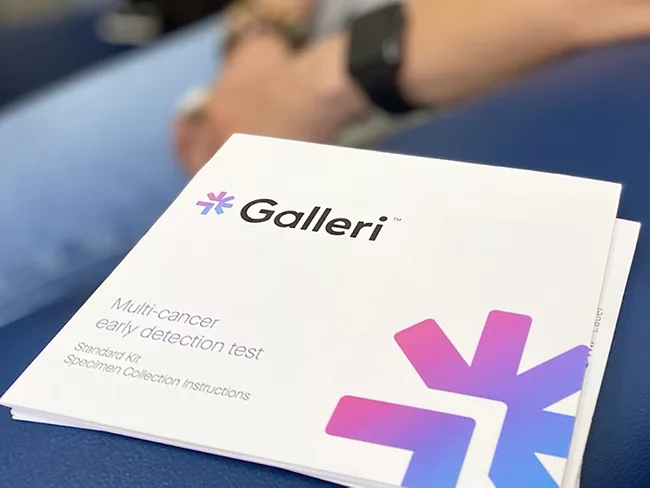
Less than two months after the June spin-off of Grail Inc. (again), Illumina Inc. revealed a new strategy to cut costs and lift sales growth by focusing on the rapidly evolving multiomics space. Grail, meanwhile, unveiled its own plans to retool, going all in on multi-cancer early detection and cutting headcount 30%.
The U.S. Agency for Healthcare Research and Quality posted a request for information on the current state of multi-cancer screening tests for a review that poses several questions.
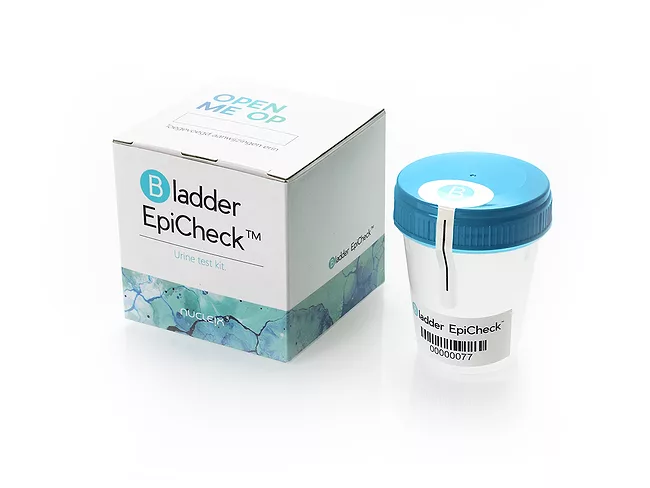
Liquid biopsy typically means blood testing, but several companies presenting at Biomed Israel May 21-23 have developed diagnostics that look to other, even less invasive options, and ever broader applications. Nevia Bio Ltd. is using vaginal secretions to detect ovarian cancer, while Early OM Ltd. and Nucleix Ltd. analyze urine for cancer biomarkers.
The U.S. National Institutes of Health reported the launch of a network for clinical trials that will examine the utility of cancer screening tools, which will start with a pilot study of multi-cancer detection (MCD) tests.
After years of battling to retain its hold on Grail Inc., Illumina Inc. finally announced that it will be unwinding the ill-fated acquisition of the multi-cancer early detection test maker. In addition to stiff opposition from activist investor Carl Icahn that cost Illumina’s previous CEO and board chair their positions, European and U.S. regulators have consistently opposed the deal.
The U.S. FDA’s advisory hearing on multi-cancer detection (MCD) tests suggests that the premarket requirements for these tests will be rigorous, if only because the agency stated at the outset of the hearing that it sees these tests as class III devices. However, the advisory committee also suggested that a registry be established to track outcomes for these tests, a requirement that is likely to prove expensive and time-consuming to fulfill.
Burning Rock Biotech Ltd. wants to significantly change the way cancers are detected and the biotech is sailing ahead with the latest breakthrough device designation received from China’s NMPA for its multi-cancer detection blood test (MCDBT), Overc.
Breakthroughs in early detection of cancer offer increasing hope for better outcomes and longer lives for individuals affected by malignancies. This year’s American Society of Clinical Oncology annual meeting highlighted strong results from several companies at the forefront of this potential transformation.