Leukemic stem cells (LSCs) and stemness signatures contribute to minimal residual disease in patients with acute myeloid leukemia (AML), which is associated with an increased risk of relapse. The presence of LSCs predicts treatment success and, therefore, eliminating LSCs has been proposed as a promising strategy to avoid relapses.
The composition of the skull bone is unique and plays a direct role in influencing brain health through small channels in the bone and immune cell expression pathways, reported researchers based at the Helmholtz Center and Ludwig-Maximilians University Munich.
The composition of the skull bone is unique and plays a direct role in influencing brain health through small channels in the bone and immune cell expression pathways, reported researchers based at the Helmholtz Center and Ludwig-Maximilians University Munich.
A unique characteristic of Helicobacter pylori could serve to end infections of this gastric bacterium. A group of scientists from the University of Munich have found that this pathogen has a strategic point in its mitochondrial respiratory complex I that could be targeted with inhibitors. “We did not look for respiration inhibitors in the first place,” co-senior author Wolfgang Fischer told BioWorld. “We screened libraries with a reporter assay, looking for something different, a particular protein secretion, the secretion system type (T4SS). Then, we found that a lot of compounds inhibit this process. From these compounds, we came to the point that they are actually respiration inhibitors,” he explained.
The loss of myelin in the cerebral cortex of multiple sclerosis (MS) patients could be recovered if oligodendrocytes, the cells that myelinate neuronal axons, work at a higher rate than they are destroyed. However, a group of scientists from the University of Munich have shown, in cortical MS mice, that this does not occur. The oligodendrocytes do not contribute to remyelination efficiently.
The rare, deadly neurological disease called hereditary sensory and autonomic neuropathy 9 (HSAN9) is caused by mutations in the gene that encodes tectonin β-propeller repeat-containing protein 2 (TECPR2).
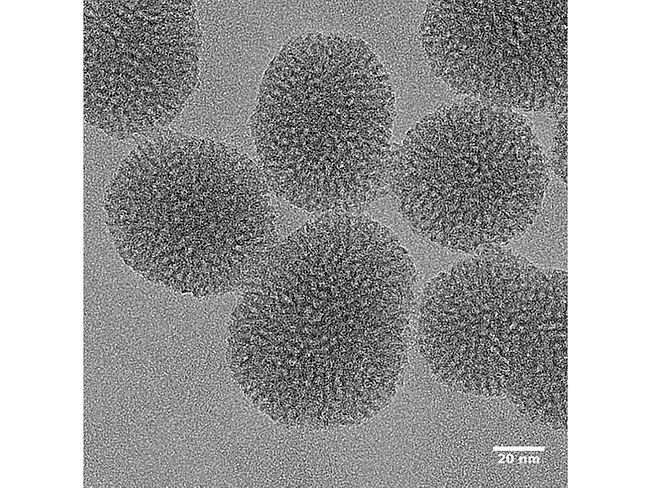
A team from the University of Geneva (UNIGE) in Switzerland and the Ludwig Maximilian University of Munich in Germany has succeeded in developing a fully biodegradable nanoparticle able to deliver a new anti-inflammatory drug directly into macrophages where an uncontrolled inflammatory response has been triggered.
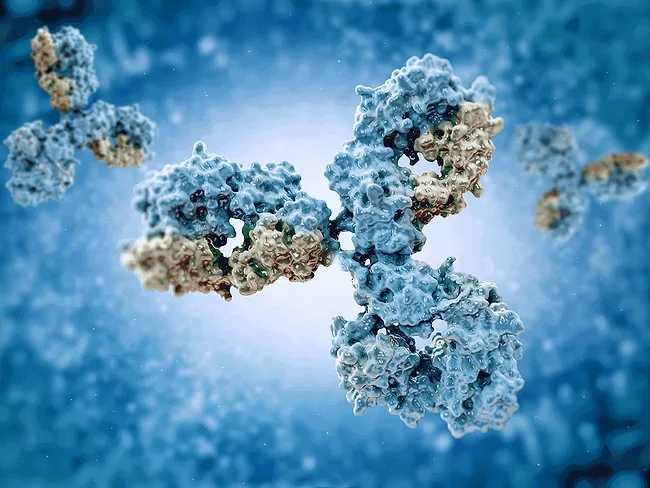
A research consortium comprised of XL-protein GmbH, Wacker Chemie AG and Ludwig-Maximilians-Universität München (LMU) will develop a novel long-acting immunosuppressive anti-CD40 antibody fragment for the selective suppression of organ rejection, in particular in the area of cardiac xenotransplantation.
DUBLIN – Tubulis GmbH raised €10.7 million (US$12.3 million) in a series A round to progress a next-generation antibody-drug conjugate (ADC) platform, which, it claims, will improve both the stability of ADC constructs and the efficiency with which they are generated.