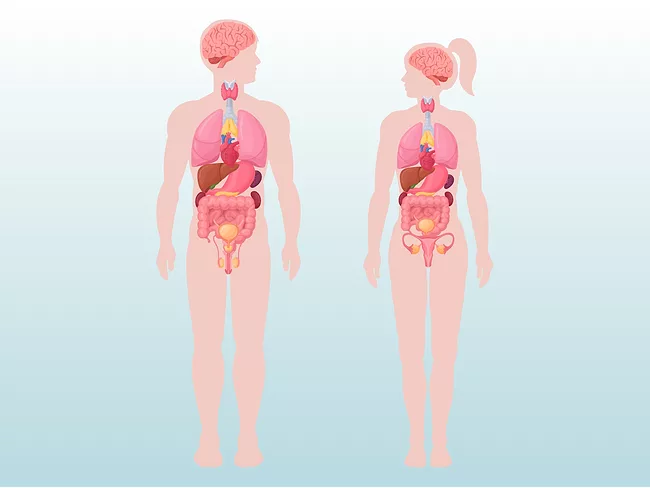
At the 2025 annual meeting of the Society for Neuroscience in San Diego this week, Catherine Woolley’s plenary lecture was an unusual combination of debunking and affirming the importance of sex differences in the brain.
At the 2025 annual meeting of the Society for Neuroscience in San Diego this week, Catherine Woolley’s plenary lecture was an unusual combination of debunking and affirming the importance of sex differences in the brain.
Do men’s and women’s brains age equally? Women are more often diagnosed with Alzheimer’s disease (AD) than men. Age is the primary known risk factor for AD prevalence, and both aging and AD are associated with brain atrophy, but it is still not clear whether men and women differ regarding brain decline in aging.
Do men’s and women’s brains age equally? Women are more often diagnosed with Alzheimer’s disease (AD) than men. Age is the primary known risk factor for AD prevalence, and both aging and AD are associated with brain atrophy, but it is still not clear whether men and women differ regarding brain decline in aging. There is mixed evidence regarding this topic, since most of the larger studies have shown an abrupt decay of total gray matter and hippocampal volume in men, but other studies have found steeper total gray matter decline in women.
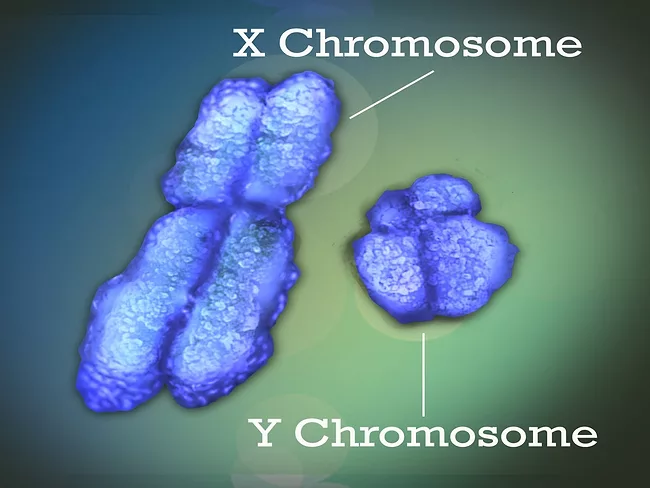
The way the brain ages is not the same in women and men. A study in mice has observed differences in the expression of the maternal and paternal X chromosomes that could explain variation in brain aging between the sexes and a faster deterioration in some women. Another study has discovered different survival strategies in the microglial cells of females and males. Both studies highlight sex differences that could have implications for several age-related neurological disorders, such as Alzheimer’s or Parkinson’s.
The U.S. FDA posted a draft guidance that would revisit a 2014 final guidance on sex-specific data drawn from medical device clinical trials, expanding the scope to include considerations of gender.
The U.S. FDA posted a draft guidance that would revisit a 2014 final guidance on sex-specific data drawn from medical device clinical trials, expanding the scope to include considerations of gender.
At the BioFuture 2024 conference held in New York in November, Seema Kumar, the CEO of Cure, described women’s health as something that has been directed at the “bikini area.” That “bikini” bias extended to both diseases and their causes – women’s health covered the breasts and reproductive system, and its causes were hormonal. Both concepts are far too narrow.
It’s difficult to fathom that the health of half the world’s population is underserved. But it’s a hard truth. There are many conditions that disproportionately impact women. Other conditions and diseases affect women in different ways than men. Decades of research excluding women from clinical trials and investment decisions in male-dominated board rooms have ignored these facts. Though an increasing number of women are now managing investments and driving the research, it’s all still woefully behind. In BioWorld’s new report, Healing the health divide, we’ve highlighted the disparities.
The E4 variant of the APO gene, the R47H variant of the TREM2 gene, and female sex are three of the strongest risk factors for the development of Alzheimer’s disease (AD). By combining all three of them in a mouse model of tauopathy, researchers at Weill Cornell Medical School have identified microglial inflammation and senescence as processes that occurred more strongly in female mice as tauopathy developed.