Epirium Bio Inc. has developed a series of small-molecule 15-PGDH inhibitors, the phase II-ready MF-300 and preclinical candidate MF-1305, as potential therapeutics for inflammatory bowel disease (IBD).
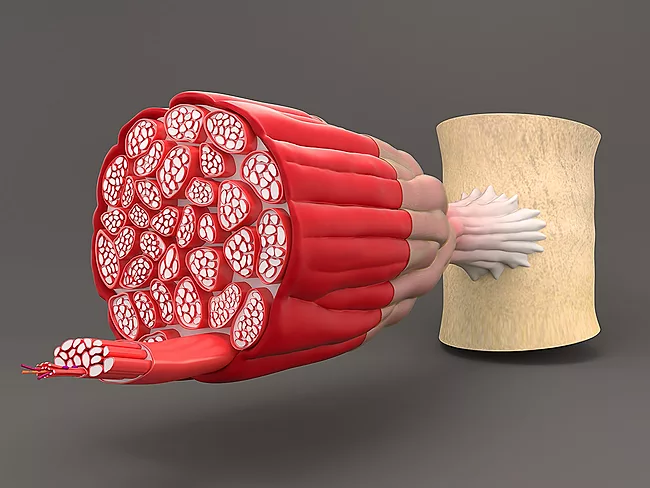
Sarcopenia is an age-related condition in which muscle mass and strength decrease, leading to reduced overall physical performance. As fast-twitch muscle fibers are more impacted by age-related decline, strategies aimed at enhancing the regeneration and functionality of these fibers are essential to prevent the progression of sarcopenia.
Researchers at Chengdu Brilliant Pharmaceutical Co. Ltd. and Scinnohub Pharmaceutical Co. Ltd. have disclosed 15-hydroxyprostaglandin dehydrogenase inhibitors reported to be useful for the treatment of diabetes, osteoporosis and more.
Amgen Inc. has reported new 5,6- and 6,6-fused bicyclic alcohols and ethers acting as 15-hydroxyprostaglandin dehydrogenase (15-PGDH) inhibitors. They are reported to be useful for the treatment of gastrointestinal disorders.
Humanwell Healthcare (Group) Co. Ltd. has prepared and tested 15-hydroxyprostaglandin dehydrogenase (15-PGDH) inhibitors reported to be useful for the treatment of fibrosis, tissue injury and inflammatory disorders.
Scinnohub Pharmaceutical Co. Ltd. has patented new 15-hydroxyprostaglandin dehydrogenase (15-PGDH) inhibitors reported to be useful for the treatment of autoimmune diseases, fibrosis, ulcerative colitis and more.
It has been previously demonstrated that therapeutic inhibition of the prostaglandin E2 (PGE2)-degrading enzyme, 15-prostaglandin dehydrogenase (15-PGDH), was able to improve muscle strength in aged mice. Researchers from Epirium Bio Inc. have now reported the discovery and preclinical characterization an orally bioavailable small molecule inhibitor of 15-PGDH – MF-300 – being developed for the treatment of neuromuscular dysfunction.
Ventyx Biosciences Inc. has identified 15-hydroxyprostaglandin dehydrogenase (15-PGDH) inhibitors reported to be useful for the treatment of ulcerative colitis and pulmonary fibrosis.
Research at Humanwell Healthcare (Group) Co. Ltd. has led to the development of heterocyclic 15-hydroxyprostaglandin dehydrogenase (15-PGDH) inhibitors reported to be useful for the treatment of acute lung injury, diabetes, fibrosis, graft-vs.-host disease, heart failure, inflammatory bowel disease, alopecia and osteoporosis, among others.