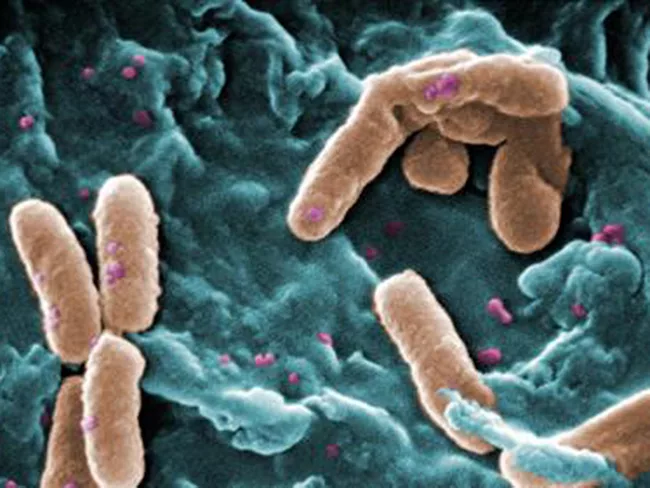
Conjugated oligoelectrolytes (COEs) have recently emerged as potential broad-spectrum antibiotics with promising selectivity that is irrespective of metabolic state, including dormant and biofilm-associated bacteria. Researchers from National University of Singapore, University of California Santa Barbara, and Walter Reed Army Institute of Research have sought to identify novel cationic antimicrobial COE candidates.
Researchers from Bristol Myers Squibb Co. recently discussed the discovery and preclinical characterization of a series of Toll-like receptor 7 (TLR7) agonists with potential as anticancer drug candidates.
Molecular glue degraders are compounds intended to prompt the degradation of E3 ubiquitin ligases by engaging and modifying their surface. Molecular glue-induced protein degradation is considered an emerging strategy in drug discovery.
Monoacylglycerol lipase (MAGL), a member of the serine hydrolase family expressed in the brain and peripheral tissue, is a key enzyme in the hydrolysis of monoglycerides, converting 2-arachidonoyl glycerol (2-AG) into arachidonic acid and glycerol. MAGL inhibition has been previously shown to induce anxiolytic and analgesic phenotypes in animal models. Researchers from Janssen Pharmaceutica NV recently reported the discovery of novel noncovalent MAGL inhibitors.
Synthesis and optimization of a series of 1H-pyrazolo[4,3d]pyrimidine molecules at Bristol Myers Squibb Co. led to the identification of compound [I] as the lead Toll-like receptor 7 (TLR7) agonist, with EC50 values of 21 and 94 nM for human and mouse TLR7, respectively.
Interleukin-17A (IL-17A) is a pro-inflammatory cytokine involved in the pathogenesis of inflammatory, immune-mediated diseases such as psoriasis, psoriatic arthritis and others.
Interleukin-1 receptor-associated kinase 4 (IRAK4) plays a critical role in innate immunity by acting both as a scaffolding protein and a protein kinase, and its overactivation correlates with several autoimmune disorders.